The 2026–2028 Workplan of the European Medicines Agency’s Quality Innovation Group (QIG) outlines a strategic roadmap that is set to shape the future of pharmaceutical manufacturing, quality control, and regulatory science across Europe. The plan confirms the growing importance of innovation-driven approaches in the production and oversight of medicines: particularly, as the sector accelerates its adoption of artificial intelligence, digital technologies, and next-generation manufacturing models.
In the short term, the QIG will focus on how best to support innovation in the manufacture and control of medicinal products. Key areas under consideration include pharmaceutical process models, the application of artificial intelligence in quality and production environments, and the broader digitalisation of manufacturing and regulatory workflows. Emerging technologies such as 3D printing, platform-based production systems, personalised medicines, continuous manufacturing, and decentralised manufacturing are also expected to play a central role in the group’s activities.
The importance of collaboration
A major objective of the Workplan is the continued strengthening of the EU regulatory network. In this context, the QIG will provide support across all quality and Good Manufacturing Practice (GMP) aspects related to advanced manufacturing technologies. Ensuring that innovative production methods can be implemented safely, consistently, and in compliance with EU standards remains a critical priority, particularly as automation and digital transformation reshape pharmaceutical supply chains.
The Workplan also highlights the importance of stakeholder engagement and international collaboration. This reflects the increasingly global nature of pharmaceutical innovation, where regulatory convergence and shared best practices are essential for enabling the responsible deployment of new manufacturing approaches across regions. Looking further ahead, the long-term strategic goals of the Quality Innovation Group prioritise transformative technologies such as 3D bioprinting, artificial intelligence, automation and robotics, as well as novel regulatory concepts aligned with evolving pharmaceutical legislation. Topics such as decentralised manufacturing models, platform technologies, bioinformatics, next-generation sequencing, and enhanced traceability systems for personalised medicines are expected to become increasingly relevant in the coming years.
From regulation to innovation
From a regulatory science perspective, planned actions will focus on strengthening research and quality innovation within the EU network, while improving the scientific and regulatory capacity, resilience, and overall capability of European authorities. The QIG will also support the implementation of the new pharmaceutical legislation, working in close collaboration with other EMA Committees and Working Parties. Overall, the EMA Quality Innovation Group Workplan for 2026–2028 positions innovation, digitalisation, and AI-driven manufacturing as central pillars of the European pharmaceutical landscape. Its priorities will have direct implications not only for pharmaceutical companies, but also for IT professionals, automation experts, and stakeholders involved in the digital transformation of life sciences manufacturing.
On 27 January 2026, the 16th EU-India Summit was held in New Delhi, marking a significant milestone with the signing of the new EU-India Free Trade Agreement (FTA). The agreement aims to strengthen strategic cooperation between the European Union and India, with a strong focus on innovation, research and advanced technologies. One of the key pillars of the EU-India FTA is the promotion of collaborative research in high-impact sectors such as biotechnology, artificial intelligence (AI), quantum technologies, clean technologies and advanced semiconductors. These areas are considered critical for long-term economic growth, technological sovereignty and global competitiveness on both sides.
The agreement places particular emphasis on healthcare and research ecosystems. As part of the new framework, EU-India Innovation Hubs will be established to facilitate structured dialogue, knowledge exchange and the development of joint research and innovation projects in emerging technologies. These hubs are expected to act as platforms connecting public institutions, industry stakeholders, research organisations and start-ups. In parallel, the European Union and India plan to launch an EU-India Startup Partnership, in cooperation with the European Innovation Council, Start-up India and EU Member States. The initiative aims to foster cross-border collaboration, support start-up scaling and encourage investment flows between the two innovation ecosystems. The potential association of India to Horizon Europe, the EU’s flagship research and innovation programme, is also under consideration, further reinforcing scientific cooperation.
Beyond innovation and research, the agreement outlines future collaboration in regulatory cooperation and health security capacity building. The EU and India have committed to working together to strengthen a resilient global health architecture, with a focus on core mandates, efficiency and the avoidance of duplication. This approach reflects shared priorities in preparedness, resilience and coordinated responses to global health challenges.
The year 2025 came to a close with the formal announcement that the European Commission and the Japanese government had successfully concluded negotiations on Japan’s association with Horizon Europe, the European Union’s flagship research and innovation framework programme. While the negotiations are now complete, the final agreement is expected to be officially signed in 2026, marking a new phase in EU–Japan scientific cooperation.
Once the association enters into force, Japanese researchers and research organisations will be able to participate in Horizon Europe on an equal footing with entities from EU Member States and other associated countries. This includes the possibility to lead and coordinate their own research and innovation projects, submit proposals directly to the programme, and apply for and receive EU funding. The agreement is also expected to facilitate closer and more structured collaboration between Japanese institutions and partners based in the EU and in other countries associated with Horizon Europe. To ensure continuity and avoid delays in participation, transitional arrangements have been put in place. These will allow Japanese entities to apply to Horizon Europe calls starting from 2026 onwards, with their status treated as that of “eligible entities” from an associated country, even before the formal signature of the agreement.
According to the European Commission, Japan’s association will be primarily focused on Pillar II of Horizon Europe. This pillar addresses major societal challenges through large-scale, multinational collaborative projects, covering strategic areas such as digital technologies, climate, energy, health, and industrial competitiveness. Japan’s entry into the programme aligns with a broader strategy to strengthen international cooperation in research and innovation with leading global partners. Japan thus joins a growing group of major scientific and technological powerhouses already associated with Horizon Europe, including South Korea, Switzerland, Egypt, Canada, the United Kingdom and New Zealand.
Artificial intelligence (AI) is increasingly reshaping the pharmaceutical industry, moving beyond experimental use cases to become a concrete component of regulatory decision-making and patient-facing processes. Its growing adoption is redefining how medicinal products are researched, developed, approved and monitored throughout their lifecycle. A recent report published by EFPIA explores in detail how robust AI governance frameworks can be effectively embedded both in medicinal product research and development (R&D) and in post-authorisation activities. The document highlights the need for a structured and harmonised approach to AI adoption, capable of balancing innovation with regulatory compliance and patient safety.
Central to the report is the concept of trust. EFPIA underlines that trust in AI systems can only be achieved through transparency, accountability and continuous dialogue between pharmaceutical companies and regulatory authorities. Rather than treating AI as a purely technical enabler, the report frames it as a socio-technical system whose impact extends to organisational processes, regulatory interactions and clinical outcomes. Across the case studies analysed, several recurring best practices emerge. Data quality and standardisation are identified as foundational elements: without consistent, well-governed datasets, AI models risk producing unreliable outputs that cannot be confidently used in regulated environments. Equally important is investment in training and change management, which plays a critical role in fostering acceptance of AI tools among both technical teams and regulatory stakeholders.
The report also stresses the importance of early AI integration and governance. Embedding governance mechanisms from the initial design phases helps align AI-driven innovation with regulatory expectations, reducing friction at later stages. In this context, model transparency and explainability are prioritised over raw predictive performance, reflecting regulators’ need to understand how and why an algorithm reaches a given conclusion. Finally, EFPIA points to the need for proactive monitoring and continuous risk assessment throughout the AI lifecycle. Even during pilot projects or exploratory phases, potential risks must be identified and managed early, ensuring that AI solutions remain compliant, robust and fit for purpose as they scale. This approach, the report concludes, is essential for enabling the sustainable and responsible use of AI across the pharmaceutical ecosystem.
The first bilateral meeting between the European Patent Office and Medicines for Europe, representing the generic and biosimilar industry, took place on 16 October 2025 and marked the beginning of a more structured and continuous dialogue between the two organisations. The encounter laid the groundwork for closer collaboration on issues that directly affect the accessibility, competitiveness and sustainability of the European pharmaceutical ecosystem
The discussions primarily focused on the EPO’s approach to patent quality, examination standards and transparency in its procedures. Medicines for Europe, for its part, outlined the industry’s concerns regarding divisional applications and presented concrete examples of how certain practices impact market entry and innovation dynamics. The organisation also shared broader industry perspectives on how the patent framework could better support timely access to affordable medicines.
In addition, the EPO introduced several forthcoming studies from its Observatory on Patents and Technology that are highly relevant to the healthcare sector. These include new analyses on access to medicines, the intersection of artificial intelligence and pharmaceuticals, and emerging patent trends in the field of neurodegenerative diseases. The session thus served as an opportunity to align expectations, identify priority areas for future cooperation, and reinforce a shared commitment to a more transparent and efficient patent system for Europe’s healthcare landscape.
COMPASS-AI is the name of the new European Commission initiative that aims to establish a community of experts to promote the safe and effective use of artificial intelligence (AI) in the healthcare sector. The initiative is one of those included in the European Apply AI strategy and aims to support, more specifically, the responsible and effective integration of artificial intelligence in clinical settings.
The objectives of the AI in healthcare initiative
Cancer care and healthcare in remote areas are the two priority areas for action under the new European initiative.
The aim is to launch, with the support of partners from large networks of hospitals, trade associations and EU project coordinators in the field of AI in healthcare, an interactive digital platform to map best practices and facilitate the exchange of knowledge. The network will provide guidance on the deployment of artificial intelligence and will work to improve the AI literacy of healthcare professionals, hospital managers and patients.
The Apply AI strategy sets out how to accelerate the use of artificial intelligence in key European industries and the public sector. Healthcare is at the forefront of this transformation and is one of the main areas where citizens will experience the benefits of trustworthy European AI, which will improve diagnoses, strengthen personalised prevention, support doctors and accelerate the discovery of new treatments.
Comments from Commissioner Olivér Várhelyi
According to Commissioner for Health and Animal Well-being Olivér Várhelyi, AI can transform healthcare and promote precision medicine by improving prevention, accelerating clinical trials, improving diagnostic accuracy, optimising decision-making during treatment and streamlining workflows. It can also enable more personalised care, improving health outcomes for Europeans. To fully realise these benefits, we must ensurewider deployment and integration of trusted AI solutions across all healthcare systems. Building on key European Commission priorities, such as the European Health Data Space, COMPASS-AI will promote health innovation and the adoption of AI in healthcare across Europe. To this end, the future legislative act on biotechnology, expected at the end of this year, which will focus primarily on the health sector, will be crucial.
Antibody-Drug Conjugates (ADCs) are a relatively new class of therapeutics, with the first promising clinical trial results dating back to the 1980s. Since then, ADCs have undergone robust and exponential growth. Recent market analyses forecast that the ADC market will reach USD 15 billion by 2025 and is projected to exceed USD 40 billion by 2030.
Key drivers behind this growth
The following factors are primarily responsible for the expansion of the ADC market:
rising global cancer incidence;
expansion in certain regions, supported by favorable national policies, especially in Asia-Pacific;
growing interest in dual-payload ADCs to overcome treatment resistance;
potential efficacy of ADCs in treating multiple cancer types;
Expanding applicability to other pathological conditions beyond oncology.
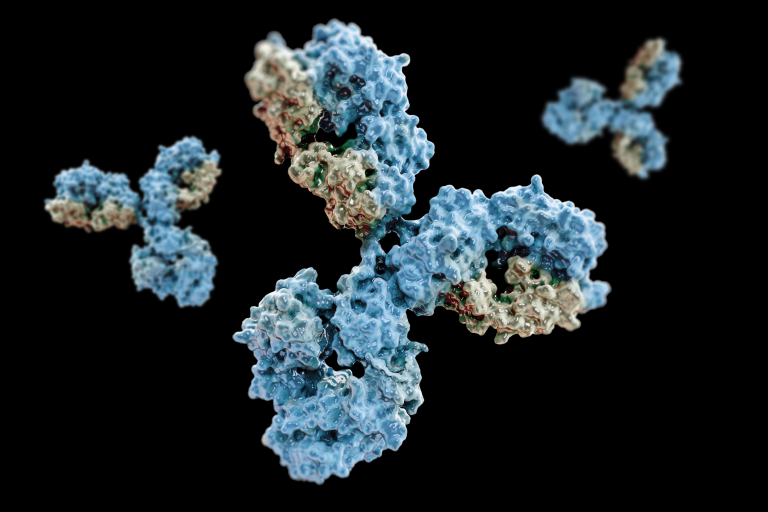
ADCs are engineered to selectively target and destroy cancer cells while sparing healthy tissue. This precision, however, comes with increasing potency and complexity, making their production a high-stakes endeavor in terms of containment and safety. Today, the applications of ADCs have expanded to include not only cancer treatment but also autoimmune disorders and infectious diseases. ADCs are continuously evolving and increasing their efficacy to eliminate the targeted cells – e.g. cancer cells – while preserving healthy tissue. This feature leads to its success and to its rapid growth, which in turn leads to greater higher production. The end result is an increase in containment complexity. Typically, ADCs consist of three elements – a monoclonal antibody, a linker (that could be cleavable which are almost 80% or non-cleavable) and a cytotoxic payload – where the antibody is conjugated to the cytotoxic payload via a linker.
Aseptic fill-finish line isolator
Innovations in cancer research have also led to the development of dual-payload ADCs. This new class is highly promising, as conjugating two payloads with different mechanisms of action (MOAs) can significantly enhance therapeutic efficacy and reduce relapse rates. However, the more complex the structure, the more intricate and challenging the manufacturing process becomes. The production of antibody drug conjugates involves many critical phases starting from cell culture (such as CHO cells for example) to produce the antibody. It then progresses thought the synthesis of the anti-cancer drug(s) and of the linker(s), followed by conjugation, purification, formulation, final filling, and packaging of the finished therapeutic dose. Each phase presents inherent different risks and requires specific containment strategies.
Production phases and related risks
Monoclonal antibodies (mAbs) are proteins synthesized in the laboratory to mimic the function of antibodies found in the human immune system. They are usually made by animal/mammalian cells (such as CHO, Chinese Hamster Ovary) which are cultivated under strictly controlled conditions. The next step involves the clarification of the solution and the antibody purification. This phase poses minimal health risks, as mAbs are not inherently toxic. However, depending on the production method, there may be potential exposure to biological agents (e.g., bacteria, viruses), so containment strategies must be evaluated on a case-by-case basis. cGMP cleanrooms and closed systems as well as BSCs or aseptic containment isolators are therefore necessary to preserve the sterility of this process and prevent contamination. While mAb production poses relatively low risk to operators, the same cannot be said for the synthesis of the cytotoxic payload. This is unquestionably the most hazardous phase in ADC production.
Payloads are often rated OEB 5 up to OEB 7, they can be lethal in infinitesimal quantities, and may pose a risk of DNA damage. Due to their extreme toxicity, this phase requires the use of aseptic high-containment isolators to simultaneously protect operators, the environment, and the cytotoxic compound from contamination. These isolators typically operate under positive or negative pressure. Those isolators are equipped with glove ports, HEPA filters, closed transfer systems, and integrated cleaning and decontamination systems. In contrast, linker toxicity depends on its chemical structure, and its synthesis poses safety risks because it implies the handling of active chemicals and solvents. Therefore, aseptic containment isolators are also used in this phase, with containment depending on OELs. Next, we move to the conjugation, purification, and quality testing phases, all of which share similar safety risks for operators due to the presence of cytotoxic payloads, while also requiring strict process sterility. For these reasons aseptic high-containment custom isolators (from OEB5 up to OEB 7) play a critical role in ensuring safe and sterile operations.
Custom isolator for synthesis filtration and drying
The final phase is formulation and fill-finish, where the ADC is prepared in its final buffer and filled into vials or syringes. Fill-finish operations are conducted in Grade A isolators, which provide a sterile environment and high containment. FPS Pharma custom fill-finish isolators can be easily integrated with automated filling lines and equipped with CIP and SIP systems to ensure the utmost safety and efficiency. As we’ve seen, ADC is a multi-phase process that demands strict aseptic conditions, high-potency API containment, and full compliance with regulatory guidelines to ensure both operator safety and product quality. Each phase presents distinct challenges and risks, requiring a comprehensive approach to risk management, along with the right containment strategies and safety protocols.
FPS Pharma is globally renowned as a trusted partner in the engineering and manufacturing of innovative, custom high-containment isolators used for handling and producing highly potent and sterile pharmaceutical ingredients, such as ADCs, a class of HPAPIs. Given that every ADC manufacturing process presents unique requirements, only custom aseptic containment isolators designed for toxic applications can ensure full regulatory compliance and meet all necessary safety and quality standards. FPS Pharma recognizes how critical Occupational Exposure Limits (OELs) are in the production of ADCs due to the unique and ultra-potent nature of these compounds. For this reason, FPS Pharma engineers Occupational Exposure Band (OEB) isolators, from OEB 4 up to the latest OEB 7, equipped with advanced safety and monitoring systems tailored to your specific process and OEL requirements, ensuring safe and compliant ADC operations.
CPHI Worldwide is an unmissable event for the entire pharmaceutical supply chain and represents a key highlight in the industry’s annual calendar. The Pharmaceutical and MedTech Divisions of IMA Group, together with their specialists, are pleased to guide you inside Pharma, introducing the All-In-One supplier specialized in designing and manufacturing innovative machines and complete lines for the packaging and processing of pharmaceutical, nutraceutical and medical products. With a strong focus on innovation, IMA also delivers projects dedicated to digitalisation, sustainability, and customer service solutions, supporting the entire pharma ecosystem towards greater efficiency and responsibility.
Following its world premiere at Achema 2024 and recent display at Interphex NY 2025, IMA Life will showcase (Hall H9.0, Booth 9.0C6) TILE-X, a revolutionary, fully gloveless solution for the filling and closing of small-batch Ready-To-Use (RTU) production. Developed in compliance with Annex 1 of the GMP guidelines, TILE-X is specifically designed for high-value products such as personalized medicines, cell & gene therapies, and ATMPs. This modular concept handles a wide variety of RTU containers – syringes, vials, and cartridges – using electromagnetic motion technology to ensure precise, frictionless operation in a 100% gloveless environment. Both the filling nozzle changeover and the replacement of single-use microbial impactors are fully automated, ensuring maximum sterility and operator safety. TILE-X recently received the Biotech Innovation Award at Interphex NY 2025.
The IMA Life lyo specialists and aseptic processing experts are available to illustrate the unique potential of our integrated lines and isolation technologies.
TILE-X
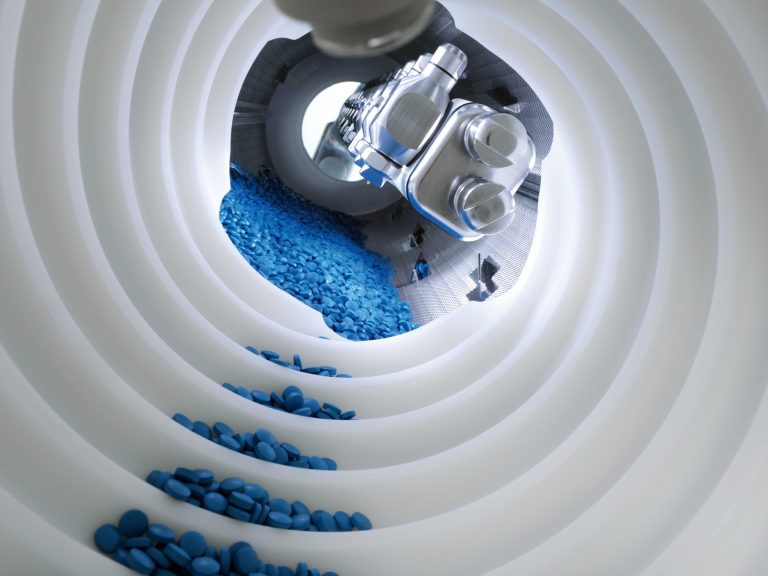
Continuous Manufacturing underpins the improvement of pharmaceutical products in terms of potency, effectiveness and safety by means of accurate process control. IMA Active has been cultivating their own knowledge and are ready to welcome the demand for innovation, working together with companies and stakeholders to design the future of pharmaceutical manufacturing and taking the lead in the future of pharmaceutical technologies for OSD (Oral Solid Dosage) forms. IMA Active’s belief in and knowledge of Continuous Manufacturing have grown stronger thanks to intensive R&D work carried out on two fronts.
A more disruptive front of IMA Active R&D consists in the partnership with CONTINUUS Pharmaceuticals, a spin out of Novartis MIT centre. While on the other R&D front IMA Active works on continuous processes by revisiting current technologies, embracing a concept of Continuous Manufacturing more closely related to conventional solid forms. IMA Active proposes Continuous Manufacturing lines for compression and coating of OSD forms as a single partner of integrated solutions based on flexibility and modularity.
At this year’s CPHI edition, a dedicated Continuous Manufacturing corner powered by CONTINUUS Pharmaceuticals will also be on display.
The X-PEN, powered by IMA MED-TECH and available on virtual display, is a versatile modular platform for the final assembly of pen injectors and autoinjectors. The X-PEN portfolio offers flexible solutions ranging from manual to fully automated systems, meeting the needs of diverse production environments with output speeds from 2 PPM to 160 PPM.
X-PEN
Designed for both pre-assembly and final assembly, X-PEN integrates automated quality controls, including force-distance measurements and vision inspection, ensuring optimal precision and product integrity. The platform is ideal for assembling devices used in the treatment of conditions like diabetes, obesity, and multiple sclerosis, among others.
The pharmaceutical industry is experiencing a period of unprecedented transformation, characterised by the adoption of advanced technologies and the automation of production processes. In this scenario, LAST Technology stands out globally in the design and production of process equipment for the pharmaceutical and biopharmaceutical sectors and for research laboratories. The company’s mission is clear: to develop cutting-edge solutions for infection prevention, actively contributing to the protection of public health. We talked about it with Massimo Castellarin, President and CEO of LAST Technology.
The development of LAST Technology is firmly linked to research and innovation. How so? Research and development are the pillars on which LAST Technology bases its growth strategy. The company actively collaborates with the main pharmaceutical and biopharmaceutical industries, developing customised solutions to meet the unmet and increasingly complex needs of the market. LAST Technology’s innovative approach translates into customised machinery, equipped with advanced automation and integrated technologies, capable of combining increasingly complex processes. One of the distinctive elements of the R&D strategy is the integration of commercial components and software that guarantees reliability, flexibility in the development of tailor-made solutions and remote control of equipment via centralised servers, tablets and smartphones. This approach allows optimising production processes and minimising intervention and maintenance times, increasing the overall reliability of the machines.
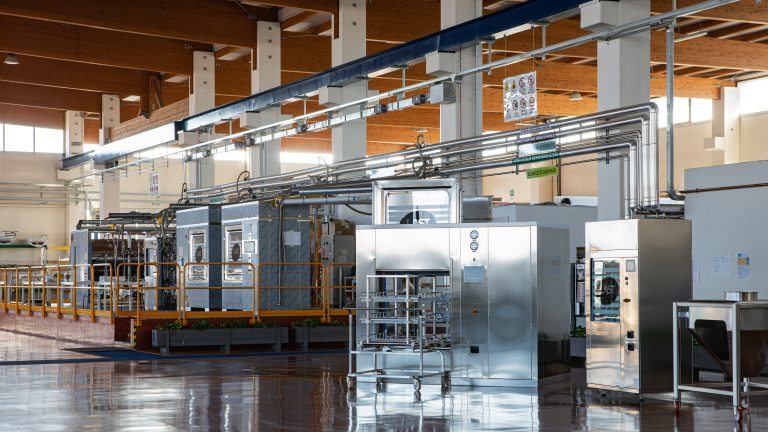
What are the latest innovations you offer? LAST Technology is constantly engaged in the development of new technological solutions to improve pharmaceutical production processes. Among the main innovations introduced by the company we can mention: the use of a ketone (acetone) to remove the most resistant dirt from pharmaceutical active ingredients; ‘combo’ solutions that integrate washing and sterilisation in a single process; combined sterilisation systems using superheated water and steam for solids and liquids; low temperature sterilisation with ethylene oxide or hydrogen peroxide for heat-sensitive components; ATEX hot air drying machines for potentially explosive solid products. LAST Technology is a reliable and competent partner in the evolution towards the ‘automatic factory’, an increasingly widespread model in the pharmaceutical industry. In this sense, the company has developed innovative software based on market technologies and widely recognised communication protocols. This allows the integration of all LAST Technology process machines within the company domain, ensuring greater efficiency and connectivity.
Innovation in the proposal, but also in the optimisation of internal production processes. LAST Technology has implemented an advanced computerised system to improve production efficiency and order management, making the management of the product life cycle more effective and optimised, from the Concept Design phase to C&Q. Thanks to the adoption of a PLM (Product Lifecycle Management) software platform, the company is able to interconnect all business functions, from product conception to marketing. The integration of PLM has reduced order management times by 20-30%, improving collaboration between the various departments. The use of mobile computer workstations in the assembly and testing areas allows internal staff and visiting customers to quickly access the technical documentation of the job order. This has significantly improved business efficiency, reducing time and enhancing the control of integrated processes in quality management. The project is part of the company’s computerisation strategy, supporting growth through the integration of Business Process Management, company know-how, data and documents.
Sustainability is an important value for you. What initiatives are you undertaking? LAST Technology’s commitment to sustainability is realised through a business model based on the creation of shared value. The company has aligned its strategy with the United Nations Sustainable Development Goals (SDGs), adopting practices aimed at reducing environmental impact and promoting corporate social responsibility. The main sustainability initiatives include reducing emissions by 50% by 2024 thanks to energy efficiency and the installation of a 515 kWh photovoltaic system; implementing carbon neutrality policies by 2030; promoting an inclusive and stimulating work environment, enhancing the talent and creativity of employees. Knowledge of stakeholder needs and market dynamics also guides us in developing collaborations beyond sector boundaries, integrating economic growth, social well-being and sustainability. In doing so, we not only pursue our corporate objectives, but also actively contribute to collective progress. LAST Technology, in line with its Sustainability Policy, today takes a further step in the process of building shared value by obtaining the Silver Medal rating from EcoVadis.
A global reference LAST Technology looks to the future with a clear strategy of innovation and internationalisation. The company aims to become a global leader in the sector, combining advanced technologies and process automation, according to the philosophy of ‘thinking globally and acting locally’. In this sense, Artificial Intelligence will play a key role in the company’s evolution.
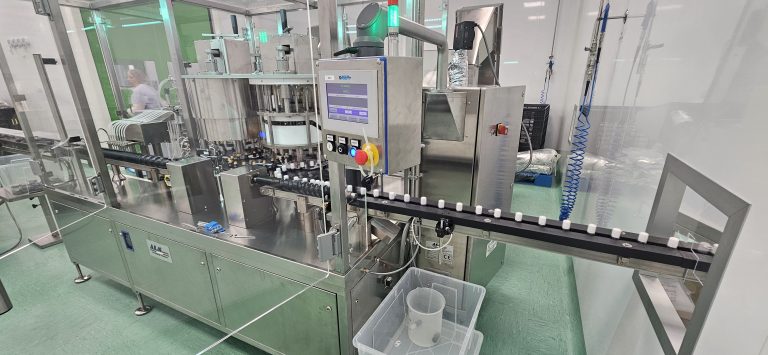
Alsystems’ journey began in San Casciano Val di Pesa (Florence – Italy) in 1991, when the company started to develop automation systems for various types of machinery as a pure third-party supplier. The Florentine company offered a wide range of solutions for many different industrial sectors, from filling and closing lines for the pharmaceutical and cosmetics industries to other sectors. «For over 25 years – CEO Goffredo Ruffini told us – our machines have handled a wide range of products: gels, creams, granules, powders for exams and diagnostics, infusion and ophthalmic liquids, syrups, nasal and oral sprays, homeopathic products and disinfectants. We offer filling and capping machines or complete turnkey systems specifically for the pharmaceutical, biomedical and parapharmaceutical sectors. We have about ten models that differ in terms of characteristics, operating speed and type of bottles and our strong point is that we carry out every phase internally, from design to testing, so as to guarantee our machines for 24 months. Customisation is a key word. Our strong point is the ability to design and build each machine around the real needs of the customer, right from the first contact. This approach allows us to provide solutions that perfectly match production needs and to establish an ongoing relationship with users, before the sale and throughout all the subsequent phases up to after-sales, which is an integral part of our way of working». Having an in-house technical department allows the company to follow every detail of the project, guaranteeing full control over quality. The company can therefore offer a 24-month warranty on all its machines. A clear sign of trust and reliability that for Alsystems is a natural choice, the result of in-depth knowledge of the components produced and how they work.
Hercules
The advantage of versatility
From the 90s to the present day, Alsystems has grown to a workforce of 20 and a production capacity that varies according to the type and size of the machines, on average 15-18 units every year. If customisation and quality are among the company’s outstanding prerogatives, versatility and reliability are what allow its models to stand out and «effectively cover a wide variety of sectors», Ruffini observed. «If I had to identify a star of the Alsystems portfolio, I would choose the Pegasus capping and filling machine. It’s aimed at the chemical-pharmaceutical and parapharmaceutical industries, but can be adapted to a wide range of applications and has been developed to handle bottles with capacities ranging from the smallest to volumes of one litre. In the single index version it can produce up to 3,000 pieces per hour; in the double index version it can produce up to 6,000 pieces per hour. Therefore it is suitable for different types of job, to meet a wide range of production requirements». The company also operates in the field of high-speed rotary presses for small formats with an output of up to 240 pieces per minute with the Hercules model. This is highly appreciated in the food supplement sector because it is equipped with sensors, volumetric dosing systems and, on request, cameras for quality control. It can handle bottles, test tubes, small bottles, with closures ranging from screw caps to droppers and pipettes, and competes well with the competition by focusing on technological quality. «With its multiple filling system – explained the CEO – Hercules has won acclaim in Italy and abroad».
Pegasus
The robot to come
Alsystems is also an export success, given that its machines can be found all over Europe, as well as in Mediterranean countries such as Egypt, Tunisia, Jordan and some Asian countries, thanks to a network of dedicated agents and representatives. At the same time, investments in R&D continue. «Currently – the interviewee said – the idea is to introduce a new generation of robots for movement management and machine enslavement. A series of targeted tests are underway with the aim of helping us understand how they can be used in practice. The fine tuning should be completed by the end of the year and from then on we will try to study the needs of customers to understand which ones might be interested in it. Innovation could find a place among the producers of parapharmaceuticals and pharmaceuticals that together represent more than half of Alsystems’ total turnover. Another significant slice of sales is in the chemical sector, where the Auriga series for large formats has proven its worth. Together with the products, the supplier is also very keen to offer services, which are also made possible thanks to the push towards digitalisation. «All our machines – explains Ruffini – can be connected to a network for remote assistance directly from our headquarters. For on-site maintenance technicians and end users, remote support is an advantage and we guarantee it by default at no additional cost. In addition, all machines can be equipped with specific modules for interconnection to ERPs to monitor batches and orders together with the progress of work for reporting purposes or to receive indications of work batches directly from the management system». Finally, a certain amount of attention is paid to reducing consumption. «We are conducting studies and analyses – concludes Ruffini – although further reducing energy requirements on engines that do not exceed 2 kW is not easy. Although Alsystems machines are by nature energy efficient, we always try to integrate them with engines with the highest possible performance».
Pegasus and Hercules
Pegasus is a versatile rotary machine for filling and capping. It can handle containers from 1 to 1,000 ml, with an hourly production of 500 to 6,000 pieces. It can handle containers with a maximum diameter of 82 mm and a maximum output of 100 pieces per minute. It has a stainless steel frame and is highly customisable from a technical point of view. The high-performance Hercules rotary machine, on the other hand, has a production speed of 240 pieces per minute with advanced volumetric dosing and quality control functions. It adapts to a wide variety of bottles and capping systems and is equipped with different types of sensors to ensure high-quality production in every area or phase of work.