
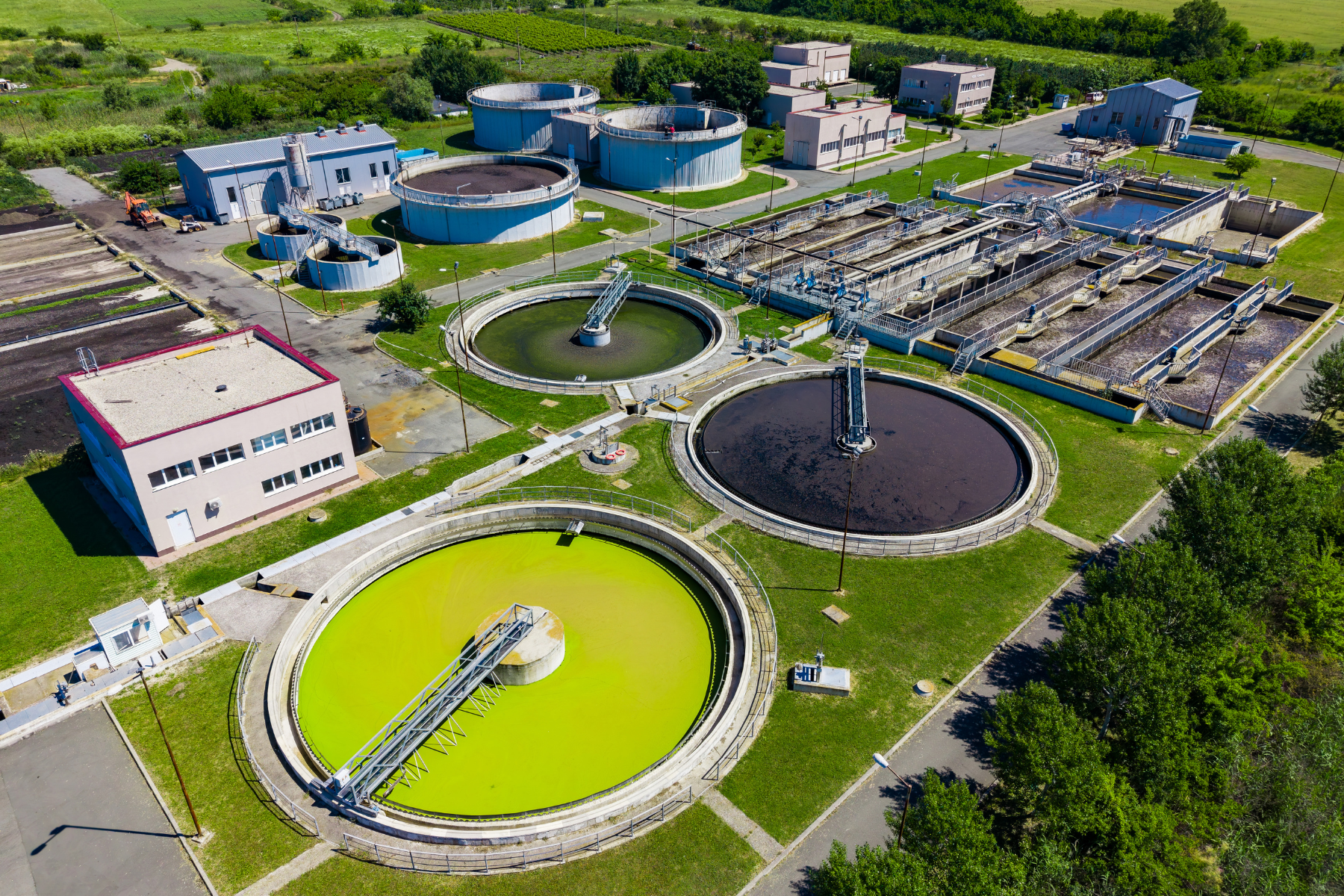
The European associations representing the pharmaceutical and consumer healthcare sectors have welcomed the opinion issued on 3 September by the Advocate General in Case C‑193/25 before the Court of Justice of the European Union. The organizations, including EFPIA, Medicines for Europe and AESGP, view the opinion as an important step in addressing concerns over the allocation of costs under the revised Urban Wastewater Treatment Directive (UWWTD).
The case stems from a challenge brought by Poland, which asked the Court to assess whether the directive’s Extended Producer Responsibility (EPR) provisions are consistent with the polluter-pays principle and the principle of equal treatment. Under the current rules, manufacturers of pharmaceuticals and cosmetics are required to finance at least 80% of the costs associated with quaternary wastewater treatment.
Concerns over the scientific basis
In his opinion, the Advocate General recommended that the Court annul Article 9(1)(a) and Annex III of the UWWTD, the provisions establishing the financing obligations for pharmaceutical and cosmetic companies. According to the opinion, the EU institutions did not sufficiently demonstrate that the allocation of responsibility was supported by a robust assessment of the available scientific evidence. Particular attention was given to the methodology used to calculate the toxic load attributed to different sectors, with the Advocate General identifying what were described as significant shortcomings in the underlying approach. Industry associations argue that these findings reinforce long-standing concerns regarding the evidence base used to justify the financial burden placed on the pharmaceutical and cosmetics industries.
Call for a temporary suspension
Following the publication of the opinion, the associations called on the European Commission to temporarily suspend implementation of the EPR scheme until the Court of Justice delivers its final ruling. According to the industry groups, pausing implementation would provide legal certainty while the judicial process is ongoing and would avoid potentially irreversible consequences should the Court ultimately decide to annul the contested provisions. The final judgment of the Court is now expected to determine the future of the EPR framework under the UWWTD and could have broader implications for how environmental responsibilities are allocated across industrial sectors within the European Union.


