
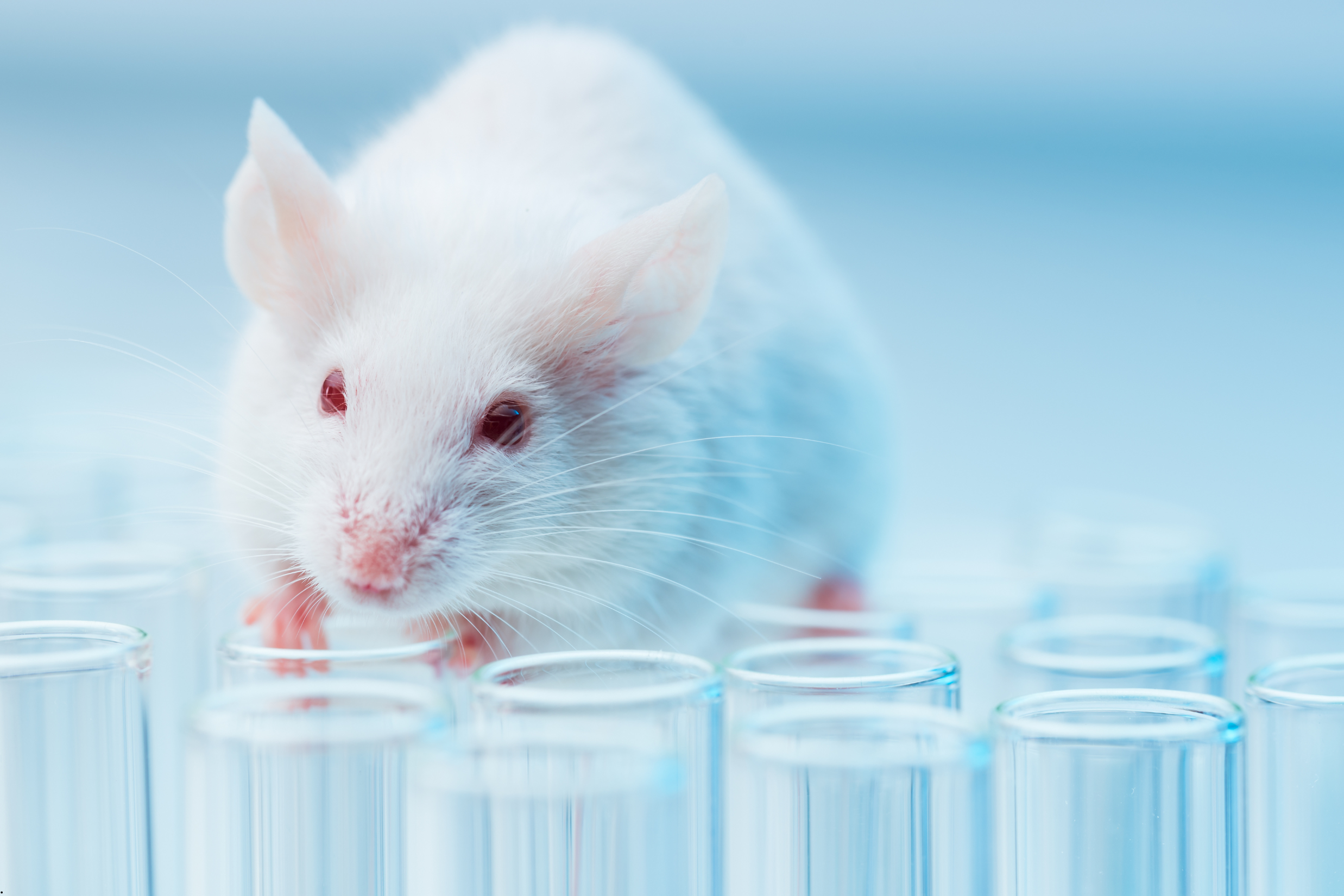
The International Coalition of Medicines Regulatory Authorities (ICMRA) has issued a joint statement urging stakeholders across the pharmaceutical value chain to accelerate the development, validation and regulatory implementation of alternative methods to animal testing wherever scientifically appropriate. The initiative, published on 1 October and endorsed by the European Medicines Agency (EMA), reflects a growing international consensus that advances in science can support a progressive reduction in the use of animals while maintaining high standards of product quality, safety and efficacy.
The statement is addressed to regulators, pharmaceutical developers and manufacturers, as well as national control laboratories. Its objective is to provide a shared regulatory perspective on the adoption of so-called New Approach Methodologies (NAMs) and to encourage their consistent implementation across global jurisdictions. The document was developed under the leadership of EMA, the UK’s Medicines and Healthcare products Regulatory Agency (MHRA), the Irish Health Products Regulatory Authority (HPRA) and Swissmedic.
A lifecycle-wide approach
According to ICMRA, scientific progress over recent years has created new opportunities to reduce reliance on animal testing throughout the entire medicine lifecycle. The coalition highlights the potential application of alternative approaches from early-stage candidate screening and preclinical development through to clinical studies, marketing authorisation and post-marketing activities.
The statement notes that international regulatory frameworks already provide a foundation for this transition. Existing International Council for Harmonisation (ICH) guidelines support the application of the 3Rs principles (Replacement, Reduction and Refinement) and outline key considerations for the development of non-animal methods. Further updates to existing guidelines, along with the creation of new ones, could help clarify regulatory expectations and facilitate broader adoption of innovative testing approaches.
ICMRA points out that many regulatory authorities already recognise that there is often no scientific justification for conducting animal studies for generic medicines and biosimilars. The same principle may apply when a drug’s pharmacological activity cannot be meaningfully reproduced in available animal species.
The coalition suggests that, where supported by robust scientific evidence, similar approaches could be extended to other medicinal products, including those that are pharmacologically active in animals.
A cautious transition
While advocating for greater use of alternative methods, regulators stress that the transition must be guided by scientific validity and regulatory acceptability. The statement emphasises that replacing animal studies requires a careful and evidence-based approach to ensure continued protection of patient safety.
According to ICMRA, the complete elimination of animal testing for areas such as general toxicity, reproductive toxicity, carcinogenicity, pharmacokinetics and pharmacodynamics remains a long-term objective rather than an immediate goal.
The coalition expects one of the most significant near-term impacts of alternative methods to come from their wider use in routine batch release testing. In this area, in vivo testing could increasingly be restricted to situations where strong scientific evidence supports its necessity and where no equivalent or superior alternative methods are available.
Supporting global implementation
ICMRA acknowledges that different countries and regulatory authorities are likely to move at different speeds in adopting non-animal methods. As a result, the organisation is calling on pharmaceutical companies, developers and manufacturers to actively support the transition and collaborate with regulators to accelerate implementation.
Possible incentives highlighted in the statement include dedicated priority meetings and fee waivers for scientific advice related to the qualification and regulatory acceptance of new methodologies.
The joint declaration represents another step in the global effort to modernise drug development and regulatory assessment, balancing scientific innovation, animal welfare considerations and the need to maintain confidence in the safety and quality of medicines.


