Home Authors Posts by Giuliana Miglierini

Giuliana Miglierini

208 POSTS 0 COMMENTS

The impact of Covid-19 on drug shortages

The Covid-19 perfect storm is expanding from China to the entire globe; Europe is greatly concerned as important countries involved in the global pharmaceutical supply chain (i.e. Italy, Germany and France) are heavily impacted. The WHO has just declared the status of pandemic while we are writing. “We expect to see the number of cases, the number of deaths, and the number of affected countries climb even higher,” said Director General Tedros Adhanom Ghebreyesus.

A communication released by EMA on March 10th confirmed the Agency and its partners closely monitoring the potential impact of the outbreak on pharmaceutical supply chains into the European Union. “No reports of current shortages or supply disruptions of medicines marketed in the EU due to this outbreak have been received at this point. As the public health emergency develops, shortages or disruptions cannot be excluded”, warned EMA. On March 24th the Agency communicated the first cases of shortage due to an increased demand for some medicines, both linked to their use to treat Covid-19 patients or because patients are requesting more than their usual supplies.

Criticalities for the Chinese key pharmaceutical hubs 

Only time will tell the exact effect of the new SARS-CoV-2 virus on healthcare systems and pharmaceutical supply chain, which are currently experience an enormous stress to face the increasing numbers of patients needing assistance. 

From the pharmaceutical industry perspective, the closing of Chinese suppliers of active ingredients (APIs) and key intermediates experienced in January as a consequence of the first outbreak of the epidemic in the Hubei province is starting to show its effects as a possible cause of drug shortages. According to a report from Global Data (see here more on Pharmaceutical Technology), the Hubei province only is seat of 42 CMO companies in the pharmaceutical field, mainly in APIs manufacturing. The city of Wuhan, the main epicentre of the Chinese epidemic, hosts many pharmaceutical companies, as do the provinces of Guangdong and Shangai, which have been also greatly impacted by the effects of the coronavirus. A survey on the possible impact of epidemic on APIs supplies was conducted by Kemiex at the beginning of the Chinese outbreak (see here more). 

The current situation in Europe

A letter from Medicines for Europe to the European Medicines Agency (EMA) and the EU Commission published at mid February was confirming the effort the manufacturers of generics and biosimilars are playing to monitor and inform the authorities of circumstances which could affect the supply of medicines. “An extended shut down of Chinese production or block on Chinese exports would certainly affect global pharmaceutical production and likely materially affect global production costs. In addition, Chinese manufacturers are large producers of ingredients for almost all medicines so a major production blockage could impact global production across most therapeutic areas”, wrote Medicines for Europe, highlighting also China’s near global monopoly situation for certain essential medicines such as pain killers or anti-infectives. According to the Association, there were no immediate risk of drug shortages, due to the availability of stocks maintained in Europe by pharmaceutical companies for their manufacturing networks. Additional stock would be also available with chemical traders, but there is a risk the supply might see an increase of prices due to the uncertainty of the global situation.

A second letter issued at mid March highlights the many problems resulting from block of borders across EU countries and asked for “a coordination mechanism to get those supplies to different EU countries on a national or a regional basis“. A critical point is the possibility to secure regular and predictable flights between the EU and 3rd countries and priority space allocation for essential goods like medicines. “We must understand that medicines supply in this crisis is not about static stock levels. The keys are to keep medicine production levels at maximum capacity and to move supplies to wherever they are needed“, writes Medicines for Europe. The association also created a dedicated page on its website where to find all information on the current Cover-19 emergency.

The request for a strong coordination action at the EU level was also confirmed by EFPIA, representing the innovator pharmaceutical industry. Challenges to be faced include the difficulty to organise shipments of medicines, vaccines and semi-finished products across Europe. “There are demand pressures on some treatments used to manage the symptoms of Covid-19, these pressures can be exacerbated by unilateral decisions by Member States. In addition, there can be supply challenges as a result of failure to manage ‘panic’ buying of prescription medicines at the pharmacy level“, also adds EFPIA in a note published on its website .

The EU Commission has launched the “coronavirus response team”, an initiative supervised by five different EU’s Commissioners aimed to coordinate all needed actions to fight the emergency; Stella Kyriakides is the responsible for the coordination of all health issues, including shortages of medicines. On 23 March, the EU Commission issued new practical advice on border management in order to keep freight moving across the EU. A green lane of border-crossing points on the trans-European transport network (TEN-T) should be created with the collaboration of each European country; these lanes should remain open to all freight vehicles, and  any checks and health screening should not take more than 15 minutes.

The many elements of the complex global situation

The Chinese epidemic is apparently lowering down while we are writing and the city of Wuhan is starting to be re-opened. The situation is rapidly evolving in Europe, where Italy (the main EU’s exporter of medicinal products) has become a locked  down country. It is still impossible to predict how and when Chinese manufacturers and exporters might resume a normal flux of supplies. According to Fierce Pharma, some sites in China (i.e. WuXi Biologics and the two Astra Zeneca’s ones) already resumed manufacturing at mid February.

Following the explosion of the outbreak in Italy, the local industrial associations of the pharmaceutical industry (Farmindustria), the generic and biosimilar manufacturers (Assogenerici) and the APIs suppliers (Aschimfarma) – together with all other players of the pharmaceutical supply chain, including associations representative of pharmacists (FOFI and Federfarma) – released a joint statement to reassure about their commitment to guarantee the manufacturing and distribution of medicines, avoiding blocks of the production.

EMA informed on March 10th that the Agency, the European Commission and national competent authorities in the Member States have organised the first meeting of the EU Executive Steering Group on shortages of medicines caused by major events to discuss measures aimed at addressing the impact of the outbreak of Covid-19 on the supply of medicines in the EU. Among others, EMA is reviewing all manufacturing information for centrally authorised human and veterinary medicines to identify those most at risk of shortages and disruptions and prioritise them for discussions about remedial actions with the MAH.

The international situation is further exacerbated from the decision taken at the beginning of March by the Indian government to limit the export of a dozen of active ingredients, including paracetamol, tinidazole, metronidazole, acyclovir, B1, B6 e B12 vitamins, progesterone, chloramphenicol, neomycin, erythromycin, clindamycin and ornidazole (see here the official act). India’s complete lockdown started on March 25th and it involves 1,3 billion people; its impact on the pharmaceutical supply chain may be dramatic, being the country the second main manufacturer of medicines worldwide. The first issues of shortages, both internal and for export, have been already reported (see The Economic Times). According to the Reuters, at the beginning of the Chinese epidemic the Indian government said there were enough stocks to manufacture formulations for two-to-three months.

India is dependent on APIs import from China for 70% of its productions, says the article; it is thus not difficult to understand the possible impact on the export of finished medicinal products to Western countries. “Irrespective of the ban, some of these molecules may face shortages for the next couple of months. If coronavirus is not contained, then in that case there could be acute shortages” Dinesh Dua, chairman of the Pharmaceuticals Export Promotion Council of India, told the Reuters. In another article, the news agency tells about a “panicking” reaction to this decision by the European pharmaceutical industry. “I am getting a huge number of calls from Europe because it is very sizeably dependent on Indian formulations and we control almost 26% of the European formulations in the generic space” declared Dua to the Reuters. “We are very alarmed that other countries would pursue other, more narrow strategies, which won’t solve the issue,” added Adrian van den Hoven, director general of Medicines for Europe, adding that the restrictions did not seem to affect large export volumes to Europe and stockpiles would last a few months.

At the beginning of March, the Indian government reassured there were no shortage of raw ingredients or medicines in the country for next three months, reported The Economic Times. “A task force has also been set up regarding APIs and I am leading it. We have decided to increase the production of APIs in the country so that we are not dependent on any country for them,”, said the Indian Minister of State for Chemicals and Fertilizer Mansukh Mandaviya. 

The possible impact for European countries is exemplified by the case of Germany described in an article on DW, reporting the Federal Institute for Drugs and Medical Devices (BfArM) currently lists a total of 277 drugs that are hard to get. 

The point from a regulatory perspective 

A highly flexible regulatory system able to rapidly accommodate emergency variation procedures and accelerated regulatory reviews for both active ingredients and finished products is the central message from Medicines for Europe to the European authorities in order to prevent the risk of disruptions in the supply chain. As said, EMA and national competent authorities are closely monitoring the situation; the dedicated page on EMA’s website is the reference point to look for all updates on the situation.

On the other side of the Atlantic, the FDA announced in February the activation of new active surveillance measures on APIs manufacturers in order to prevent shortages (particularly in China), without waiting for the notification from pharmaceutical companies. Among other measures, the FDA will utilise, where appropriate, its authority to request records from firms “in advance or in lieu of” drug surveillance inspections in China, and consequently prioritise early inspections on those deemed most needed, based on the records. On February 27th, the Agency informed about the first case of drug shortage linked to the coronavirus emergency; the note released on its website does not mentioned the exact medicinal product, and just refers to a “human drug that was recently added to the drug shortages list”. FDA’s Commissioner Stephen Hahn said there are “other alternatives that can be used by patients”, and that the Agency is working with the manufacturer as well as other manufacturers to mitigate the shortage (see also the note from the Association for Accessible Medicines). 

A main reason for the undisclosure of the API involved is represented by confidentiality of this type of information, according to an article by Kat Eschner published on Popular Science. We need the cooperation of the drug companies in order to obtain accurate information as we proactively take steps to mitigate drug shortages, and companies will be less willing to provide this voluntary information if they cannot trust FDA not to disclose commercial confidential information such as drug names, company names or exact location of facilities.”, said the FDA’s spokesperson, according to an article on Regulatory Focus. The central issue is linked to the fact manufacturers are not legally required to provide the detailed information on their supply chain in order for regulatory authorities to monitor the drug supply since the onset of the outbreak, adds the article. With this regard, adds Popular Science, a possible innovation of the relevant US legislation is under discussion, and the Mitigating Emergency Drug Shortages (MEDS) Act is pending before the Senate Committee on Health, Education, Labor and Pensions.

The companies producing the three possible candidates of the US’s shortage case, pindolol (Mylan), fludarabine phosphate for injection (Pfizer) and ceftazidime + avibactam (Allergan) told Regulatory Focus the reason for the shortage is not linked to the coronavirus emergency.

The economical risks of the crisis

The European association of generics and biosimilars manufacturers also highlights in its letter the possible risks coming from the impact on “the price of those ingredients with a knock-on effect on the cost of goods of pharmaceutical production globally”. A possible unsustainable market situation might arise for pharmaceutical companies due to the regulated pricing policy, often combined with price control policies, which is in place in many European countries in order to contain pharmaceutical expenditure. According to Medicines for Europe, potential risks include difficulties in meeting delivery deadlines in procurement contracts due to force majeure, the impossibility to legally sell products at a loss, possible hoarding phenomena put in place by distributors in order to comply with public service obligations, difficulties for hospitals and pharmacies to supply patients should the reference price become negative. 

The DW’s article points the attention on the relocation of many German productions to lower costs’ countries as one of the main factors contributing to the current difficulties. An additional one is linked to times required for shipment from China and India to Europe (up to four weeks by sea), resulting in evidence of shortages when the supply chain is interrupted for half a year or longer.

In the US, reports Fierce Pharma, the FDA determined there are 20 products impacted with criticalities as for the import of APIs or finished products from China; all of them are “considered non-critical drugs”, and they would not suffer any interruption in supply. Should the sanitary emergence continue, some “spot shortages” may emerge in the second or third quarter of 2020, says the article. According to the cited Bernstein’s analyst, prices of key starting intermediates have already start to increase, up 10% to 50%, “and generics producers are beginning to look to their clients to absorb those increases”. Antibiotics would be among the mainly affected active ingredients, due to the monopoly of China in their production.

Time to innovate the EU variation system

The time required by regulatory authorities to process variations to dossiers often represents a possible bottleneck to amend and update the documentation related to medical products. A report from Medicines for Europe, the association representing the generic and biosimilar industry, asks the European authorities for a revision of the current framework in order to include new digital technologies within the regulatory process, so to optimise its speed and efficiency. “The political objective for health is clear: Europe must have an adequate and sustainable supply of affordable medicines to meet public health needs. Our industry is a key partner to achieve these goals, currently supplying almost 70% of prescription medicines in Europe. Regulatory affairs can contribute significantly to these objectives by capitalising on digital technology and by making optimal use of the scientific resources of regulators and industry”, commented the president of  Medicines for Europe, Christoph Stoller.

Need to innovate the regulatory framework 

The proposed revision of the system governing regulatory variations should be pursued by the van der Leyen Commission, says the report, as one of the goals for its mandate. A possible tool to be used is represented by a targeted revision of the EC/1234/2008 regulationconcerning the examination of variations to the terms of marketing authorisations for medicinal products for human use and veterinary medicinal products”, that is in force since 2010.

The great increase in the number of variations submitted each year by a single marketing authorisation holder (MAH) is one of the reasons of the request made by Medicines for Europe. The Falsified Medicines directive and the Brexit are other elements assumed to contribute the +75% increase observed in the period 2010-2018. Many of these were classified as minor variations (type IA or notifications), a category representing just less than the total number of variations; according to the report, they should be looked at as mainly administrative ones, thus not needing for scientific assessment and without any added valued for patients. Another quite big contribution to the overall number of variations pending at EMA is represented by the requests for line extension for marketing authorisation originally obtained through the centralised procedure. 

The filing and management of minor variations by mean of digital tools would greatly improve the efficiency of the system, says the report, with up to 65% decrease of the workload for regulatory authorities. The corresponding resources may then be redirected towards other priority objectives. A particularly hot issue, also with respect to the current coronavirus epidemic and its impact on the pharmaceutical supply chain (see the dedicated article in this newsletter), is represented by the low appeal the possibility to register alternative API’s suppliers is playing for pharmaceutical companies, adds the report. 

Useful examples to inspire the transition

The innovation of the system governing regulatory variations, suggests Medicines for Europe, may follow the same process already used at the European level to create the SPOR database (Substance, Product, Organisation and Referential) and the PMS Target Operating Model (TOM), this last representing a model process able to ensure quality and consistency of data, and their exchange between the pharmaceutical industry and regulatory authorities. 

Work-sharing procedures would also need to be optimised, as they represent the operative process used to group variations and recommendations ex art. 5 of the EC/1234/2008 regulation. According to the industrial association, the introduction of grouping practices would have been a cause for the observed increase in the number of variations, and the generated benefits are considered to be limited due to higher costs and biases across different regulatory bodies on what can or cannot be grouped. 

Even if it should be possible to file type IA variations within 12 months, this possibility is still not fully implemented, says the report, due to issues with systems for document management and electronic filing of the required documentation. Furthermore, the overall picture is far more complex as companies need to  include in the dossier more information on the supply chain for active ingredients and file multiple variations in different European countries for products authorised using the decentralised or mutual recognition procedures. 

The proposals for improvement

The report from Medicines for Europe asks a periodic revision of the Annex to the Variations Classification Guideline, in order to keep it always updated to scientific progress. The Association suggests using EMA’s guidelines, not the one published by the European Commission, as this last one requires a longer and more complex process to be amended. Article 5 of the Variations Regulation establishes the procedure to ask the EU Commission for the classification of new variations not yet included in the Regulation; according to the report, some 50 recommendations would be already pending, waiting for final decision. 

A risk-based approach should become the “new normal” also with respect to filing and processing of variations, is the suggestion made by Medicines for Europe, as it is already widely diffuse to manage many other activities typical of the pharmaceutical life cycle. This is true also with respect to biological medicines having a well characterised use and herbal medicines. According to the report, the proposed approach would help to overcome classical type II variations, which refer to manufacturing processes, and specific exclusions that currently do not allow the filing of type IA variations. 

The report also asks for a new guideline specific for vaccines’ variations, which should be added as a new Annex to the already existing guideline. The model is represented by the corresponding WHO guideline, with the ultimate goal to better harmonise both requirements and processes at the international level. The revision of the Variations Classification Guideline should also include new requirements arising from the Medical Device Regulation. The report also discusses a wide set of practical examples, taking into consideration possible issues and how to solve them.

A new virus looking for effective treatments

Not only the Chinese Hubei’s province: while we are writing and after Italy being the first European country, almost all the EU and many other countries have been totally locked down to try avoid the spreading of the new SARS-CoV-2 coronavirus. No pharmaceutical treatment is currently available to fight the infection, which can cause a severe interstitial pneumonia representing the main cause of death for the disease. An outlook on SARS-CoV-2 virus’ characteristics and available therapeutical options can be found on the dedicated webpage of the Johns Hopkins Institute.

According to the European centre for disease prevention and control (ECDC), as of 26th March more than 467,700 cases have been reported worldwide and 204,900 in the EU/EEA, most of them in Italy (74,386), France (1,784), Spain (47,610) and Germany (36,508). There have been 69,000 case in the US up to now. Reported deaths are currently more than 20,900, mainly in Italy (7,505), Spain (3,434), China (3,293) and Iran (2,077).

The reaction of the pharmaceutical industry to activate the search for treatments and vaccines against the virus has been immediate, after the first round of the epidemic in China. “This outbreak is a test of solidarity – political, financial and scientific. We need to come together to fight a common enemy that does not respect borders, ensure that we have the resources necessary to bring this outbreak to an end and bring our best science to the forefront to find shared answers to shared problems. Research is an integral part of the outbreak response,said WHO Director-General Tedros Adhanom Ghebreyesus during the meeting organised by the WHO in February.

We resume the main research activities, with a focus on Europe.

A special IMI2 Call

The Special Call 21 of the Innovative Medicines initiative (IMI2) was launched on March 3rd and it will close at the end of the month. The call is entirely devoted to find new therapeutic and diagnostics interventions for the SARS-CoV-2 virus, with the exclusion of vaccines. The total available budget is € 45 million, plus the contributions made by single pharmaceutical companies’ members of EFPIA.

The scope of the Call is very broad, as it is not limited to the SARS-CoV-2 but it extends to the general coronavirus family, in order to face the current emergency and prepare for possible future outbreaks. Four different goals have been set for research, staring from the development of new antiviral compounds and other therapeutics useful to fight the current epidemics. Pharmaceutical companies can look in their already existing pipelines for relevant “clinical ready”-assets. Approved therapies or compounds in development can be repurposed to treat the coronavirus infection on the basis of a preliminary rationale of the compound’s potential efficacy.

The second action involves the development of new potential assets to be used also for future outbreaks, including preventive strategies and combination approaches. This line of research includes the investigation of potential resistance and the optimisation of promising treatments used in rapid response (e.g. reformulation).

New diagnostics specifically targeted to the identification of the virus should allow for the rapid evaluation of candidates based on existing technologies. These tests will also prove useful during clinical studies to be run under the two above mentioned actions, in order to stratify patients and assess treatment efficiency (for example, using surrogate endpoint such as viral clearance). 

The development of diagnostic tools based on completely new technologies is the focus of the fourth line of action. A particular attention is due to the differentiation of the coronavirus and other types of similar pathogens, for example through point-of-care (POC) testing or centralised testing.

EFPIA’s actions to contribute to the global effort 

EFPIA has supported the launch of the special IMI2 Call through a dedicated webinar for its members. The Federation has also remarked the fast track collaborative research on the new coronavirus, calling its member companies to identify any suitable assets in their libraries that could turn useful. Financial support and in-kind donations to organisations on the ground, and a strict collaboration with European, Chinese, and global health authorities has been also confirmed. Many of the associated companies contributed to fight the epidemic providing a variety of crucial supplies including advanced surgical equipment, antibiotics, disinfection equipment, batch virus testing devices, vitamins, protective clothing, goggles, masks, gloves and more.

EMA and the European Commission are ready

The European Medicines Agency (EMA) opened a dedicated page on its website to inform on different aspects of the current Covid-19 health emergency. The Agency has activated its plan for managing emerging health threats and is actively monitoring potential medicinal product and vaccines within companies’ pipelines, and also through an exchange of information with the European Commission, the Health Safety Committee, WHO and the ECDC. EMA is also participating to the International Coalition of Regulatory Authorities (ICMRA), where to discuss at the global level regulatory issues pertaining Covid-19.


EMA also announced in February the activation of supporting actions for companies involved in the search for new therapeutics and vaccines against the virus. A fast-track route to scientific advice has been specifically activated; EMA asks the company to contact the Agency for early discussion of strategies aimed to evidence-generation. The procedure can be activated by emailing the address 2019-ncov@ema.europa.eu. The PRIME scheme, accelerated assessment and conditional marketing authorisation procedures are all possible ways to reach rapid regulatory approval. 

The von der Leyen Commission announced at the beginning of March the creation of a “coronavirus response team”, in charged of the central coordination of all efforts against Covid-19 at the European level. The team is managed by five EU Commissioners: Janez Lenarčič (crisis management), Stella Kyriakides (health aspects), Ylva Johansson (borders), Adina Vălean (mobility) and Paolo Gentiloni (macroeconomical aspects). The Health Commissioners Mrs Kyriakides is responsible for all measures in the health sector, included prevention and procurement interventions put in place in collaboration with EMA and the ECDC. Three different mechanisms are used to coordinate with Member States, under the Cross-border Health Threat Decision: the Early Warning and Response System, the Health Security Committee, and the Health Security Committee’s Communicators’ network.

In the health sector, the Commission is called to provide technical guidance on risk assessments, case definition for diagnosis and aligned reporting of suspected and confirmed cases, infection prevention and control in health care settings, updated information on therapeutics and vaccines. A total funding of € 232 million has been decided, €114 million of which for the support to WHO’s global preparedness and response global plan. Some other €100 million will fund research related to diagnostics, therapeutics and prevention, including €90 million through the IMI Initiative. 

Other financial resources made available by the Commission in the healthcare sector include €10 million for research that will improve clinical care of patients infected with the virus and the overall public health response. Several ongoing research projects have also been reoriented, e.g. the e PREPARE project that ensures research preparedness of clinical treatment sites and the use of harmonised research protocols across Europe through a network of 3,000 hospitals and 900 laboratories in 42 countries. The European Virus Archive GLOBAL (EVAg) has already made available more than 1,000 kits that support the diagnosis of the novel coronavirus, to 79 countries worldwide.

Experimental drugs to fight the epidemics

EFPIA reported several examples of pharmaceutical companies providing health authorities with medicines to be used to fight the infection. The lopinavir/ritonavir combination, for example, has been provided by AbbVie, while J&J is collaborating with the US Biomedical Advanced Research and Development Authority (BARDA) to identify the pathophysiological mechanisms of the SARS-CoV-2 virus. 

The repurposing of several antivirals already available to treat infections by SARS and MERS viruses has been discussed in a paper published in Nature Reviews Drug Discovery; these viruses are structurally similar to the new coronavirus. Also The Lancet initially published an article on possible therapeutic interventions; all the main medical journals have opened dedicated pages to collect all incoming evidence on the new coronavirus and associated Covid-19 disease (see, for example, The Lancet, the NEJM and the BMJ)

Possible candidates include both already approved (i.e. favipiravir and ribavirin) or experimental drugs (i.e. remdesivir and galidesivir). Favipiravir (Toyama Chemical), for example, is approved to treat influenza and acts as an inhibitor of the virus’ RNA-polymerase, a mechanism potentially useful also against other types of viruses (Ebola, yellow fever, chikungunya, norovirus, enterovirus). The Chinese FDA authorised during the local epidemics Zhejiang Hisun Pharmaceutical company to produce the generic version of the drug, to be used in different clinical trials on Chinese patients. 

Another promising molecule is Gilead’s remdesivir, structurally similar to a medicine approved to treat HIV. A phase III clinical study should close at the end of April; the Chinese company BrightGene Bio-Medical Technology announced at the end of February the ability to produce great quantities of the product for Chinese patients. 

Many other approaches are under testing, including the use of the antimalarials chloroquine and hydrochloroquine (also plus azotromycin), some inhibitors of viral proteases (e.g disulfiram, lopinavir and ritonavir), and interferon to stimulate the immune response. Tocilizumab, a monoclonal antibody that targets the interleukin 6 receptor, is gaining a great popularity as it seems to show promising results. The debate is also ongoing on how to make these products, once approved, readily available to patients, avoiding issues experimented during other outbreaks such as the HIV (see more on Medicines Law & Policy).

Looking for new vaccines

The research for new preventive vaccines for the SARS-CoV-2 virus is a complementary action coordinated by the Coalition for Epidemic Preparedness Innovations (CEPI), under the auspices of Wellcome, Biomedical Advanced Research and Development Authority (BARDA), the Bill and Melinda Gates Foundation, Global Research Collaboration for Infectious Disease Preparedness (GloPID-R) and H2020 Call SC1-PHE-Coronavirus-2020.

More than thirty vaccines are under study at the gobble level. Moderna Therapeutics has been the first company to announce at the end of February the starting of a human phase I clinical trial to test a candidate vaccine, mRNA-1273. The trial is going to be run in collaboration with US’ National institute of allergy and infectious diseases (NIAID), with the financial support of CEPI. The vaccine is based on the prefusion spike protein of the SARS-CoV-2 virus, which is essential for the infection of the host cells and already used to develop vaccines against the SARS and MERS viruses.

Glaxo made available its platform technology for adjuvant vaccines to support the development of new products to prevent the infection. Sanofi is using the experience gained in the development of the SARS’ vaccine; the company is collaborating with BARDA to use its recombinant technologies – developed to produce the influenza vaccine – for the production of a DNA antigen matching some proteins expressed on the surface of the SARS-CoV-2 virus. 

Affordability and innovation for sustainable access to medicines

Innovation is often valued on the basis of the high pricing of innovative medicines, an important asset which is also used to create value for the company and remunerate investors. On the other hand, high prices may represent an issue that limits access to treatments. The concept of fair pricing has been deeply analysed in a series of articles published in the British Medical Journal (BMJ) and co-authored by experts from the World Health Organisation (WHO). 

A better transparency to calculate fair prices

The central message arising from the editorial and the five articles of the BMJ series is related to the need for an improved transparency in the mechanisms used to calculate the “fair” price of new medicines, as well as that of generics and biosimilars. According to the editorial – signed among others by WHO’s technical officer Allison Colbert, the assistant director general Mariângela Simão and the chief scientist Soumya Swaminathan -, “the free market simply does not work to effectively provide affordable access to medicines for all”. All stakeholders are called to improve collaboration in order to reach a definition of what is “fairness”, to be uniformly used in the daily practice. “There is no simple algorithm that will calculate a fair price for each medicine”, says the article: the right data should be always available to the right stakeholders in order to guarantee the sustainability of the process.

The competing interests of the companies developing and selling the new pharmaceutical products (the “vendors”) and of the healthcare systems called to provide access and use them to treat patients (the “buyers”) should be both considered to solve the critical challenge of how to reach a unique definition of “fair pricing”. If the final target of this exercise is quite clear (transparency in determining what is fair), much less is the road to achieve it. According to the authors, the still observed absence of reliable data on development costs makes opaque the entire process, as “without data it is difficult to accept the argument that the costs of development, even accounting for failed research, make high prices for new medicines inevitable”. 

Innovative research is often funded by public institutions, thus it would be important to provide better evidence about how R&D funds are used in order to avoid any duplication of the public effort to sustain innovation and to ensure that the civil society may truly benefit from its outcomes. A possible mechanism suggested by the authors would see a reduction of prices of medicines counterbalanced by higher sales volumes, an approach that “could benefit all stakeholders”. The experts from the WHO considers unacceptable the opposite, where the high risk typical of the pharmaceutical business is counterbalanced by a monopolistic approach to markets and the imposition of limitations through the high prices for pharmaceutical products. 

How to define a fair pricing

The issue of how to define the fair pricing for medicines has been further analysed in the article signed among others by Suerie Moon, research director of Geneva’s Graduate Institute of International and Development Studies.

Pharmaceutical companies are not the only players to be considered from the perspective of those “selling” the pharmaceutical product: the academia and other R&D institutions are also part of this group, together with innovative startups, formulators, distributors, etc. On the other side of the fence are the “buyers”, i.e. healthcare (HC) systems, insurances, donors, etc.. The fair pricing should provide coverage of R&D, production and distributions costs, administrative and regulatory ones (including pharmacovigilance), and ensure a fair profit to the first group of stakeholders, which invested efforts and resources in the identification and development of the new drug. From the buyers’ perspective, fair pricing should consider the current and future possibility to guarantee access to treatment, its value both for the single patient and the healthcare system, and a steady flux of supplies. 

According to the authors, the fair pricing should be defined as any value contained between these two extremes. Exceeding them, both in excess and in defect, would mean from the vendors perspective putting at risk future innovation and sustainable supplies, from the buyers’ perspective an inappropriate reduction of the possible benefits that may result for both patients and HC systems. It should be also considered that many companies are focusing on rare or orphan therapeutic needs, thus developing a “monopoly power” that strengthens their position. “These characteristics mean that government intervention is often needed to ensure a fair price”, say the authors.

The proposal is that fair pricing should not take into account the failure risks linked to the R&D process; these should be better reflected within the risk premium in a company’s cost of capital. Other voices that should not enter the calculation of fair pricing include public R&D funding, tax credits, the opportunity cost of capital and the high earnings granted to top managers. A better transparency of the R&D costs might be pursued by the “disclosure enforced by legislation, regulation, and judicial action or as a condition of receiving public research funds, tax benefits, regulatory approval, or listing in a formulary for reimbursement”. Better economies of scale may improve forecasts for costs of productions and distribution, for example allowing to achieve lower prices for big, advanced orders. Further reasoning is still needed, according to the authors, on how to calculate the fair profit and to evaluate the intrinsic R&D risk typical of the pharmaceutical business. 

From the buyers’ perspective, affordability should target the possibility to buy the needed quantity of a drug without experiencing undue financial constraint. The available resources also depend on psychological and cultural factors, including the impact of polypharmacy schemes typical of many chronic patients, and on the specific type of buyer (i.e. HC system or insurance). Strong evidences and monitoring capacity should be at the basis of all health technology assessment activities. The calculated minimum price might be overcome, for example, in the case of the availability of different manufacturers to avoid the risk of shortages. 

The fair pricing of generics and biosimilars

Generics and biosimilars are therapeutically equivalent and cheaper to reference pharmaceutical products that often experience difficulty in conquering market shares, despite they may prove important tools to contain healthcare expenditure. The concept of fair pricing for these categories of drugs has been examined in another article of the series.

Biosimilars, in particular, are quite complex products to be developed, thus resulting in prices higher than that of typical generics. Internal reference pricing models, grouping different medicines with the same active ingredient or safety/efficacy profile, price reductions calculated as a percentage of the originator price, INN-based prescription practices and generic substitution at the pharmacy are all examples of possible approaches that have been already tested, as well as a unique tender to generate economies of scale across multiple healthcare institutions. “No one policy strategy will lower prices, broaden equitable access, and lead to affordable spending for quality generics and biosimilars. Rather, multiple actions by different stakeholders in the system are needed”, write the authors.  

Universal access, a challenge for healthcare systems

Healthcare systems are facing the challenge of how to ensure the universal access to treatment, that has been considered in another article of the series. 

The social value of medicines compared to the potential positions of market abuse resulting from the unbalanced requests of pharmaceutical products is the core issue to be faced, taking into consideration also the differences between patients and other types of consumers. Authors also highlight the increase of costs for healthcare systems that resulted from the commercialisation of many new specialty drugs and medicines for rare diseases, these last ones being considered the “new blockbusters” even if targeted to limited sub-populations of patients. “In many cases, the prices of new specialty drugs are well above traditional value-for-money thresholds defined by opportunity costs in health systems, beyond which coverage is unlikely”, write the authors.

Price secrecy and confidential discounts – different in the different countries – are other mechanisms that may result in perturbations of the prices, namely giving rise to lower prices on those markets those public authorities possess the higher negotiating power. Furthermore, list prices “that far exceed conventional coverage thresholds are often taken as the starting point for negotiations, exacerbating the problem. Again, a better transparency may provide an improved access to many treatment options, counterbalancing the sustainability for HC systems with the investments in high social value innovation. 

New R&D models needed

The fourth article of the BMJ series discusses the need for governments and other funding bodies to better define research targets so to improve the development of new and alternative models for the pharma business based on the fair pricing as a pre-requirement to make funding available. The “delinkage” model, for example, does not consider the market exclusivity among the possible incentives for research, thus keeping separated R&D grants from the final pricing of the resulting pharmaceutical products. 

Three different mechanisms may support the concept of fair pricing, according to the authors: the “push” mechanism, which provides R&D grants in advance; the “pull” mechanism, rewarding accomplishments at various stages of the drug development process; the “pooling” mechanism, aiming to speed up the entire process by providing facilitated access to scientific knowledge. Their respective strengths and the availability of new sources for funding R&D, especially in less appealing areas (e.g. neglected diseases or antibiotic-resistance), should support the identification of the most appropriate development strategy, suggests the article. 

Access to vaccines in middle income countries

The last article of the series specifically addresses the issue of access to vaccines in middle income countries, for which the supplies are not supported by donations. 

The WHO launched in 2014 the “Market information for access to vaccines” (MI4A) database in order to provide these countries with better initial information to start negotiations with the pharmaceutical industry. In this case too, transparency is identified as the key element for an improved budget analysis on which to base procurement choices. New modalities to manage tenders and a clearer formulation of price policies by vendors would also help to improve the affordability of the process. 

The principles to develop ePI

In the digital health scenario typical of the new decade, the electronic product information (ePI) relative to a pharmaceutical product (including the Summary of Product Characteristics and the Product Information leaflet) is still far from being fully implemented and made available to both patients and healthcare professionals. A recent document jointly published by the European medicines Agency (EMA), the Heads of Medicines Agencies (HMA) of EU Member States and the European Commission (EC) addresses the key principles supporting a harmonised approach to develop and use ePI for human medicines across the European Union.

Many new opportunities

The wide availability of digital technologies allows nowadays a capillary and real-time dissemination of the information linked to a certain pharmaceutical product across different platforms, including those directly managed by regulatory bodies. This would prove useful, for example, to rapidly update and distribute ePI with the latest regulatory variations, i.e. should new indications be registered or new adverse effects be included in the informative materials for patients and healthcare professionals. Translations in all the different European languages would also be available without delay. 

Interoperability is one of the main barriers that still limit the diffusion of ePI, an issue which has now been addressed by the document of the European authorities. The pdf version of the product information – the current standard for this type of content – is available through the different platforms, and it is not interoperable with other digital elements typical of the new approach, such as the electronic health records or the e-prescritions. 

The key principles are the result of the work done at the European level, which also included a public consultation run in the first half of 2019 (see here more about the comments received by stakeholders).

The definition of ePI

The document exactly defines the electronic product information as an “authorised, statutory product information for medicines (i.e. SmPC, PL and labelling) in a semi-structured format created using the common EU electronic standard. ePI is adapted for electronic handling and allows dissemination via the world wide web, e-platforms and print”. The key principles outlined by the document are further used to develop its contents, that may include both structured elements (e.g. consistent, fixed headings and controlled vocabularies), and unstructured elements (e.g. free text and graphics). The principles can be used to develop ePI for all human medicines, irrespective of the type of procedure used to reach regulatory approval. 

ePI represents a complimentary element of the European regulatory framework for medicines, which is not altered in any way: the regulatory requirements to be fulfilled for the development of product information remain exactly the same as before. According to the guideline, its aim is only to provide a common technical basis to optimise all fluxes of information and make immediately available all updates on a certain product. The impact expected includes improved awareness in the decision process for both medical doctors and patients, and better compliance to therapies. ePI is also easily readable by automatic systems, thus supporting a better access to information for disabled people. 

A common electronic standard for ePI

The common standard for ePI described in the document includes technical features e.g. the mark-up language, controlled vocabularies and interoperability specifications agreed by EMA, HMA, NCAs, EC, and representatives of the pharmaceutical industry, patients and HCPs. This standard will form the core foundation of the ePI and will prevent the presence of different types of information on the European market. The regulatory process should also benefit in terms of speed to workup variations using data already present in the European databases (e.g. SPOR data). Another expected outcome from the regulatory point of view is the ability to implement changes in product information across all relevant PI annexes and products, thus eliminating many manually performed tasks and redundancies that represent potential sources of error.

The availability of ePI is a public-health priority, states the guideline, as it allows for the dissemination of unbiased, up-to-date, regulator-approved product information for all medicines in the EU. The three European institutions also highlight that ePI is not a promotional material, and cannot be used to provide promotional information. The electronic product information should be always freely available as open data. Further guidance and a roadmap have been announced in order to better describe the ePI implementation process. 

The MDCG’s guideline on the cybersecurity of medical devices

The cybersecurity of medical devices is a growing topic of interest, as new generation devices are often governed by softwares in order to fine tune their performances and to connect them to the wider digital network typical of new healthcare models. 

A new guideline addressing the cybersecurity aspects of medical devices and in vitro diagnostics was published in December 2019 by the Medical Devices Coordination Group (MDCG), the group of experts providing technical support and consultancy to the European Commission. The new guideline will complement and support the entry into force in May 2020 of the new Medical Device (MD) regulation EU/745/2017. The document addresses the essential IT safety requirements for all medical devices that incorporate electronic programmable systems and software, that are medical devices in themselves.

Many new opportunities from the interconnected devices

Integral systems for the administration of medicines or the remote monitoring of patho-physiological parameters have become quite common practices. A simple smart watch, for example, may have a great impact on the quality of life experienced by patients, who may not need to visit the hospital for controls, and for the sustainability of healthcare costs, thanks to the optimisation of the internal activities. With the  advent of the Internet of Things, doctors can interact with their patients from remote, and also physical therapy can be administered through videos. Diagnosis is also concerned, as artificial intelligence is increasingly used to analyse big amount of diagnostic data (e.g. X-ray images) and provide medical doctors with possibile suggestions. These are all examples where softwares play an important role in the proper functioning of apparels classified from the regulatory point of view as medical devices. 

The MDCG 2019-16 guideline discusses the essential requirements for IT safety which are part of Annex 1 to the MD and IDV regulations, and it aligns the European approach to the one described by the “IMDRF principles and practices for medical device cybersecurity” guideline published by the International Medical Device Regulators Forum. The public consultation on this last guideline closed on 2 December 2019.  

The risks for IT safety

The MDCG guideline is based on a risk analysis approach in which different categories of risks for the IT safety of the devices have been identified. These have been addressed both from a pre- and post-sales perspective, including also the protection from undesired accesses. 

The security of the IT infrastructure is the first level to be considered in the risk analysis, a prerequisite for the design and development of a new medical device. With this respect, it is important to ensure the protection against the possibility to alter the characteristics of the infrastructure in order to prevent any possible misuse of the device, different from the intended use. A key element to achieve this is the confidentiality of all information acquired through the device; according to the guideline, this parameter should be always considered vs how critical is the the state of the healthcare situation/condition and the significance of the information provided by the product functionality. Confidentiality is a must also when the device is turned off, together with data integrity and the availability of the respective processes, data, devices and connected systems. This approach is often identified by the use of the acronym CIA, “Confidentiality, integrity and availability”. 

Requirements in the Operation Security domain ask to provide safeguards against the possibility to alter procedures and fluxes of information, while in the Information Security domain the focus is on the protection against theft, cancellation or alteration of the data which are stored or transmitted by the cybernetic systems. 

The risk-benefit for the patient

The evaluation of the risk linked to the use of the device vs the benefits for the health of the patient should always represent the main reference point to assess the safety and efficacy requirements of a medical device. The risk analysis, says the MDCG, should consider the entire life cycle of the device and be based on the latest evidences on cybersecurity; the request is to demonstrate that the adopted approach is proportional to the risks identified for the device. 

From a IT perspective, possible safety risks include the possibility of data breaching, or loss of efficacy of the device. These risks should be always considered within the risk analysis. Should the safety level be to low, for example, accesses to the device might be insufficiently checked and controlled, and hacking of the device’s parameters might occur (e.g. in the case of a pace-maker). On the other hand, a too high safety level might impact on the health of the patient, for example should healthcare professionals not be able to access the pace-maker setup during an emergency. 

Non-conventional players (e.g. the big IT companies) must be also considered in the risk analysis, as they may play important roles in the transmission and availability of the information collected through the device. The guideline also addresses some requirements that are not mentioned in the Annex 1 to the MD regulation, but that are a consequence of the regulation itself or of other European pieces of legislation, i.e.the GDPR regulation on protection of personal data, the Cybersecurity Act or the NIS directive on security of network and information systems.

The key principles for risk prevention

The “layered defence-in-depth” and the “good security hygiene” are the two key principles identified by the MDCG guideline to evaluate expectations for the IT safety of the device with respect to its use environment. These may include both protection and performance characteristics and they should be clearly made available to users. 

The guideline also introduces the concept of “reasonably foreseeable misuse”, which is also part of the risk analysis as a consequence of the complexity of IT systems. This may imply an increased vulnerability, “which is deemed to be exploitable for a given implementation of software, might be discovered and exploited over time and as such should be regarded as an enabler for reasonably foreseeable misuse”. This type of risk should be always removed or minimised by manufacturers, even if it could be a difficult target to achieve. The misuse may also result from the specific situation, the specific software configuration and use environment, all element difficult to value in the design and development phases. An unsafe USB key might be used to transfer data, for example (a foreseeable misuse), or a CD might be used to visualise X-ray images (an intentional use). 

Furthermore, healthcare professionals should always make use of good cybersecurity practices in order to minimise the risk connect to how their own IT infrastructures are managed, something that may greatly vary across different hospitals and other institutions. 

Identify all responsibilities 

Even if the final responsibility for a certain medical device or in vitro diagnostics always pertains to its manufacturer, it is important to make clear the roles and responsibilities of all the other players that participate to the product life cycle. This may be done though the specific clauses included in contracts, which are used to clearly inform about the framework of shared responsibility, e.g. with respect to software updates different from the ones approved by the manufacturer and that might alter the functions or safety of the device. 

The integration in the Internet of Things network is another sensitive point to be considered, as “integration has the potential to improve information security because it will allow the implementation of additional technical protection measures that have to be based on the specific integration environment, e.g. authenticated communication nodes and authenticated users and roles, and encrypted data flow”. This is to say that the blockchain technology may also be used to improve the cybersecurity of the network. 

From this perspective, the company acting as the integrator is usually different from the manufacturer of the device or from its user. In any case, says the guideline, the final responsibility is of the manufacturer, that signed a service contract with the integrator. Hospitals and healthcare providers are responsible for the integration of the device within their own network, while the integrator is responsible for the system installation and configuration and for the integration with the pre-existing environment. Operators are responsible to use medical devices according to the manufacturers’ instructions; this include also the disconnection of the device from the Internet when not in use, and the need to run all the required updates of the software, as well as the training on IT safety for all personnel. Patients too are called to follow the instructions of the manufacturer; they should pay attention to the privacy aspects, the safety of the IT network used and to any suspected security event or message. All IT hardware used to connect to medical devices (i.e. PCs, tablets, smartphones, etc) should always comply with the more recent requirements released by manufacturers of the devices. 

Lithuania: The status of HTA in Lithuania

Health technology assessment (HTA) is a systematic and multidisciplinary process used to evaluate the social, economic, organisational and ethical issues of a health interventions or health technologies in order to inform policy decision makers.

The competent authority for HTA in Lithuania is the State Health Care Accreditation Agency (VASPVT), founded in 2011 and hierarchically structured under the Ministry of Health. Lithuania is also one of the European countries (with Estonia, Romania and Slovenia) where responsibilities for regulatory, HTA and pricing and/or reimbursement are spread on two or more national bodies (see here more). The regulatory authority of the country is the State Medicine Control Agency (VVKT).

According to the Commission’s survey, Lithuania is one of the 16 countries performing just a relative effectiveness assessment (REA) on health technologies, not a REA and economic evaluation or a full HTA assessment. HTA for pharmaceuticals is obligatory with reference to reimbursement and outpatient setting, not for pricing; the status of the review of information for HTA is public. 

The main goals of the initial EU-funded project granted to Lithuania included the creation of the HTA system and strategy, the supply of evidence reports, the creation of a database of health technologies in the field of medical devices and the training of employees with regard to HTA. A second European project was launched in 2015 and saw the collaboration of the Austrian Ludwig Boltzmann Institute for Health Technology Assessment (LBI-HTA) to create an HTA strategy for Lithuania able to sustain a systematic and a long-term approach and its integration into the health system (find here the final document).  

The National Strategy for HTA

The “National Strategy for HTA in Lithuania” is founded on the principles of the WHO’s “Health for All” framework and aims to generate solid and comprehensive evidences to support decision making relative to health technologies to be used at all levels in the Lithuanian healthcare system. A further goal is the integration of HTA in the routine decision making process used for planning and operational policy within the system.

The Lithuanian HTA strategy addresses the needs of a health system which is still highly centralised, and governed by the Ministry of Health (MoH); the contribution of EU structural funds is very important for its proper functioning, as it accounts for 60% of capital investment in the health sector. These funds are also governed by the MoH. “It is a challenge not to Lithuania alone to change the decision making culture towards evidence-based decisions. Running a healthcare system under economic pressure without rationalised decisions is impossible and HTA provides good (rational) arguments for or against investments in health care”, states the Strategy.

The entry into force on 1st January 2020 of the new Law on Pharmacy completely redesigned the Lithuanian framework for decision-making on pharmaceutical products and medical devices. Among other provisions, the Law asks the State Medicine Control Agency (the national regulatory body) to run all evaluations on the clinical and pharmacoeconomical value of submitted drugs applications, those final results have then to be transmitted to the EU Commission which is responsible for the final reimbursement decision. A transition period was also implemented starting from 13th July 2019, during which the applications are assessed according to the old therapeutical value evaluation system, with additional pharmacoeconomical evaluation.

New modalities for the access to medicines 

The new layout of the Lithuanian healthcare system also impacts on the future modalities to access medicines, particularly innovative therapies. The theme has been discussed on the EFPIA blog by Šarunas Narbutas, president of the Lithuanian Cancer Patient Coalition and adviser to the President of Lithuania on legal affairs.

The new framework has been developed on the basis of examples already active in other European countries, and adapted to the specific needs of Lithuania. A conference was also organised in collaboration with EFPIA, the MoH, European experts and patient associations to favour the debate among the interested stakeholders. 

The new Lithuanian model will greatly focus on Managed Entry Agreements to favour access to therapies; this sort of contracts between the pharmaceutical industry and the government often implies the possibility of discounts and/or delayed payments, the provision of diagnostic tests, and support for medical education. The collection of real-world data on patient outcomes and their incorporation into the reimbursement decisions is one of the main characteristics of the new model of HTA.”Pricing data is confidential but other elements of these agreements can be shared. We are pleased to see growing cooperation between HTA agencies in Lithuania, Sweden, Scotland and Poland on how real-world evidence can influence reimbursement”, wrote Mr Narbutas on the EFPIA blog. According to the expert, conditional reimbursement and disease registries for monitoring real-world patient outcomes may represent useful tools to support the new approach.

Mr Narbutas, who is himself a cancer patient, also foresees a more proactive role for patient associations, especially in the communication of the burden of disease and unmet need. His proposal sees a strict collaboration with the HTA body, with patient groups submitting their own evidence. e.g. resulting from surveys on the quality of life or side effects.

The evolution of the health system in Lithuania

The history and future targets of the Lithuanian health system have been addressed by an OECD report published in 2018. An article published in 2009 in the International Journal of Technology Assessment in Health Care also summarises the roadmap that lead to the development of the HTA system in the country.

After leaving behind the centralised model in place during the 1990s, according to OECD Lithuania is now investing 6.5% GDP in health spending, something less than other comparable European countries. Out-of-pocket expenditure represents roughly a third of the country’s total one, and is mainly directed to ambulatory drugs. Primary care is well established but still need to provide higher quality services and a better efficiency; waiting lists are present just for some specialised services. Patients have to register with a gatekeeping Primary Home Care (PHC) providers, these being incentivised to provide preventive services in order to decrease the rate of hospitalisation for certain conditions. Hospitals are still too “centric” within the Lithuania health system, says the OECD report, with many facilities performing few surgeries and deliveries (that might imply an increased risk for patients). This sort of issue has been addressed in recent contracts, together with the provision of standardised pathways to treat stroke and some myocardial infarctions. But a better planning and a reduced influence from local governments in decision making would still be needed, according to the OECD, to optimise the system. 

Despite the good health coverage granted to the population by the health insurance fund, a main issue is still represented by low health outcomes compared to other countries. According to the OECD, life expectancy at birth is nearly six years below the average, and characterised by a larger gender gap than in any OECD country. On the other side, deaths are mainly due to chronic conditions (e.g. cardiovascular diseases), and suicide is also more than double the OECD average. The international body also suggests to invest in public health to ameliorate the life style of Lithuanians; high-impact interventions should be prioritised in order to optimise outcomes, focusing on care coordination and mental health at the PHC level, on the development of a quality assurance culture to better measure results and keep the stakeholder accountable, and on the scaling up of the system’s capacity to better evaluate the impact of policies.

Norway: Initiative to lower drug prices in nine European Countries

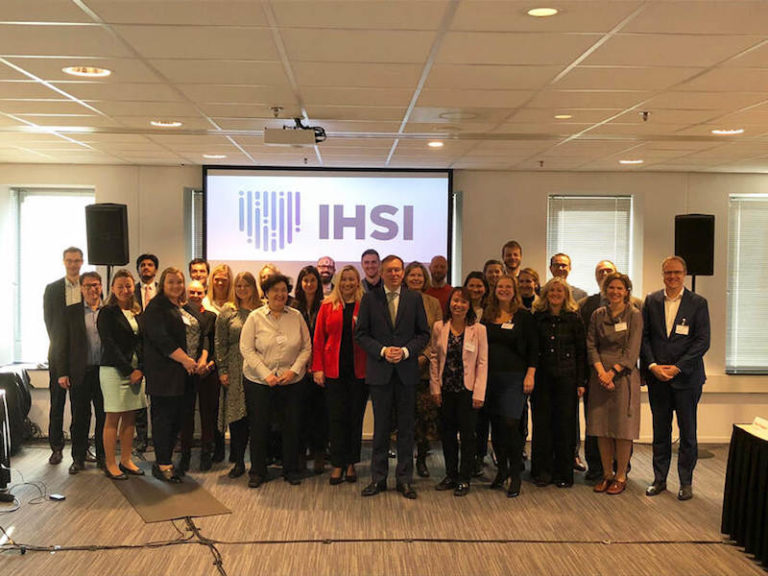
The new International Horizon Scanning Initiative (IHSI) was launched at the end of October 2019 by nine different European countries in order to develop a new database of medicines and finally reduce drug prices. The first horizon scan results are expected by the end of 2020. 

The countries involved in the partnership

The Netherlands, Belgium, Ireland, Denmark, Luxembourg, Norway, Portugal, Sweden and Switzerland represent just the initial nucleus of the project, that remains open to the adhesion of any further interested country (for information the e-mail address is info@beneluxa.org).

The initial idea originated from a collaboration between Dutch Health Minister Mr Bruins and his fellow ministers De Block (Belgium) and Harris (Ireland), and was developed within the context of the Beneluxa Initiative on Pharmaceutical Policy (those founding member countries are Belgium, the Netherlands, Luxembourg and Austria) with the main goal to map and share information about new and important medicines, and at a later instance also about new medical devices. 

The Initiative is managed by an Executive Committee, including a representative from each adhering country; the Board of Directors is chaired by Jim Terwiel from the Dutch National Healthcare Institute. A Secretariat leaded by General Manager Marcus Guardian (The Dutch National Healthcare Institute) provides organisational support.

International cooperation is extremely important if countries want to be well prepared for the arrival of new, promising but unfortunately often expensive medicines. Every country wants affordable and accessible medicines for patients. This new collaboration shows that this issue unites countries to take action. Collaboration starts with sharing information in order to prepare for future developments. This for example could inform national and international price negotiations. I see this as an important step towards broader international collaboration in the field of pharmaceuticals. That is why I am looking forward to welcoming colleagues who are not yet members in the near future“, said minister Bruins during the kick-off meeting of the initiative.

There have been too many examples of drug shortages happening and we firmly expect that purchasing [pharmaceuticals] in larger quantities with our neighbouring countries could reduce drug shortages and thus increase patient safety and that’s of course the most important thing,” stated the CEO of Icelandic Health Insurance (IHI), María Heimisdóttir, as reported by the Iceland Review in April 2019, when the the initial partnership with Danish and Norwegian authorities was signed.

Improved data to inform decision-making

Price costs represent a major burden limiting the access to new medicines, and governments and regulatory authorities are called to challenging negotiations with the industry. The IHSI initiative aims to make available a wider set of information on emerging and new pharmaceuticals to be used for reimbursement decisions and policy development on issues relevant for the managed entry and monitoring of new products.

The collected information should support the public parties to better define the level and prioritisation of activities according to the potential impact of the new medicines on public health. The early dialogue between relevant stakeholders is another target of the project, as well as an improved collaboration across different European countries. 

Payers, assessment bodies and national horizon scanning bodies are identified as the end-users of the information collected in the IHSI database, that should be built on the basis of a filtering procedure taking into consideration phase 2-3 originator pharmaceuticals, first to market only biosimilars and generics and  new products characterised by a special status (i.e.orphan medicines or ATMPs) (see here more).

Several variables shall be considered to build the database, including relevant clinical data, those on clinical studies and comparator products, data allowing for the checking of the proposed development timeline, the diffusion of the disease and the proposed costs and reimbursement, the relevant guidelines and treatments already in place, as well as product specific data (e.g. company, compound, INN, ATC, etc.). 

The so filtered list is expected to give rise to high impact reports, an archive of registered pharmaceuticals and a list of withdrawn or failed pharmaceuticals. The goal is to gain a clearer picture of what is going to be produced by industries’ pipelines in the short and medium term. High impacts report should be make available to the general public twice a year. 

The ability to reduce healthcare costs is not the only parameter that the IHSI will use to assess the expected impact of new products: consequences for the organisation of healthcare services, the degree of innovation, the benefits for patients and the incidence/prevalence of the disease will be also considered in the analysis. The intention is to make public all the used data, which shall result from a mix of different sources, including clinical registries, regulatory authorities (e.g.EMA and FDA), scientific reports and journals, input from clinical experts. IHSI members may also decide for the role of potential input from industry.

New technologies to boost healthcare

As usual, the new year is a good time for summarising trends in technology development and their possible impact on healthcare.“We are amidst the 4th Industrial Revolution, and technology is evolving faster than ever. Companies and individuals that don’t keep up with some of the major tech trends run the risk of being left behind”, writes Bernard Marr on Forbes.

The change of paradigm is in the air, as demonstrated for example by the radical vision to inspire R&D indicated by the European Innovation Council (EIC) as one of the three Future & Emerging Technologies (FET) gatekeepers to prepare the Pilot EIC Pathfinder calls planned for 2019 and 2020. The other two are the identification of ambitious science-to-technology breakthrough technological targets (to confirm this vision with a first proof of concept) and an ambitious interdisciplinary research that opens up new areas of investigation (see here more details).

We resume some of the more interesting recent advancements in different healthcare fields.

The era of digital technologies

Digital technologies are at the forefront of new models of health, and many innovations are close to reach commercial applications. The era of quantum computing may also be closer, according to The Medical Futurist, after Google’s AI Quantum announcement to have reached the “quantum supremacy”, with demonstration that a programmable quantum computer can outperform the current most powerful conventional processors (see here more details). 

The enormous speed of quantum computing might support improved modalities to run research, for example, impacting on the modelling and design capabilities needed to develop a new drug substance or to greatly lower the time and costs for DNA sequencing. But still many years might be necessary, according to the editorial published in Nature, to reach effective applications of this technology.

Much closer is the advent of artificial intelligence (AI), that may allow for a $100 billion in annual savings for medicine and pharma, said Bernard Marr on Forbes. 

AI’s algorithms are able to deep learn from data stored in databases, and they shall increasingly support medical doctors in making the correct diagnosis or in the choice of the most appropriate therapy. And extended reality (XR) – including virtual, augmented and mixed reality – may better assist the training of doctors, for example studying anatomy in a more realistic way, or exposing them to “on-field” surgery or rare disease management. 

In the industrial sector, AI is yet a quite mature technology to support customer and to streamline the business operations, according to Bernard Marr. The number of providers of more tailored “as-a-service” platforms is expected to increase this year. 

How to improve clinical activities

Gene editing technologies used to manipulate DNA and cells are expected to support the development of an increasing number of new therapeutic interventions, mainly in oncology, autoimmune and rare diseases. 

Voice recognition and dictation may help to reach a more efficient use of electronic health records, according to The Medical Futurist, to leave more time to doctors for the face-to-face relationship with their patients. And these last ones may benefit of chatbots installed on smart devices to help them following the correct lifestyle and the assumption of therapies, on the basis of individuals habits. Sleep tracking, heart rate and activity collected via wearables may also assist the AI-mediated symptoms interpretation without the need to visit a doctor (see also here).

This sort of transition would fully support the advent of the “4P” medicine: predictive, preventive, personalised and participatory, and it may result in the availability of a “digital twin” replicating the health conditions of each individual. 

And the advent of super-fast 5G mobile networks shall fully implement the Internet of Things, thus allowing to extensively interconnect the medical devices used at home by patients with the central resources (EHRs, databases and expert medical advice) which may profoundly remodel the healthcare systems and the way cures are administered. Concerns about the safety of the 5G technology are still limiting  in many countries the shift towards this direction. Even blood or urine tests might be run at home without need to visit the lab, adds The Medical Futurist, just sending a sample of bodily fluids to one of the companies that, in the US, offer this sort of service. 

The Walmartisation of healthcare is an emerging trend for Time: the retailer company has already opened in the US its first Health Center, “a medical mall where customers can get primary care, vision tests, dental exams and root canals; lab work, X-rays and EKGs; counseling; even fitness and diet classes”. Low prices to attract consumers are the key ingredient of this approach that, according to the article, if successful it might have a great impact to lower prices of more traditional health services.

How to boost many activities

Drones may be used to transport biological samples and medical supplies, suggests Time, and many experimentation are already ongoing in US and Switzerland. The work organisation may benefit of the creation of remote teams to overcome the difficulty to attract new talents, suggests Maren Thomas Bannon on Forbes.

Infrastructure platforms may help companies in building a better relationship with their customers, for example to make payments more user-friendly or to facilitate startups to enter the fintech environment to look for investors. Digital activities may benefit of the blockchain technologies able to track each single passage along a complex chain of different activities, not only in the fintech area but also, for example, to manage a pharmaceutical supply chain or to keep track of medical and health information (see here more details).

Pharmaceutical development and manufacturing may greatly benefit from 3D printing, a quite mature technology which is not limited to the obtainment of surgical instruments or medical devices; its great potential may see the bio-printing of tissues or organ for transplants, suggests Bernard Marr. 

Clinical development may also explore new models, such as the one of the Parker Institute for Cancer Immunotherapy, a network of US top institutions. As explained by Time, each of the members of the network “agreed to accept an approval decision by any of their respective Institutional Review Boards” in order to greatly reduce the time and costs needed to activate major clinical trials.  

Less rich countries may benefit of new diagnostic opportunities, adds Time, for example using a miniaturised ultrasound imaging device which costs just 2,000 $ and can be easily connected to an app on the smartphone. 

Robots to enhance many capabilities

Surgical robots such as Da Vinci are already supporting doctors in their activities. According to Bernard Marr, the new year may also see the advent of micro-bot able to target a specific part of the body in order to reduce the adverse effects of a certain therapy.

Exoskeletons may soon restore the ability to move for tetraplegics, or support surgeons to reduce their fatigue; this last type of application would have been already tested in Russia, says The Medical Futurist. But the high costs of such devices may result in a barrier to access for many people, together with the need to reduce their weight and dimensions.

Newsstand

  • Supplement to n.5 - October 2025 NCF International n.2 - 2025
  • NCF International n.1 - 2025
  • Supplemento to n.9 - October 2024 NCF International n.3 - 2024