The very strict timing to reach compliance to the new requirements established by regulation(EU) 2017/745 (MDR), with the transition period ending 26 May 2024, poses many challenges to manufacturers of medical devices called to obtain a new certification for their products. The concrete risk is that many devices may be discontinued, thus leaving patients and healthcare professionals without the tools needed to treat many health conditions. To answer this urgent issue, the European Commission published on 6 January 2023 a proposal amending article 120(3) of the MDR regulation, so to extend the transition period for “legacy” devices which had obtained certification or a declaration of compliance before 26 May 2021, according to the requirements of the previous directives 90/385/EEC o 93/42/EEC.
The proposed date for the new end of the transition period for higher risk class III and class IIb implantable devices would be 31 December 2027, while for medium and lower risk devices (classes IIb, IIa, Im, Is and Ir) the term would be postponed up to 31 December 2028. Class III custom-made implantable devices would benefit of a transition period up to 26 May 2026; those devices are currently not covered by the Regulation’s transitional provisions. The possibility to extend the transition period would be subject to several cumulative conditions, among which are considerations on the safety of the devices and the requirement manufacturers had already taken steps to transition to the MDR Regulation.
The Corporate sustainability reporting directive (CSRD) reached final approval by the European Council in November 2022. After publication in the EU’s Official Journal, the new directive shall be adopted by member states with 18 months. The CSRD strengthens the existing rules on non-financial reporting, and requires companies to publish detailed information on the sustainability of their business. Four different application dates will apply, according to the specific characteristic of each interested company:
reporting in 2025 (on financial year 2024) for companies already subject to the NFRD;
reporting in 2026 (on financial year 2025) for large companies that are not currently subject to the NFRD;
reporting in 2027 (on financial year 2026) for listed SMEs (except micro undertakings), small and non-complex credit institutions and captive insurance undertakings;
reporting in 2029 (on financial year 2028) for third-country undertakings with net turnover above 150 million in the EU if they have at least one subsidiary or branch in the EU exceeding certain thresholds.
The new Unified Patent Court is proceeding with the implementation of activities to prepare to the entry into force of the UPC Agreement, currently planned for 1 April 2023. Starting from this date, the Court will begin to receive cases. A total of of 85 judges (34 legally qualified judges and 51 technically qualified judges) have been appointed so far, and shall take up their duties by the same date.
UPC’s website is online since 7 November 2022, a unique point of reference where to find all the information on the Court and its activities. A roadmap towards activation is also available. Among others, UPC and the European Patent Office (EPO) signed signed an agreement on the exchange of data between the two institutions. Guidance is also available on the new authentication mode and electronic signature needed to acc
The Access Consortium – founded in 2007 by regulatory authorities from Australia, Canada, Singapore, Switzerland, and recently joined also by UK’s MHRA – published a Statement to affirm the reliance of its members on GMP inspections carried out by other members of the consortium. The final goal is to mutually accept the results of inspections, so to avoid duplication of efforts. Inspections reports and other documentary evidence for GMP inspections conducted by members within their territory will be reviewed by other members to assess their reliability, even if the statement is not intend to create any legal obligation. Reduction of the regulatory burden and maximisation of the collaboration of the adhering agencies throughout the product lifecycle are the expected outcomes. The Access Consortium is also a Participating Authorities of the Pharmaceutical Inspection Co-operation Scheme (PIC/S).
The Commission Implementing Decision on the financing of the 2023 EU4Health Programme allocates a total budget of €735.8 million to fund the activities listed in Annex 1, according to the established priorities and actions. Total allocation for grants amounts to €428.3 million; €176.4 million will fund procurement (both under direct management), and €131.1 million will be under indirect management. The four countries members of the European Free Trade Association (EFTA; Iceland, Liechtenstein, Norway, and Switzerland) will contribute to the programme with approx. €20.7 million.
The budget available to DG Santé is €493 million. Key priorities include among others the establishment of the EU Network of Comprehensive Cancer Infrastructures, activities targeted to the European Reference Networks (ERNs), and the implementation of the new Health Union legislation on medical devices and health technology assessment.
2018 is not a good year for Germany: after the elimination of its football team at the World Championship in Russia, another drawback came in July with the publication of the annual data for the Italian pharmaceutical production, relative to 2017. It was in the air and it finally occurred: Italy has overtaken Germany and is currently n.1 in the European Union for value of pharmaceutical production (€ 31.2 billion, vs € 30.5 billion for Germany). The data are exposed by the annual report of the Association of the Italian pharmaceutical industry (Farmindustria), representing the better way to celebrate its 40th anniversary. At the third place of the ranking is the United Kingdom (€ 21.7 billion), followed by France (€ 20.2 bln) and Spain (€ 15.5 bln).
The quality of the Italian production has been the clue of the success, according to Farmindustria’s president Massimo Scaccabarozzi, as it attracted many new investments and boosted Italy’s exports.
The numbers of success
Innovation and a strong and pro-active synergy in actions implemented by all the stakeholders – including industry, regulators, legislators and payers – are at the base of the success of the Italian pharmaceutical sector, a true model for the entire national economy as it has never stopped its growth even in the darker years of the crisis. But the challenge is not at all over, as new business models based on big data are emerging together with related new skills and technologies. “To be ready for these new challenges is a must in order to continue to grow and invest with success”, commented Mr Scaccabarozzi during Farmindustria’s General Assembly.
Last year confirmed the increasing trend for values of investments (+3% in 2017 vs 2016, and +20% in the past five years), for a total amount of € 2.8 billion in 2017 (€ 1.5 bln for research and € 1,3 bln for manufacturing plants). Activities already based in Italy have been the main focus of investments (55%), but a significant 16% came from the attraction of productions previously based in other countries, and 29% from the launch of new products.
Italy is also European leader since 2010 in the field of Contract Development and Manufacturing Organizations (CDMO, 24% share, € 1.9 billion), thanks to the strong investments in automation. Biopharmaceutical productions are also prominent in the Italian pipelines, with three of the six total biomedicines approved in the EU coming from the Italian research.
The Italian cumulative pharmaceutical export increased 107% over the past ten years, vs a mean value of +74% for EU-28 countries and 81.0% for Germany; pharmaceutical exports represents 6% of the total Italian export.
Pharmaceutical production is just the final, emerging part of a bigger iceberg including also ancillary companies specialised in the production of active pharmaceutical ingredients and other raw materials, manufacturing plants and automation, primary and secondary packaging, regulatory services.
The Italian pharmaceutical industry employed in 2017 about 65.400 highly skilled persons, with an increase of 4,5% vs 2015, well above the mean value of the Italian manufacturing (+1.3%). According to Farmindustria, the productivity per unit of the Italian pharmaceutical sector is 10% higher than the European mean. Young talents (55% of newly employed people are under35) and women (42% of the workforce, 52% in research) play an important role to achieve the high quality profile typical of the sector.
The increasing impact of clinical research
Along with the increasing numbers of pharmaceutical production, Italy is also working since many years to become also a major player for clinical studies, thanks to the many top level hospitals and research institutions present in the country. According to Farmindustria, about 20% of the trials in Europe are run in Italy, for a total investment of € 700 million by sponsors. Italy is also at the first place of the rank for the number of value-based, management entry agreements (MEAs) signed with pharmaceutical companies (35.8%), before the US (24.0%) and Australia (12.3%). This approach represents one of the more advanced models of pricing and reimbursement of innovative medicines, and it is expected to play an increasingly important role in future years with respect to the introduction into the market of personalised treatments. Pharmaceutical expenditure in Italy amounted to € 290 pro-capita in 2017, 12% less than the mean of the other European big-5 countries (€ 400) and 27% less than Germany (€ 527).
The European pharmaceutical industry
The European Federation of Pharmaceutical Industry Associations (EFPIA) also published its annual report “2018: The pharmaceutical industry in figures”, detailing the current status of the sector at the continental level.
The total value of production in 2017 amounted to € 258 billion, with exports (€ 385 bln) prevailing over imports (€ 287 bln). More than 750,000 people were employed in the sector, 115,000 of which in R&D. Investments in research reached last year € 35.2 billion. EFPIA’s reports confirms the overtaken of Italy over Germany, even if Switzerland remains the bigger pharmaceutical producer outside EU-27, with its € 46,2 billion value.
EFPIA’s report highlights the increasing competition coming from some fast growing emerging countries (Brasil +11,5% for period 2013-2017, China +9,5%, India +11,0%, respectively), compared both to the US (+7,3%) and Europe (+4,4%). Germany is leader in export (€ 69,5 bln in 2017), before Switzerland (€ 64,5 bln) and Belgium (€ 40,7 bln); Germany prevails also in the ranking for imports (€ 44 mld). The United States continue to be the favoured commercial partner for the European pharmaceutical industry (40% imports, 31.1% exports), before Switzerland.
Innovation in pharmaceuticals and biotechnologies leads the ranking of R&D intensity in Europe (15%), acknowledging the importance to invest in the finding of new and more targeted treatments options. Development costs for a new drug were estimated to reach € 1.9 billion in 2016, 48.5% of which goes for clinical research, 17.2% for pre-clinical activities and 3.7% for regulatory approval. Germany and Switzerland were the leaders for investments in R&D in 2017 (€ 6,2 bln e € 6,4 bln, respectively). Europe still lags behind the US as for number of newly approved medicines (77 for the period 2013-2017, vs 100).
The overview for Germany
The Germany Trade and Investments (GTAI) office published the last industrial overview relative to the country’s pharmaceutical sector (Issue 2017/2018, data referred to 2014), according to which there were 640 companies active in 2014, employing a workforce of 112,500 people.
Germany’s share of the global pharmaceutical market remained stable in 2014 at around 13.5 percent. According to GTAI, those data still do not reflect the overtaken of Italy, Germany possesses also the largest fermentation capacities behind the US, an essential feature to compete in the field of biomanufacturing, and may benefit from the proximity with its strong chemical industry.
Germany’s R&D investments amounted to € 6 billion in 2014 (13% of revenues), and more than 1,100 patents were filed at the European Patent Office (EPO) in 2015. About the 8% of the workforce was employed in R&D in 2014.
The use of electrical stimuli in the therapeutic practice is not new, as it widely used since many years for example in pace-makers to correct irregular heart beat. The innovation in the field is represented by the wide range of diseases – from diabetes to osteoporosis, from auto-immune pathologies to obesity, just to make few examples – that might be treated in future by the so-called “bioelectronic medicine”. Electroceutics will be the key, as they may generate precisely dosed electrical impulses to be used to modulate nerves belonging to the autonomous nervous system. The main representative of such nerves is the vagus nerve.
Silvestro Micera, professor of Neuroengineering at the Scuola Superiore Sant’Anna in Pisa, Italy, and of Translational Neuroengineering at the École Polytechnique Fédérale in Lausanne, Switzerland
«The neural network of the autonomous system pervades the entire human body, where it connects one another internal organs as well as internal organs with the central nervous system. We know that many pathologies are characterised by an abnormal activity of these nerves. The idea at the base of electroceutics and bioelectronic medicine is to implant electrodes close to autonomous nerves in order to restore the correct activity and thus ameliorate the pathological condition», explains Silvestro Micera, professor of Neuroengineering at the Scuola Superiore Sant’Anna in Pisa, Italy, and of Translational Neuroengineering at the École Polytechnique Fédérale in Lausanne, Switzerland.
An enormous potential
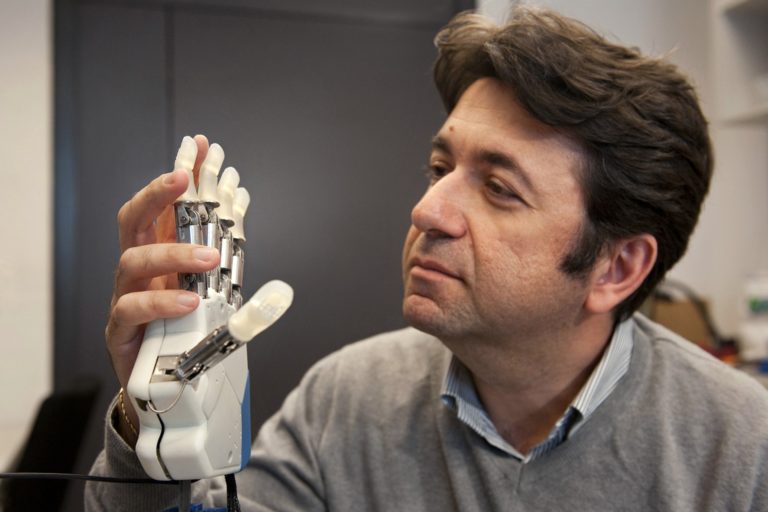
The study of electroceutical devices is still at an early, mainly pre-clinical stage, but the potential coming from its application in clinics is estimated to be enormous. The most advanced project carried on in Micera’s lab at the Scuola Sant’Anna sees the realisation of an “almost human” robotic hand, which is able to replicate movements very close to the ones of a real human hand. «We are also working on diabetes, within a collaboration we had with Glaxo SmithKline – tells Silvestro Micera -. We are also addressing some gynaecologic and obstetric problematics, we are still at an very early stage in these areas and we hope to obtain some result in few years».
SetPoint Medical is one of the most advanced companies active in the field at the international level; it has been founded by President and Ceo of the Feinstein Institute for Medical Research, Kevin Tracey, together with Shaw Warren of the Harvard Medical School. The company announced in March 2018 the stating of the first pilot clinical study in men to treat rheumatoid arthritis by stimulation of the vagus nerve. The target of the intervention is the reactivation of the patient’s natural inflammatory reflex, leading to inhibition of the production of pro-inflammatory molecules such as Tnf-α or IL-6 (figure 1). Galvani Bioelectronics is another company founded in 2016 as a joint-venture between Gsk and Verily (the healthcare branch of Google) with the mission to develop and commercialise new bioelectronic medicines. The Gsk Venture Fund is also among investors in SetPoint Medical, together with Medtronic, Boston Scientific and other capital partners.
The inflammatory reflex
Public research in bioelectronic medicines is also very active, as demonstrated by the launch in 2016 of the multi-disciplinar Sparc (Stimulating peripheral activity to relieve conditions) program by the US National Institutes of Health, for a total investment of $ 238 million by 2021. The aim of the program is to better understand the functioning of peripheral nerves and how their electric signals control the functions of the organs.
An action at the synaptic level
Many technological barriers still need to be overcome before achieving large scale development of bioelectronic devices, the main one being the need to efficiently connect the device with a large number of axons and neutrons. «Technologies used to build the electrodes are still “primitive” from this point of view – explains Silvestro Micera – The electrodes for the motor cortex used by disabled persons, for example, replicate in the best case few hundreds of neurons, while they should be able to record at least some hundreds of thousands. There is a sort of band difference. The other issue is the lack of continuity, with information degrading with time. Technology has greatly evolved in the past twenty years, but it is still not able to generate a very rich, selective and efficient connection».
The preferred way make by now use of devices implanted directly on the nerve or very close to it, a procedure quite invasive for the patient. Some example of not invasive systems are beginning to appear, even if according to Micera they present higher selectivity problems with respect to implantable devices. «It is as I would like to speak with a person closed inside a room, while I’m out of it. I can potentially do this even with the door closed, but selectivity for an implantable device is probably higher, at least on the medium period».
Electroceutics act at the level of a single nerve and the corresponding organ system, thus applications should address single pathologies; it is difficult to think a system “tunable” according to the specific need. Even at the level of the vagus nerve, which is very large, there is need to interact with a specific part of the nerve and it is thus difficult to develop a “general purpose” solution. The starting point is always represented by the understanding of the specific neural system involved in the pathology. «We need to be selective for this nerve, to then appropriately select the simulation parameters in order to restore the nerve’s activity. A possibility is to study the pathological mechanism in order to understand what is needed and how to provide it. Another possibility is to use the information closing the control mechanism: there is a change of parameters in real time on the base of the registered information», explains Silvestro Micera.
For the professor of the École Polytechnique it is still not possibile to tell if electroceutics might completely replace in future more traditional pharmacological treatments, or if they shall act complementary. Artificial intelligence will also play a fundamental role for the success of electroceutics, for example in making the system more efficient or in modifying its parameters in real time. «The so collected information allow to better understand how the information itself should be correctly used. This has a deep impact, because it allows to better characterise what we are doing and to personalise it for each patient», adds Micera.
Risk evaluation is still to be fully accomplished
The main risk in the use of electroceutical devices are by now connected to the choice of biocompatible materials for their production, while informatics security is still to be fully addressed as the technology is at an early stage of development. «Theoretically, everything representing an electronic medical device might be hackered, but these systems are quite safe by now. We are currently focusing in understanding the true feasibility of this technology; the security issue will arise once we have many people implanted with it – tells Silvestro Micera -. There is currently no issue with augmentation, because we are not so performing. We shall consider it from the ethical point of view sooner or later, but it is still something far». How far might depend from the specific application: the ones intended to support disabled persons shall be probably the first one to become available. «This does not mean that there will be a massive use, but that the first clinical trials will start in few years. To reach massive application we need to wait at least ten years», is the final forecast made by Silvestro Micera.
The autonomous nervous system and the vagus nerve
The autonomous nervous system (also called vegetative or visceral) reaches all organs and glands and it controls all essential, not voluntary functions of the body. The nerves irradiates from the brain and the spinal cord to reach all organ systems.
The vagus nerve is the tenth cranial nerve (on a total of 12) and its right and left branches represents the longer and widely branched cranial nerves in the body. They start from the brainstem, pass through the jugular foramen and the thorax to finally reach the abdominal region. The vagus nerve is part of the parasympaphetic portion of the autonomous nervous system and reaches all organs apart the adrenal glands. It is the responsible of many fundamental processes, i.e. the regulation of heart beat and gastrointestinal peristalsis, bronchoconstriction, bile production and sweating.
The first trials in men
SetPoint Medical announced at the end of March 2018 the starting of the first pilot clinical study in men, to be carried out in the US. It will focus on the use of bioelectronic devices to treat rheumatoid arthritis refractory to standard therapies, including biological agents. According to the company, the device will be implanted on the vagus nerve and it will release pre-dosed quantities of electricity. The study was approved by the Fda under the Investigational device exemption (Ide), and it will allow to assess the safety and tolerability of the method. According to SetPoint Medical, it should include approx. 15 patients aged 22-75, reclute across seven different clinical centres.
Results of a previous proof-of-concept study conducted in Europe was published in 2016 in Pnas (https://doi.org/10.1073/pnas.1605635113). Eleven of the 17 patients showed an improvement of the Disease activity score, as well as five over the seven patients not respondent to conventional treatments.
(SetPoint Medical)
The inflammatory reflex
The inflammatory reflex was discover in 2000 by Kevin Tracey, founder of SetPoint Medical. It consists of a neurophysiological effect according to which signals generated by inflammatory processes, senses or tissue damages are sent to the central nervous system. After elaboration of the signals, the CNS sends its feedback to muscles and organs through the vagus nerve. Norepinephrine is a neurotransmitter central to this process, as it activates T cells in the spleen. These cells then release acetilcholine, another neurotransmitter acting on monocytes and macrophages produced by the spleen and involved in the reduction of the levels of molecules involved in inflammation, such as tumor necrosis factor-α and IL-6.
The vagus nerve contains approx. 100 thousands nerve fibres, reaching different organs. According to Nature (doi:10.1038/545020a), the quantity of electricity needed to reactivate neural response can vary up to 50 times among different nervous fibres. The quantities of electricity needed to deactivate inflammatory processes would be some eight times less intense that those used to treat epilepsy. A further advantage is represented by the fact that a single electric discharge might inhibit pro-inflammatory cytokine production up to 24 hours.
The controlled-release capsules obtained by additive manufacturing have been developed in the US by two Italian researchers, Alice Melocchi and Federico Parietti. Multiply Labs, the startup they founded, is starting to commercialize the dietary supplements, and plans are already in place to expand the business into the pharmaceutical sector
The new 3D printing technology for the manufacturing of “general purpose” controlled-release capsules to be filled with personalised dosages and combinations of dietary supplements have been developed by two Italian researches, Alice Melocchi and Federico Parietti – who both attended the Massachusetts Institute of Technology (MIT), Boston – together with an American cofounder, Joe Wilson.
In 2015, Alice Melocchi was a PhD student coming from the the lab of professor Andrea Gazzaniga, at Milan University, which has a long tradition in the development of controlled released pharmaceutical dosage forms.
Federico Parietti obtained his degrees in mechanical engineering from the Politecnico of Milan and was attending a PhD in robotics at the MIT, where he was also president of the local association of Italian students (MITaly).
«In Gazzaninga’s laboratory, we were always discussing how we could test the emerging 3D printing technologies to develop the capsular container for drug release we have been working on for many years», says Alice Melocchi, CTO of the startup company Multiply Labs, «While I was in Boston, I asked Federico if he could help me access an additive printer». From this first interaction was born Multiply Labs, now based in the San Francisco area. Alice Melocchi remembers how, during the early phases of the project when the first prototypes of the 3D printed capsules were developed, the American way of thinking and the startup spirit permeating Boston greatly helped the two researchers.
Multiply Labs is now entering the US market with 3D printed, personalised dietary supplements, that can be ordered online from the company’s web site on the base of the individual specific nutritional needs. «Nutraceuticals represented the quicker way to bring our technological platform to market, as they are less regulated with respect to drug products and play a different role on health: the delivery platform for dietary supplements allows us to manufacture capsules that can undergo personalisation in terms of quantity of the supplement and time for its release. But the idea born from pharmaceuticals, and it is there we would like to return», says Melocchi.
The two researchers have already overcome many challenges, but this is just the beginning of the story: the next step, anticipates Federico Parietti – now Ceo of Multiply Labs – will see the starting of a dialogue with the Food & Drug Administration in order to also develop the technology for the pharmaceutical sector. «The Californian Department of Public Health authorised our San Francisco facility for the Gmp production of dietary supplements in October 2017» says Parietti, «This is something fundamental for us: this type of products do not require clinical trails if the substances we use are already approved. Focusing on dietary supplements allowed us to attract investors, a difficult goal in California if you cannot demonstrate the ability to rapidly generate revenues. We are now using these revenues also to carry out some new research. But a GMP facility is not enough to enter the pharmaceutical sector: we need also to perform studies to demonstrate the quality, safety and efficacy of our products».
Multiply Labs launches Personalized Supplements
An exceptional incubator
The first patent, filed while Melocchi and Parietti were still working in Boston, and a scientific article which received in 2015 the Best paper award from the Journal of Drug Delivery Science and Technology opened the way towards the development of the general purposes capsules, to be filled with different substances. This turned out to be quite easy, considering that the competitors were more focused on the direct incorporation of active pharmaceutical ingredients into the raw material used for additive printing. «Our target was to separate the container, the release system, from the content. There are more problems to solve in trying to directly print the active ingredient, for example due to degradation induced by heating», says Parietti.
After Joe Wilson, an MBA student at MIT and now COO of Multiply Labs, also joined the team, the following step was to apply to Y Combinator, located in San Francisco. «We were selected for the Summer 2016 batch which meant that we officially founded the startup and completed the incubation program during all summer», tells Alice Melocchi. «Y Combinator is the most prestigious incubator, where companies such as AirB&B and Dropbox were created. Acceptance to Y Combinator is more competitive than either MIT or Harvard universities, as all American investors look at its startups. It was a great chance for us to be selected, in order to launch the startup as quick as possible», adds Parietti.
After the pre-seed phase, in May 2017 Multiply Labs received a new investment of $2.7 million from a group of investors including P101, CRCM, Graph Ventures and Fenox Venture Capital. This sum has been used to build a state-of-the-art GMP facility, whose robotic manufacturing systems are also protected by three different patents.
Many challenges for the first-in-kind innovators
Up to now, the main challenge the team had to face was the construction of the GMP facility to fit requirements of the Californian law on dietary supplements. That challenge required less than a year (January – October 2017) and posed a paradox, given that Y Combinator represents the most advanced frontiers of science and technology. «Everybody is working on software in the Silicon Valley, it is difficult to find machines that are able to develop rapidly and with high accuracy. We have a small internal machine shop work, and we need to produce some mechanical parts ourselves using a mill and lathe», tells Parietti.
The layout of the new facility is similar to the standard one typical of GMP manufacturing, with separated areas for starting materials, production, cleaning, etc. Multiply Labs uses fused deposition modeling as its 3D printing technology, where the initial filament is heated to be then deposited to form the capsule by the additive printer. «No commercial filaments using pharmaceutical grade polymers that can be ingested are available. We had to develop our process to obtain the filament, and check its safety», says Melocchi.
A further challenge involved the need to validate all materials and methods used, which was especially difficult given the complete absence of reference methods for 3D printing. «For this central challenge it has been very important the collaboration we have with the University of Milan. We jointly developed the needed protocols to demonstrate that no degradation occurs with the filament and capsules. The supplier of the HPC we use as raw material does not know how the filament behaves, as they normally use this substance as a coating solution», says Parietti. The typical batch size for a 3D printed production is no more than few dozens capsules, something that also posed issues when compared to the very high numbers of a mass production. «Now that the manufacturing process has been approved, we need to fully industrialise it. It is similar to Tesla: we are on the market, but we need to produce more efficiently. There is a great demand for this type of products, but we are currently in the transition between the prototype manufacturing and a fully industrial system», adds the CEO of Multiply Labs.
How to approach the market
There are currently six full time employees working at Multiply Labs, in addition to four part-time. The orders received from the company’s website already exceed its production capacity, therefore the company will need to start hiring fast. «We started hiring the first workers, but we have more robots than humans. In San Francisco nobody runs manufacturing activities, as the space is very limited» says Parietti.
«Anyone whose interested can simply answer a few easy questions on our website, and a specialised algorithm will return advice on the dietary supplements most suited to their specific needs», explains Melocchi. Each 3D printed capsule is individually sealed into a bag and inserted into a clear plastic dispenser. As Parietti explains, this kind of packaging aims to facilitate customers travelling a lot, which may carry with them only the number of bags they need during the journey. «Delayed and pulsating release caffeine has resulted in a lot of interest. We started from a simple prototype, which allowed us to achieve the release of caffeine after two latency periods of different lengths», says Melocchi.
Future goals
«3D printing has the advantage of real time production with respect to injection molding, it is thus possible to rapidly obtain prototypes and change the characteristics of the object», explained the CTO of the company. «Injection molding presents advantages from the economic point of view, as the number of pieces and rate of production, but the creation of the mold and its maintenance are very expensive. The mold cannot be modified, and to building a new one costs both time and money».
According to Federico, Multiply Labs’ technology will reach Europe soon, a very interesting market in many ways. First of all, it would be easier to find skilled GMP staff for the manufacturing than in the US. «The University of Milan, for example, is forming many profiles specialised in pharmaceutical sciences, both from the research perspective than the manufacturing one», says the CEO. Alice Melocchi is working at Gazzaniga’s lab as a researcher, and the group is strongly involved in the project, maintains the right to publish research results of the pharma technology. «There is a strong collaboration on clinical trials between the US and Europe, the clinical data might be shared and this is of great interest for us», adds Federico Parietti. «We are also interested in the European market, but it is very fragmented at the level of different countries». We will just need to wait for the arrival of the first 3D printed capsule in Europe!
THE Y COMBINATOR
Y Combinator is a seed-phase incubator founded in 2005 in San Francisco. The new companies are selected twice a year to be incubated for three months, with an initial investment of $120,000, and then presented to a selected group of investors during the Demo Day.
The Summer 2017 batch saw a total of 124 startup companies presenting their companies at Demo Day. Ten of them worked in the biotech field, while 28% came from outside the US. The average age of founders was 29.5 years. More than 1,400 startup companies have been incubated in Y Combinator since 2005, for a total market cap value of over $85 billion. About ten companies are now valued over $1 billion, and 64 others at over $100 million. The startup companies incubated in Y Combinator attracted a global sum of over $13 billion in investment.
The so long waited decision is not a true decision: the new location of the European Medicines Agency (Ema) will be Amsterdam, but the final choice that took place on November 20 has been based on a drawing of lots. The first two rounds of voting at the European Council of General Affairs saw Italy’s economical capital Milan as the winner, thanks to the very strong candidacy dossier prepared by the Italian Government and the immediate availability of the chosen building, the “Pirellone” that currently host the Lombardy Region. But the third round – played on at pure political level – closed in balance (13 vs 13 votes for Milan and Amsterdam), thanks also to the abstension from the vote of Slovacchia, those capital Bratislava was eliminated at the first round. «The drawing of lots is no longer existing even for football – commented Sandro Gozi, the Italian delegate who took part to the voting – It is like we lost a final on penalties».
From March 29, 2019 the Netherlands will become the center of the regulatory approval of medicinal products and will benefit of the € 1,7 billion connected with Ema’s activities, according to the estimates from the Bocconi University of Milan. The Dutch capital is now called to find a temporary location for the Agency, as its final destination – the Vivaldi Building – should be not ready before end 2019-beginning of 2020.
The future is here, but Amsterdam is not yet ready
Reaching the goal might be not so easy for the Dutch government and the representatives of the city of Amsterdam. According to the web-magazine Politico, who said to have seen an Ema’s internal e-mail from November 28, an officer of the Agency wrote that «each of the proposed temporary premises has weaknesses which raises concerns about Ema’s continuity of operation even if this is only for a period limited in time».
Immediately after the vote the Agency announced the publication in December of a detailed program of the planned activities (it is not yet available while we are writing). «We welcome today’s decision on the new location of Ema. Now that we finally know where our journey is taking us, we can take concrete actions for a successful move», said the Agency’s executive director Guido Rasi after the final decision of the Council. According to Rasi, Amsterdam ticks many of the criteria set by Ema, as it offers excellent connectivity and a building that can be shaped according to the Ema’s needs. «I am very grateful that the Member States took into account our requirements for business continuity and gave priority to the protection of public and animal health”, said the executive director commenting the exclusion of Bratislava at the first round of vote. Amsterdam placed also among the five cities preferred by at least the 80% of Ema’s staff, as resulted by an internal survey, a fact that is expected to prevent the loss of a great part of expertise after the leaving from London. «However even in this case, our activities will be impacted and we need to plan for this now to avoid the creation of gaps in knowledge and expertise», said Guido Rasi.
The threat of a possible delay in the availability in Amsterdam even of the temporary premises has led the two Italian representatives at the European Parliament – Patrizia Toia (Pd) and Elisabetta Gardini (Forza Italia) – to present a joint question to the European Commission and the European Council to reconsider Milan as the new location for Ema. The two members of the Euro-Parliament asked if for the Council is still valid the technical evaluation provided by the Commission before the vote of November 20, and if failure by Amsterdam to comply with the assumed obligations might represent a reason to re-open the procedure. Delays, said Gardini and Toia in their question, undermine the right to health of citizens, do not reflect the business continuity criterium that was the main one for the choice of the new location and implies additional costs for the budget of the EU.
The plans of the Dutch Government
According to the Dutch Minister for Healthcare, Bruno Bruins, the move of Ema to Amsterdam «is good news for all patients across Europe. In Amsterdam the Ema will be able to continue its important work without interruption after Brexit. The Agency can continue to grant access to new, innovative medicines without delay and will still be able to respond quickly and effectively in the event of problems with a given drug. Now, the real work begins. Amsterdam and the Netherlands as a whole are fully committed to ensuring the Ema’s relocation runs smoothly. We are ready to get started and we will make sure that the Ema’s important work is not disrupted».
The first goal is to identify a temporary location while the Vivaldi Building will be completed. But according to Politico, even this choice might be not so easy. According to the project leader of the Dutch Ema candidacy Maurice Galla, wrote the magazine, one proposed temporary office building is two metro stops away or a maximum 10-minute walk from the Vivaldi Building.
The Ducth government should made available a € 18 million una tantum financial incentive to support Ema’s relocation from London, stated the candidacy dossier, and a joint structure to govern the entire process will be established between the Agency and the Dutch government.
Crucial support to provide business continuity will be those of the Dutch Medicines Evaluation Board (MEB), the local regulatory authority that will replace UK’s MHRA in the close cooperation with the Ema activities. «The MEB is one of the main European players in the centralised assessment of medicines and pharmacovigilance – said executive director of the MEB, Hugo Hurts –. The MEB will assist in the relocation of the Ema to Amsterdam so that the continuity and quality of medicines authorisation and monitoring will remain at the same high level, in the interests of the patients». According from a note released by the MEB, since the end of March 2017 the authority has been preparing for taking over part of the extra work that will arise due to Brexit. and the Dutch government is investing € 2 million in extra capacity for the MEB in the coming years. About 25 new staff will be recruited by the local regulatory agency. The Netherlands is also investing € 8 million in reinforcing the European network by facilitating extra training opportunities for the other national medicines authorities.
Ema’s new location
The Vivaldi Building is located in the Zuidas area, in the southern part of Amsterdam which host also the Amsterdam World Trade Centre, the VU University Amsterdam and the VU University Medical Centre. According to the candidacy dossier, the building should reach 31,000 m2, for a total of approx 1,350 working places. The Central Government Real Estate Agency (CGREA) of the Dutch government will be responsible for the execution of the project. The dossier indicated an annual rent of € 260-280 /m2 for twenty years.
An information desk will be made available for the aprox. 900 families that have to plan the transfer from London. International schools in Amsterdam and The Hague shall also host the approx. 600 children arriving from the UK, and according to the dossier the Dutch government will invest €10,7 million to expand their capacity of 6% from school year 2017-2018. The Netherlands host also two European Schools at The Hague and Bergen.
The rich economical and industrial Dutch environment, together with the many international institutions already installed in the country, will offer work opportunities also for the staff’s family members. The candidacy dossier announced the detaxation of their incomes up to 30% for the first 96 months of stay in Holland.
The life science research and industrial sector is among the key drivers identified by the Dutch government as important for the national economy. The country hosts more than 3,000 innovative companies – mostly biotech – and counts more than 34,000 employees. There are eight university specialised in Pharmaceutical Sciences. The candidacy dossier also recalled the Leiden Bio Science Park, a scientific hub hosting more than an hundred biopharmaceutical companies and startups. Collaborative research is also a main focus for investments, as witnessed by the activity of many research institutions in the areas of oncology and regenerative medicine and by the One Health initiative.
The almost 36,000 experts visiting Ema each year will benefit of the Amsterdam-Schiphol airport, the third one in Europe counting 322 different destinations in 95 countries and more than 63 million passengers per year. There are 650 hotel in the capital of the Netherlands, while approx. 3,700 are the rooms available in the Zuidas area.
Vulcanising and antioxidant agents, plastic’s monomers, dyes, phthalates, silicon oils or toxic inorganic elements are just few examples of substances that might be present as contaminants into a finished medicinal product. They might be released by contact between the finished dosage form and the machinery and materials used for the manufacturing process (i.e. filters, containers, tubes…) or with the primary packaging materials. This sort of impurities are designed under the term “extractables & leachables” (E&L, BOX 1 and 2) and their determination represents an important regulatory request as for the toxicological safety of the finished medicinal product. «The determination of the extractables & leachables in the pharmaceutical sector is very similar to the one of the food contact materials typical of the food industry – tells Antonio Conto, European registered toxicologist and managing director at Chemsafe. – In both cases it has to be determined what are the contaminants present in the food or medicinal product, respectively, which might cause some adverse effects to the patient-consumer».
The different profiles of impurities
There are two main categories of extractables & leachables, the main one being the possible additive contamination of the final dosage form with substances coming from the manufacturing process or packaging materials. In the second case, some of the pharmaceutical active ingredient or excipients are adsorbed into the same packaging material, thus altering the quantities present in the dosage form. In both cases, the main result is a possible alteration/reduction of the stability profile of the medicinal product, of the quantity of the active ingredient or of the impurities profile and the formation of particulate within the formulation. «The first instance is the most worrying one, and it represents an increasing issue we are addressing since the last couple of years upon request of pharma companies. They have been solicited by the Food and Drug Administration to test the finished products intended to be sell in the U.S.», tells Conto.Paragraphs <1663> and <1664> of the USP gives the definition of extractables and leachables: the first term refers to substances that might be “extracted” by the packaging materials, while the second one is in many cases a sub-group of the extractables, representing all substances that might perculate into the finished dosage form. Leachables might also refer to substances that form upon contact with the drug product, and not during the laboratory extraction, thus they might be not included within extractables. A less known category is the “migrants” one, i.e. substances that accumulate into the finished product upon passage of a physical barrier; they might come from the secondary and tertiary packaging materials or from ancillary components, and they are able to pass through the primary packaging material. «Typical examples of leachables are azo-dyes used in labelling, or plastic phthalates: they are also restricted under the Reach regulation, as they are endocrine disruptors with a critical safety profile, which might impact the human reproductive and hormonal systems. Among inorganic toxic elements I mention lead, cadmium, chromium – further tells Antonio Conto .- Also the plastic’s monomers and dimers can be highly toxic, while they are safe once polimerisation occurred due to the high molecular weight and the low bioavailability of the polymer».
How to develop the better strategy
There are many substances that might pass from the packaging materials to the medicinal product, thus it is very important to correctly address the determination of E&L since the beginning of the process to properly manage its complexity. «The difficult issue is to join the analytical activities and the toxicological ones – explains Antonio Conto. – At a first instance, the analytical part might play a major role: it should be carefully planned, as it might cause many issues and result to be misleading».
The initial laboratory extraction, usually run using ethanol as the solvent, might give a pool of an hundred different chemical substances, which should be then analysed from the toxicological point of view to determine the presence of leachables. These last one might be a pool of very few substances. «It is necessary since the beginning to direct the analytical study from a toxicological perspective, trying to obtain data as close as possible to the true situation. It often occurs that the extracted substances are unknown impurities, and their structural delucidation might have very high costs», tells Chemsafe’s managing director.
The toxicological risk evaluation should be always part of the development of the analytical protocol. For example, tells Conto, one of Chemsafe’s early customers is now working to the development of a routine GMP-validated analytical method for batch release. «Once obtained the E&L’s toxicological profile, the substances are always the same. It is thus possibleupon validation of the safety levels, to demonstrate for each batch to be under the threshold level».
Three steps to be evaluated
The isolation of the extractables from the packaging material or the from the labelling is the first analytical step, but «it is possible that these would be not the ones that percolates. The true pharmaceutical dosage form is the one in contact with the container. The study to determine leachables is run with a simulated formulation under laboratory experimental conditions – explains Antonio Conto. – The toxicological evalutation is placed between these two steps». The study design is strictly dependent upon each single product, and the route of administration may also impact the risk evaluation. Parenteral administered drugs, for example, are characterised by an higher potential risk with respect to topical drugs. For these last ones, a possible issue might be represented by leachables that are also skin sensitiser. The mixed approach stays in the middle between the to extremes, a purely extractive approach or the simulated product approach. Under the mixed approach, the toxicological evaluation helps to identify the more relevant substances among the extracted ones, which are then further searched in the leachable study. «The hazard profile is connected to the chemical structure of the substance. The risk evaluation gives the uptake threshold level, the impurity’s daily dose that the patient can take without adverse effects during its entire life span, according to the worst case approach», explains the toxicologist. The great part of guidelines for the determination of E&L comes from the United States (BOX 3); among these, the ones from the Product Quality Research Institute (PQRI) working group also provide the specific safety levels for different contaminants and for some type of toxicological endpoints, i.e. genotoxic substances, sensitisers and substances characterised by a generic toxicity. The uptake limit for genotoxic compounds, for example, is 1,5 mg/die. (Table 1)
Biological drugs represent a particular case, as the presence of leachables might also alter the 3D structure of proteins. Metals, for examples, might bind to amino-acids and induce a change of the conformation of the protein, thus causing a reduction/loss of the desired pharmacological activity. A direct interaction between the leachable and the biological drug is another possibility, that might cause loss of post-translational modifications. «The determination of E&L for biological medicines is even more complex than for synthetic drugs, thus it is by now less debated. Upon future experiences it could be deeply discussed in the coming years», comments Antonio Conto.
The entire life cycle of the product is interested
The responsible for the determination of extractables and leachables is the manufacturer of the finished medicinal product but, according to Chemsafe’s managing director, it might ask its suppliers of packaging materials to demonstrate the absence of certain substances. «We never received such a detailed request, as suppliers are for some instances not so well prepared to face this sort of certification procedures and its costs. Pharmaceutical companies have by now qualified their suppliers according to the GMP. It can be not strictly excluded that a packaging might release E&L; as a toxicologist, this evaluation should be run on all packaging materials», is the final proposal coming from Antonio Conto.
Definitions of E&L according to USP <1663> and <1664>
Extractables <USP 1663> – Extractables are organic and inorganic chemical entities that can be released from a pharmaceutical packaging/delivery system, packaging component, or packaging material of construction under laboratory conditions. Depending on the specific purpose of the extraction study, these laboratory conditions (e.g., solvent, temperature, stoichiometry, etc.) may accelerate or exaggerate the normal conditions of storage and use for a packaged dosage form. Extractables themselves, or substances derived from extractables, have the potential to leach into a drug product under normal conditions of storage and use. Leachables <USP 1664> – Leachables are organic and inorganic chemical entities that migrate from a packaging/delivery system, packaging component, or packaging material of construction into an associated drug product under normal conditions of storage and use or during accelerated drug product stability studies. Leachables are typically a subset of extractables or are derived from extractables. Note that chemical entities can also migrate from packaging/delivery systems to patients via direct contact.
Possible primary sources of extractables according to USP <1663>
Chemical additives in individual elastomeric/polymeric packaging components and raw materials, including contaminants in these additives;
Monomers and higher molecular weight oligomers derived from incomplete polymerization;
Migrants from secondary and tertiary packaging components, such as inks, label adhesives, and volatiles from cardboard shipping containers, plastic storage bags, and wooden pallets;
Surface residues, such as heavy oils and degreasing agents on metal canisters and containers;
Chemical substances on the surfaces of component fabrication machinery or other drug product manufacturing systems, such as mold release agents, antistatic and antislip agents;
Chemical additives, monomers/oligomers, contaminants, etc., in various parts of component fabrication machinery or other drug product manufacturing systems.
The main regulatory guidelines
USP <660> Glass
USP <661.1> Plastic packaging systems and their materials of construction
USP <661.2> Plastic packaging systems for pharmaceutical use
USP <1660> Evaluation of the inner surface durability of glass containers
USP <1664> Assessment of drug product leachables associated with pharmaceutical-packaging delivery systems
USP <1664.1> Assessment of drug product leachables associated with pharmaceutical-packaging/delivery systems: Orally inhaled and nasal drug products
USP <1664.2> Parenteral and ophthalmic drug products (proposed)
PQRI Leachables and Extractables Working Group. Safety thresholds and best practices for extractables and leachables in orally inhaled and nasal drug products. September2006.
ISO 10993-17: 2002. Biological evaluation of medical devices – part 17: establishment of allowable limits for leachable substances.
Guideline on plastic immediate packaging materials. CPMP/QWP/4359/03 and EMEA/CVMP/205/04.5/19/05.
EMA, Limits for genotoxic impurities EMEA/CHMP/QWP/251344/2006
EMA, Specification limits for residues of metal catalysts and metal reagents EMEA/CHMP/SWP/4446/2000
ICH Q3A, Impurities in new drug substances
ICH Q3B, Impurities in new drug products
ICH Q8, Pharmaceutical development
ICH Q6A, Test procedure and acceptance criteria for new drug substances and drug products
ICH M7 Guideline on mutagenic impurities
Draft published into the Pharmacopeial Forum (PF), 43(3), May-June.2017:
USP <1665> – Plastic components and systems used in the manufacturing of pharmaceutical products
USP <665> – Plastic components and systems used into pharmaceutical production