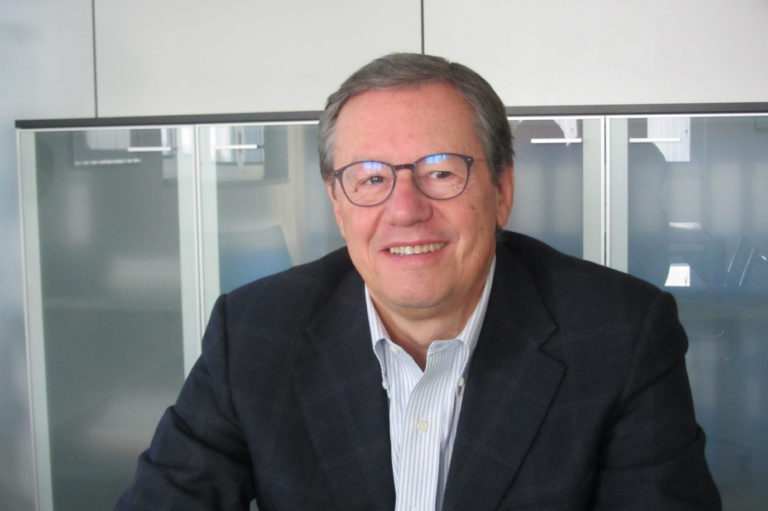
He entered in charge on April 8th, 2017 to replace the former president Isabelle Adenot, named as a new member of the Collège de la Haute Autorité de Santé (HAS).
Upon publication of the new position in the France’s Official Journal – a position Adenot will cover for the next three years – the former president resigned also from the Conseil national de l’Ordre des pharmaciens (CNOP).
HAS Board is made up of six experts named by the France’s Economic, social and environmental Council and it is directed by professor Agnès Buzyn.
Isabelle Adenot has communicated her move to HAS with a letter published at the end of March on the French Pharmacists Association website after being its president for the last eight years and a member of the Board for 30 years.
“You can understand, my colleagues, what does this mean for me. But the decision will in any case pursuit the same continuous level of engagement”, wrote Adenot in her letter. Patients at first, the respect of etics and opening to modernity will continue to characterise her action at the HAS.
Jean-Pierre Paccioni is the former vice-president of CNOP; he will serve as ad interim president, up to the results of the new elections needed to identify the new president of the Association (elections still to be fixed).
Jean-Pierre Paccioni has a long experience as president of the B section (Industrie) of the Central Board of the Pharmacists’ Association, a position he covered from 1994 to 2015. Paccioni has also worked at the beginning of his career as a researcher for the Centre national de la recherche scientifique (CNRS), after taking the degrees in Organic Chemistry and a diploma from the Paris’ Institute of Industrial Pharmacy.
Paccioni has a long track record of activity within the pharmaceutical industry, where he covered the position of Responsible Pharmacist and is currenlty the vice-president of Pharmaceuticals Affairs of GSK France. Paccioni is also a former president of the European Industrial Pharmacists Group for the periods 1998-2002 and 2013-2016.
Patent authorities in the U.S. and UE considered in a very different way the extent of the initial patent application filed in 2012 by the University of California, Berkeley (UC), researchers Jennifer Doudna and Emanuelle Charpetier (formerly at the University of Vienna) as for the inclusion of eukaryotic cells within the claims.
According to the European Patent Office, both prokaryotic and eukaryotic cells are part of the UC’s patent, while the PTAB’s decision states that there is no interference between this patent and the one filed some months later by Feng Zhang, a researcher at the Broad Institute.
“Broad provided sufficient evidence to show that its claims, which are all limited to CRISPR-Cas9 systems in a eukaryotic environment, are not drawn to the same invention as UC’s claims, which are all directed to CRISPR-Cas9 systems not restricted to any environment”, states the PTAB decision.
A person of ordinary skill in the art would not have reasonably expected a CRISPR-Cas9 system to be successful also in a eukaryotic environment, adds the PTAB.
In the US, the group lead by the University of California, Berkeley continues to support the position that the use of the CRISPR-Cas9 system in eukaryotic cells is not separately patentable from using the system in other cell types, and for that reason it is going to present a further legal challenge at the Appeal Court of the Federal Circuit
The CRISPR-Cas9 patent litigation might also deeply impact on the future of the pharmaceutical development, as CRISPR-Cas9 are a particularly innovative set of gene editing techniques allowing for the easy and fast modification of DNA.
The final allocation of patents protecting modifications of eukaryotic cells is critical to address the rights of use of such a technology on human cells.
Many different companies have been founded upon the work of Jennifer Doudna, Emanuelle Charpentier, Feng Zhang and the other researchers involved in the patent filing and subsequent dispute.
The European Commission published on February 22nd the2017 European Semester Country Reports, that considers also issues to be addressed as per health and healthcare systems in the different Member States.
UE is living a recovery phase after the economic crisis, states the Commission, which is the result of an accommodative monetary policy, a broadly neutral aggregate fiscal stance, pro-growth fiscal adjustment and the impact of structural reforms.
High unemployment, poverty and inequality remain key concerns in some countries, and socioeconomic convergence across the EU has yet to resume fully.
The reform of healthcare systems is among critical measures needed to ensure cost-effectiveness and access to services while safeguarding sustainability, states the Country Report.
Progress toward this goal varies among the Member States. A group of 15 countries (including Ireland, Lithuania, Austria, Portugal, Romania, Slovenia and Finland) addressed some country-specific recommendations, among which are improvement of cost-effectiveness, shifting to and using less costly care, and curbing informal payments.
Others countries showed only limited progress, says the report, and an acceleration is needed in order to support the population’s health, economic prosperity and social cohesion. EU Commission’s required reforms listed in the reports include: ensuring access to timely and good-quality healthcare for all; shifting from in-patient to outpatient care; investing in health promotion, primary care and integrated care; improving the governance of the systems; using medicines more rationally; using Health Technology Assessment; more centralised public procurement; and e-health and health information tools.
The Commission also requests to speed up the reform of pensions, an important item to ensure medium- and long-term sustainability coupled to population ageing. Healthcare and pensions risk relates, according to the document, to fiscal concern and accessibility issues. Finally, the Country Reports also highlight the importance to achieve a better public procurement in the healthcare sector.
The publication rate is still low in some countries, says the Commission, resulting in insufficient openness to cross-border business opportunities.
In its comment, EFPIA highlights that under-funded healthcare systems are still present in many countries, such as Bulgaria, the Czech Republic, Croatia, Latvia, Hungary, Malta, Romania, Slovenia and Slovakia.
Some others are experiencing poor health outcomes (Bulgaria, Czech Republic, Estonia, Croatia, Latvia, Lithuania, Hungary, Poland and Romania). The high proportion of out-of-pocket expenditure is also identified to prevent access to healthcare and medicines in many cases (i.e. Lithuania, Latvia and Bulgaria).
Over-use of hospital and specialist care is still a problem in the Czech Republic, Estonia and Hungary, even if for different reasons. According to EFPIA, strengthening primary care, increasing care coordination and aligning financial incentives to health outcomes rather than unnecessary procedures are all important measures to be taken in mind while projecting reforms.
The industrial think tank also refers to the recent report from the OECD, “Tackling Wasteful Spending on Health”, that mentions all different sources of “low-value care” expenditure. From this point of view, EFPIA welcomes measures to increase value-for-money in health systems, including health technology assessment (HTA). According to EFPIA, this latter instrument is still too often limited just to medicines.
The Country Report also discusses the different approaches chosen by member States in order to contain pharmaceutical expenditure. But, suggests EFPIA, the issue is addressed as “a cost only, without any reflection on the value pharmaceuticals bring to patients, healthcare systems and societies”. Possible examples are the savings achievable thanks to extensive vaccination schemes.
According to EFPIA’s comment, there is a danger in focusing too much on fiscal sustainability while assessing healthcare systems.
Cost-containment is not the only possible solution, suggests the Federation, and also interventions that brings the most value for money and implement more effective and comprehensive resource allocation should be considered.
According to EFPIA, the Country Reports still excessively build on various fiscal, structural and process indicators. “More disease-specific health outcomes data are needed in order to identify potential inefficiencies and analyse which interventions that bring the most value to patients”, suggests the think tank. From this perspective, EFPIA asks that all Member States implement instruments for the Health systems performance assessment, with a strong focus on health outcomes measurements.
Electronic health records and registries are examples of the possible measures to be considered, which could be implemented with the assistance of available EU funds and financial instruments including the European Fund for Strategic Investments, the European Structural and Investment Funds and the Connecting Europe Facility.
Borned in 2011 on the basis of the previous division of HealthCare Nutrition of the Swiss food and beverage multinational Nestlé, Nestlé Health Science (NHSc) is increasingly establishing itself as a global player in the fast-growing sector of clinical nutrition. A major player acting at 360 degrees, with projects dedicated to the optimization of diagnostic-therapeutic pathways, as well as other initiatives in the most innovative areas of diagnosis and of the use of digital technologies to support consumers-patients. We met the CEO of Nestle Health Science, Greg Behar, during the recent convention Eyeforpharma Barcelona 2017.
Greg Behar, CEO of Nestle Health Science
A galaxy in rapid evolution
«”United for healthcare“, the motto chosen by Eyeforpharma for the convention, expresses very well the challenges we all are facing in healthcare. The target of Nestlé Health Science is to create a new frontier for nutritional therapies: our attention is concentrated on the nutritional needs of consumers and patients, on the development of new approaches to nutritional therapies and to empower consumers and patients in order to better control their health. Last but not least, we also want to offer solutions to optimize healthcare costs».
Greg Behar so resumed to the large audience of pharmaceutical executives attending the event in Barcelona the long way Nestlé made since its foundation in 1866. The history of the company started with the invention of condensed milk for children (a recipe made from cow’s milk, wheat flour and sugar) and led during more than 150 years to the addition of new areas of competence. NHSc’s current focus on healthcare and nutritional therapy applications is just the latest addition to this history: Nestlé is today the number one company in the food and beverage sector, with distribution of more than 1.3 billion products every day. An opportunity, wrote Behar in “CEO message” posted on the website of the company, to forge a greater therapeutic role. «The food and nutrition industry greatly evolved during the last hundred years – says to NCF to the CEO of NHSc. – The science of nutrition and the greater knowledge about effects that specific components may exert represent an opportunity to create a greater focus on nutrition and well-being».
Three are NHSc’s main goals, starting from the satisfaction of the current health’s demand. «We know that drugs only are not the solution, we are addressing a multifactorial challenge. People are proactively looking for solutions: we can offer answers», tells Behar. For the CEO, the answers do not come only from Nestlé Health Science, they rather see the Swiss company networking with other healthcare players to develop synergistic actions based on a solid scientific evidence. «The science behind nutrition is the second element: a science that is rapidly growing, with many recent ‘peer reviewed’ publications reporting data on the impact of specific nutritional components on health. We have the knowledge and the experience to recognize the benefits that the already available scientific evidence can bring, or if we need to gather more evidence. We always keep an high quality level on the science supporting our products. We also have the ability to reach people at the global level, both consumers and patients: we are the only company in the world that offers its products in every market. This network is absolutely critical». Nestlé products are distributed across all different channels, from supermarkets to pharmacies, vending machines or specialty stores, from e-commerce to hospitals and other health facilities.
The increasing role of nutritional therapy
The development of innovative nutritional therapies represents NHSc’s most advanced frontier of research, together with consumers products and medical products. The targeted use of nutrients aims to complete the action of medicines rather than to replace it. The Swiss company is developing its adjuvant nutritional regimens both independently or through partnership with different biotech companies.
Nutritional therapies have been well accepted so far by the regulatory authorities of different countries, says Greg Behar: «We have an excellent feedback and support from regulators, they see us as a serious partner for health, who follows a solid science-based approach. In recent years, the company is raising the bar with respect to nutrition and health, which it is also one of their targets». NHSc’s nutritional supplement containing arginine, omega 3, and RNA, for example, is indicated to reinforce the immune system in the pre- and post-operative context and it is used in hospitals to support the recovery of patients undergoing surgery for gastro-intestinal cancers. It is also included in the Italian Eras protocols (Enhanced recovery after surgery) and in the 12th Health Report published by the CREAS Consortium of the University of Rome Tor Vergata. «A lot can also be done to manage food allergy epidemics and in the field of diagnostics for desensitization. We started with a group of products for the allergy to cow’s milk proteins, which we are developing on a global scale», says the CEO of NHSc.
The costs for a new nutritional therapy to reach the market are lower compared to the development of traditional medicines and the development approach itself is radically different, Behar explains: «Just few years are needed, if you look at the time for the development of a consumer product. Starting from basic ingredients that are defined as “generally regarded as safe“, we still have to clinically prove that the product is effective and has no side effects. The time required for development is shorter even for therapeutic products, there isn’t the complexity typical of pharmaceuticals. The impact of the synergistic approach between medicinal products and nutrition therapy can be very high, both for patients, healthcare professionals and healthcare costs. We are very motivated to make this happen. We don’t want to be a pharmaceutical company, we want to be part of the solution for patients and consumers»
Education has to play a central role
For the CEO of Nestlé Health Science the possibility to conduct clinical studies supporting the claims of products for nutritional therapy offers an additional advantage in terms of education of doctors, pharmacists, dietitians and nurses who will then make use of the products. «Healthcare professionals should adopt a new approach on the basis of the evidence that supports it. We play a key role in building the evidence supporting our solutions. In general, there is a low level of knowledge and education on clinical nutrition. In my opinion, there is a low attention to this topic within the university courses in some countries. It is thus necessary to provide more evidence and education, for example on how a product could be used in the hospital setting to prevent surgical infections. In this field we have studied more than 35 thousand patients, demonstrating a 40% decrease in the risk of infection, which can reduce the length of stay of more than two days along with the associated costs. This type of evidence is very important for a healthcare providers to help and guide the decision-making process», adds Behar.
The education of consumers and patients play also an important role to make more acceptable the new approach to healthcare and prevention, something that may result still unusual for many people. Greg Behar tells about the positive feedback received so far from NHSc’s customers, also thanks to the pleasant tastes of the products that improve consumer experience. «Last but not least, we also provide many informative materials for patients and consumers, such as a tool for children with allergies to cow’s milk protein, tips for people with difficulty in swallowing (dysphagia), or for patients using enteral nutrition or those following a ketogenic diet for epilepsy. These are complex situations to handle, where it is also important to make available some advice to the patient’s family on how to vary the menu or to use the equipment». NHSc’s site dedicated to cow’s milk allergy, for example, is mainly targeted to mothers and provides a checklist of symptoms and a “diary” to be completed and then discussed with the pediatrician.
Many partnerships to boost innovation
«We work with small biotech companies that possesses the knowledge to develop specific ingredients or technologies based on the microbiome for specific indications. We are looking at the possibility to partner with pharmaceutical companies for the development of healthcare solutions in a more holistic way», tells Greg Behar about the present and future of Nestlé Health Science.
The collaboration with the French biotech DBV Technologies was signed in May 2016 and should lead to the development of an innovative patch for the diagnosis of the allergy to cow’s milk proteins in infants. The agreement has a total value of € 100 million; DBV will follow the project until the pivotal phase 3, to be conducted on a global scale, to then leave to NHSc the commercialisation of the product. Allergy to peanuts is the focus of the partnership with Aimmune Therapeutics, an investment of $ 145 million. The project is currently in phase 3 and is expected to bring to market the drug candidate AR101, developed using the CODIT™ technology (characterized oral desensitization immunotherapy).
Different collaborations are also active within the stimulating scientific and financial district of Boston, as well as many partnerships with universities worldwide: examples are the projects with the Dana-Farber Cancer Institute on the impact of targeted therapies for weight loss in overweight or obese breast cancer patients, or with the University of Southampton in the field of epigenetics.
By the end of this year, Nestlé Health Science should also open its research hub in Bridgewater, New Jersey, that should become the central point of acceleration for the development of products for all areas of business, with an eye in regard to formulations. «It represents a way to translate more quickly research findings into products that can be tested on patients and consumers, in a clinical and/or commercial setting», says Behar.
Other projects to complete the experience of the consumer-patient
The integrated, patient/consumer-centered approach of Nestlé Health Science also includes activities in the diagnostic field and the provision of personalized nutritional recommendations. This last project is the core of the collaboration with Samsung, a world leader of information technology and telecommunications. «It is our way to look at solutions that allow to personalize the intervention. Samsung provides the technology, we bring knowledge on nutrition and science – says Behar to NCF. – We have also an interesting partnership with GE Healthcare in order to better integrate in the hospital the data obtained from the enteral nutrition monitoring systems, especially in intensive care units, with an holistic view of the patient», concludes the CEO of Nestlé Health Science.
The partnerships in the Boston area
The strategic partnership with the investment fund Flagship Pioneer, signed in 2015, aims to invest in new companies developing cutting-edge technologies in the field of nutritional therapies, with a focus on metabolic, brain and gastrointestinal health. The fund, which has a total value of $ 537 million, sees also the participation of AstraZeneca and Bayer CropScience.
The clinical phase 1B on compound ERA-262 for the treatment of Clostridium difficile infections began in July 2016. The new product is an “eco-biotic” developed from rational design within the partnership with Seres Therapeutics. It represents the first of a new class of fully synthetic drugs based on the microbiome. The twelve bacterial strains contained in the oral capsules were selected on the basis of the analysis of the human microbiome, of efficacy data in animal models and of the characterization of the strains. According to NHSc, the randomized trial should include about sixty patients at the first infection with Clostridium difficile and should evaluate the effects of ERA-262 compared with placebo. SER-109 compound is already in phase 3 and represents Seres’ most advanced project, which received the designation of Breakthrough Therapy by the FDA. The development of new diagnostic tools to monitor the effectiveness of therapies for different diseases of the gastrointestinal tract, including inflammatory bowel disease (IBD), ulcerative colitis and Crohn’s disease, is at the core of the partnership with Prometheus Laboratories. The diagnostic test for IBD launched last year in the US market measures the levels of adalimumab and the levels of antibody against the drug in the serum of patients with IBD, a way to monitor the response to treatment and guide the decisions of physicians. The test uses the technology of homogenous mobility shift assay developed by Prometheus, which was used also to develop a similar test which measures infliximab levels and related antibodies. Prometheus also completed the validation of a test dedicated to patients receiving vedolizumab for the treatment of Crohn’s disease.
Antimicrobial resistance (AMR) is at the first points of attention in all political agendas world-wide, as the lack of innovative antibiotics and the resurgence of many bacterial diseases, like tuberculosis. Also in Western countries represent worrying hazards for the health of people and animals and for the environmental sustainability. The causes at the base of AMR are usually identified in the misuse of antibiotics in humans and agriculture, but far less attention is paid to the possible role played by the manufacturing of this widely used class of medicines.
There are approx. 200 antibiotic production facilities world-wide, mainly located in India and China, which release an estimated 30,000-70,000 tons of waste in the environment per year. More than 95% of the antibiotic manufacturing waste is in liquid form and represents a possible leading cause of reservoirs of antibiotic resistance in the environment. The ‘Industry Roadmap to combat AMR’ was presented and signed on September 2016, ahead of the United Nations General Assembly (UNGA) High-Level Meeting on Antimicrobial Resistance (AMR) (“The Industry Roadmap on antimicrobial resistance”). A key role in the genesis of the Roadmap was played by DSM Sinochem Pharmaceuticals (DSP), whose ‘Sustainable Antibiotics’ programme also won the 2016 CEFIC European Responsible Care Award. (“The Sustainable Antibiotics programme”) «We started this programme in 2014 because we think it is our responsibility to manufacture our antibiotics responsibly – tells Lucas Wiarda, DSP’s Global marketing director and Head of the Sustainable Antibiotics programme –. We are on the business to fight bacterial infections, so we don’t want to make bacteria stronger. It also helps us in differentiate ourselves as a responsible manufacturer and as responsibility leader in an industry which is in its current state, unfortunately, not sustainable».
The beginning as an in-house project
More or less at the same time DSP started working at the Sustainable Antibiotics programme, UK Prime Minister David Cameron commissioned to economist Jim O’Neill the independent ‘Review on Antimicrobial Resistance’ (AMR), whose final results were published on May 2016 (“The independent AMR Review”). «At that moment, we had not a clear view on what our role in the whole issue of AMR was. In 2014 we identified AMR as a risk for our business continuity and we defined the solutions that we think are necessary to keep our products effective», further explains Mr Wiarda.
A key role in the genesis of the Roadmap was played by DSM Sinochem Pharmaceuticals (DSP), whose ‘Sustainable Antibiotics’ programme also won the 2016 CEFIC European Responsible Care Award
At the beginning DSP’s programme focused on the company’s own production plants, with the target to further assess the environmental impact of our antibiotic manufacturing activities, and more specifically our effluent that could drive AMR as a consequence of antibiotic pollution. DSP internally defined three basic requirements to make antibiotics responsibly and sustainably and at the first instance applied them to in-house activities. «The first one is that we use the enzymatic technology, which is considered the cleanest in the industry. The second requirement is that every manufacturing site should own its dedicated waste water treatment plant and this plant works 24 hours per day, 365 days per year as an integral part of the process – adds the Head of the programme –. If you imagine that in some cases antibiotic manufacturers are located quite close to each other while making different types of antibiotics, then untreated waste can leave a cocktail of antibiotics in the direct environment of these plants. And this cocktail of antibiotics forms a driver for antibiotic resistance. Therefore it is very important that the pollution and the antimicrobial activity in the effluent are managed before the effluent is discharged into the environment». Equally harmful it could be if different manufacturing plants send their effluents to the same municipal treatment plant. In such an instance, many different antibiotics are coming together, with the result that the surviving bacteria become multiple drug resistant.
«Every manufacturer needs to take its responsibility on managing and cleaning its own waste of antibiotics – says Mr Wiarda –. The third requirement is, of course, proving that the effluent is free of antibiotic activity». DSP has developed a single test that detects a broad range of antibiotics, with a sensitivity up to 50 parts per billion (ppb) and then applied them to check if its effluent was clean.
«Of course there could be discussions whether 50 ppb can be considered clean or not. But the legislation is still lacking, thus we have defined the 50 ppb as a first standard. If science ultimately defines that stricter discharge levels are necessary, then of course we have to change our tests and our change management practices and systems», further adds Wiarda.
The expansion of the programme ended up with the UNGA Industry Roadmap on AMR
The AMR issue was further acknowledged by the entire industrial sector – not only the pharmaceutical one – by the signature, in January 2016, of the Davos Declaration, where more than 100 companies and trade associations called for a “collective action to create a sustainable and predictable market for antibiotics, vaccines and diagnostics”. Another target established by the Declaration was the “coordinated action to improve prevention of infections, hygiene, stewardship and conservation measures”. «Since there were not deliverables or measurable actions defined in this industry declaration. We took the final document of the independent AMR Review conducted by Jim O’Neill as a leading document», explains Lucas Wiarda. On this basis, DSP gradually became a driving motor of a network of pharmaceutical companies sharing the same vision about the management of the antimicrobial resistance issue, an action that ended up in September 2016 with the signature of the UNGA Industry Roadmap on AMR by thirteen large pharmaceutical companies, including also two Indian manufactures like Cipla.
«One of the main challenges was to create the awareness on the environmental impact of antibiotic manufacturing. We did that first of all by approaching GSK: with its help we reached out to a number of other companies that we hoped we could convince that this is an issue we needed to tackle collectively. On top of this there are other stakeholders that continuously increase pressure and ask attention for this issue», tells the Head of Sustainable Antibiotics programme. An example of stakeholder activity is the publication, on October 19th, of the Changing Markets’ report ‘Superbugs in the Supply Chain’, showing the occurrence of drug-resistant bacteria in water streams surrounding pharmaceutical manufacturing sites in India (“The ‘Superbugs in the supply chain’ report”).
Among the more difficult actions to be addressed was the need to involve different levels of management, from executives and officers to environmental, health and safety specialists. The dozen of companies who signed the roadmap also had to find an agreement on the measurements target and on how to address their respective suppliers. «We were talking with companies that are much bigger than we are and that have to deal with different dynamics. We had to agree on achievable commitments for all. Even though we have some strategic suppliers on key intermediates, they are much smaller in number that the ones of big pharmaceutical companies».
According to the roadmap, targets to be tackled include the involvement of suppliers in building sustainability, the definition of manufacturing standards and science-based tolerance levels and the setting up of a mechanism to implement the entire process along the supply chain.
«We also had to find a platform willing to support us in the communication of the roadmap. We were extremely pleased the International federation of pharmaceutical manufacturers & associations (IFPMA) did this», says Lucas Wiarda. The Global marketing director also tells NCF that discussions are still continuing about how the adhering companies may put the principles of the roadmap into practice. «The companies do not want to have these initiatives as being a vehicle for clean washing operations. We are very serious about this topic. This is now the big challenge: how we can include and engage all the companies who want to show responsibility and ownership?».
The roadmap group of pharmaceutical companies is also working to engage process experts from the academia in order to better define the acceptable levels for discharge concentrations of antibiotics into waste waters.«The question is how we do connect with them, together with the other companies, to leverage the knowledge we all have and turn it into standards that are practical, feasible and safe», adds Lucas Wiarda.
The Pharmaceutical Supply Chain Initiative
A step further towards influencing and combine forces in the industry to establish industry-wide guidelines that reach into the entire value chain to ensure that antibiotics are produced responsibly, DSP joined the ‘Pharmaceutical supply chain initiative’ (PSCI) (BOX 4). «We consider PSCI to be an important initiative and platform. Twenty-four companies signed already for the Initiative, which has a dialogue with its members and will support projects to educate suppliers towards the sustainable standards we wish to implement in the global supply chain. It helps us auditing our suppliers along a number of agreed sustainability principles: doing so, we qualify them according to the PSCI principles and share the information with other PSCI members. Also DSP, is joining a monthly teleconference with the environmental, health and safety specialists to discuss our environmental management systems and how we can define a mechanism to increase the standards in the supply chain».
The approach chosen by the company to involve its suppliers is based on its industrial integrated strategy, which allows to serve different markets starting from glucose to the active pharmaceutical ingredients and pharmaceutical formulation ones. The company goal is to maintain dialogues with strategic suppliers of its key antibiotics intermediates in order to have them applying the same standards as DSP does. Not an easy task to be achieved in some cases, according to Lucas Wiarda: «We also had few cases were we decided tp blacklist suppliers. We are no longer buying from them. Companies that are sensitive to our concerns, we continue to source from. We have dialogues with them on our concerns and try to convince them to improve».
Other important stakeholders for the implementation process are represented by “peers”, such as competitors and customers. In this case too, maintaining dialogue is fundamental to share the respective best practices and the principles each company find important to make antibiotics responsibly. «We also started to assess partnership with peers to see if we can help them in tackling the antimicrobial activity levels in their effluents, using the tools we have developed – tells Lucas Wiarda –. We are working to establish this kind of partnerships in China and India, but also in Europe. We have a number of customers who highly appreciated our efforts and also wish to apply or to assess the same principles in their formulation manufacturing. We are very happy to see increased awareness also from the political perspective. Chinese authorities took some very serious environmental measures and stopped the manufacturing of a number of polluting pharmaceutical companies».
The next step might be a new legislation
The current (pharmaceutical) legislation is not addressing the issue of discharge concentrations of antibiotics into effluent waters coming from manufacturing plants. According to the Head of the Sustainable Antibiotics programme, there are two possible ways to handle this issue at a more regulated level. The first way could be self-regulation, triggered by issues like the roadmap and supported by initiatives like the PSCI.
«We also believe that in a way this needs to be followed by a formal legislation: there are various frameworks that can consider to establish these environmental criteria, such as Reach or GMP. It is also important that local authorities and national governments, especially in India and China, address the environmental angle of AMR in the National Actionplans on AMR, and define maximum discharge levels for antibiotic manufacturers», tells Mr Wiarda to NCF. The Global marketing director of DSP also suggests that a simple and convenient solution would see the implementation of a system where the pharmaceutical industry would be incentivized to make antibiotics responsibly, or punished in case it does not. Such mechanism could be supported by the introduction of a new quality mark or industry label for responsible antibiotics. «If environmental criteria would be included into buying decision, this would be an incentive to the industry for making antibiotics responsibly», suggest the responsible of the programme, suggesting also the already existing examples of the Forest Stewardship Council (FSC) industry label for responsibly made paper or the UTZ certification for coffee and chocolate.
The Industry Roadmap on antimicrobial resistance The main points of the Industry Roadmap signed by 13 pharmaceutical companies (Allergan, AstraZeneca, Cipla, DSM Sinochem Pharmaceuticals, F. Hoffman-La Roche, GSK, Johnson & Johnson, Merck & Co., Novartis, Pfizer, Sanofi, Shionogi and Wockhardt) include:
Reduction of the environmental impact from the production of antibiotics and work with stakeholders to establish a common framework for assessing and managing antibiotic discharge;
Helping ensure antibiotics are used only by patients who need them, recognizing this requires concerted efforts from many stakeholders, an examination of the companies’ promotional activities, sharing of surveillance data with public health bodies and healthcare professionals, and collaboration to reduce uncontrolled antibiotic purchase;
Improving the access to current and future antibiotics, vaccines, and diagnostics, including the strengthening of global health systems and removal of access bottlenecks; establishing new business models that balance access needs, appropriate antibiotic use, expanded vaccine coverage and adequate return to companies; reduce the prevalence of substandard/counterfeit antibiotics in high-risk markets;
Explore new opportunities for open collaborations between industry and the public sector to address challenges in the research and development.
(source: IFPMA)
The Sustainable Antibiotics programme As per point n.1 of the roadmap, the respective actions set forward by the DSP’s Sustainable Antibiotics programme include:
Environmental criteria for the manufacturing of antibiotics to be included in existing legislation/mechanisms. Targets should be science driven and risk based while covering discharge concentrations and good practice methods to reduce environmental impact of antibiotics manufacturing;
Use the best technology available with the lowest environmental impact throughout the supply chain;
Operate dedicated wastewater treatment plants 24/7/365 at every antibiotic manufacturing site
Apply antimicrobial activity tests to ensure disposed water is clean;
Manufactures to drive higher standards and mechanisms to improve transparency through their supply chain by establishing a common framework for antibiotic discharge via e.g. PSCI and/or via a “Quality Mark” or “Industry Label.
(Source: DSM Sinochem Pharmaceuticals)
The independent AMR Review According to the final document resuming the results of the AMR Review commissioned by the UK Government and the Wellcome Trust, by 2050 more than 10 million lives a year and a cumulative $ 100 trillion of economic output are at risk due to the rise of drug-resistant infections. The report identifies ten priority actions in order to slow down the rise of drug resistance and to reduce the demand for antimicrobials:
A massive global public awareness campaign;
Improve hygiene and prevent the spread of infection;
Reduce unnecessary use of antimicrobials in agriculture and their dissemination into the environment;
Improve global surveillance of drug resistance and antimicrobial consumption in humans and animals;
Promote new, rapid diagnostics to cut unnecessary use of antibiotics;
Promote development and use of vaccines and alternatives;
Improve the numbers, pay and recognition of people working in infectious disease;
Establish a Global Innovation Fund for early-stage and non-commercial research;
Better incentives to promote investment for new drugs and improving existing ones;
Build a global coalition for real action – via the G20 and the UN.
(source: AMR Review, “Tackling drug-resistant infections globally: Final report and recommendations”, May 2016)
The Pharmaceutical Supply Chain Initiative The Pharmaceutical Supply Chain Initiative (PSCI) has been established by group of pharmaceutical and healthcare companies who wish to share a common vision, knowledge and expertise to drive complex, global change more effectively. The website of the Initiative provides materials and tools to guide responsible supply chain, including:
Abbreviated PSCI SAQ & Audit Report template for service providers and general manufacturers;
Abbreviated PSCI SAQ & Audit Report template for service providers and general manufacturers;
Data sharing agreement;
Full PSCI SAQ & Audit Report template for core suppliers, external manufacturers, component and materials suppliers;
Pre-Audit document request list;
PSCI Audit guidance;
PSCI Shared audit program brochure.
Based on the program, suppliers can share audits with more than one PSCI member via a web-based platform, so to reduce the number of audits for each supplier and to increase the efficiency gains for PSCI members.
(source: PSCI)
The ‘Superbugs in the supply chain’ report The first of its kind report was the result of a on-ground investigation by Changing Markets and the investigative agency Ecostorm that took place in June 2016 on a total of 34 Indian manufacturing sites. Bacteria resistant to antibiotics were found in sixteen cases, according to water analysis run under the supervision of Dr Mark Holmes from the University of Cambridge. The sites close to the cities of Hyderabad, New Delhi and Chennai were found to be the most exposed to high levels of resistant bacteria, Resistance to three major classes of antibiotics – cephalosporins, carbapenems and the uoroquinolones – was detected in four plants, resistance to cephalosporins or uoroquinolones in eight cases, resistance to either cephalosporins or uoroquinolones in other four cases.
(source: ‘Superbugs in the Supply Chain: How pollution from antibiotics factories in India and China is fuelling the global rise of drug-resistant infections’, Changing Markets and Ecostorm, October 2016)
The term “pharmaceutical operations” encloses a great variety of different activities, covering at 360 degrees all the different aspects of the production and distribution of medicinal products.
The International Society for Pharmaceutical Engineering presented the new guideline “Operations management: Good practice guide”
The final goal of operations management is to guarantee the put in place of the proper marketing procedures, in accordance with cGMPs. From the supply and qualification of raw materials to production processes, from quality control to logistics and distribution, according to modern business models the entire flow is coordinated by the industrial function usually identified as “operations management”, which monitors all the different manufacturing activities under a single umbrella.
The operations manager has to deal with a very complex and delicate pool of activities, critical for the efficiency of the entire structure of the company. Optimization and efficiency of the processes using “lean” methodologies are among the mostly used approaches in recent years, much more typical so far of sectors such as the automotive industry than of the pharmaceutical industry. Despite the great amount of legislation that regulates the development and commercialisation of a new medicine in all its aspects, there are still few attempts to provide a comprehensive framework for the operations management. The nature of the final product is itself critical with this respect, in terms of the quality needed in order to protect the final user of the medicinal product.
The International Society for Pharmaceutical Engineering worked to fill this gap and presented during its 2016 Annual general meeting the new guideline “Operations management: Good practice guide“. The non-profit association of the Life Science sector represents more than 18,000 pharmaceutical professionals operating in manufacturing in ninety different countries. We have interviewed Giuseppe Ravizzini, Group engineering and maintenance manager and Group industrial operations manager at Recordati, and Marzio Mercuri, Corporate director of Engineering and sustainability at Polpharma, who coordinated the drafting and publication of the guideline.
From the idea to the guideline
The initial idea originated from Giuseppe Ravizzini, who less than a decade ago was studying the lean manufacturing techniques to better understand their content. «I realized that the pharmaceutical industry was very underdeveloped from this point of view. I then decided to launch an initiative on the ISPE website, on the page where each member can propose a new guideline. In my opinion, ISPE had not yet published a document that took into account the cross-cutting issues of manufacturing from the point of view of the plant manager or production engineer. The point was no longer to optimize the individual departments or functions but the overall system, from a lean perspective, bearing in mind that the sum of partial optimizations not always gives the best overall result», says Ravizzini. Marzio Mercuri adds that all previous guidelines published by ISPE were single-issue, there was no guide available which horizontally linked the knowledge coming from all different functions operating within the pharmaceutical technical context.
The idea was shared with ISPE, that already a decade before the proposal already considered the topic and dropped it, because the time was not yet ready for a mode of interaction and information exchange typical of the web. «Everyone was keeping for himself the information, especially the not purely technical one, which also related to management», adds Ravizzini, which began to build the working group on the basis of all different professional skills of the members of the scientific society. It is at this point that Marzio Mercuri started his collaboration with the project, where he played a key part in creating and coordinating the team. «We created task teams that included people working in different countries, from the United States to Croatia, in middle and senior management positions. The team initially compiled a guide index, a task that required some time being the working groups not very homogeneous. It had been clear from the beginning that the importance of the guide should not be to emphasize a topic at the expense of another one, but to focus on all issues as coherently and homogeneously as possible», says Mercuri.
From the general to the particular
The drafting of the guideline began in 2011; its contents were divided into four main chapters plus the introduction: strategy of production along the entire supply chain, management of manufacturing operations and of issues and technologies related to them, key performance indicators (KPI) and continuous improvement. This last aspect, which includes lean and six sigma techniques, is particularly new for the pharmaceutical world, that until a few years ago was very reluctant, according to Giuseppe Ravizzini, to implement this type of approach as it appeared to conflict with the good manufacturing practices. «GMPs seemed to be the exact opposite of continuous improvement. For an “old school” plant manager it was often better not to touch anything, even if doing so would not had improved the productivity or efficiency of the plant. But it would had avoided problems, inspections or requests of authorization. I think that today it is accepted that it is possible to do many things even in the pharmaceutical field – emphasizes Ravizzini –. The chapter on KPIs is a unique characteristic of the new Good Practice Guide: in pharmaceuticals, there is no other guideline discussing operational excellence. We analysed how the KPIs should be designed, what are the best pharmaceutical benchmarks at the global level for each type of business». Key performance indicators are also discussed in relation to the various functions represented in the company, with the goal of generating a “tree” index system starting from the general targets to end with a more specific view of the individual disciplines.
«The first goal we set was to create a document that could become a common platform for the entire industry. We had been very careful in identifying a series of keywords in the guide, so that this vocabulary might become a common heritage of the entire industry. Operations involve different functions, in this way everybody can have a better understanding of the whole process», adds Mercuri. This last point often might represent a weakness in many situations, says Giuseppe Ravizzini, since functions beyond the corporate senior management often have a vision of business activities limited to their area of expertise. «Often you cannot see what is happening around you and how much the work of each one impacts on the other functions and altogether. We wanted to give an idea of how to manage the entire system and the levers that can be used to “regulate” the trade-off between the various functions», adds the expert of Recordati.
As further support, the guideline also contains an appendix listing acronyms and definitions that are recurrent in the pharmaceutical industry.
A wide application is possible
Manufacturing excellence is a common goal of all industrial sectors and, in that sense, the new guideline might also be applied to other industries that share common goals as for health targets and quality of production. «In my view, the Good practice guide could be used both in medical devices and nutraceuticals, as well as in the food industry – explains Mercuri –. In order to constantly increase the efficiency and quality of processes, it is important to have a “screen” in front of us to monitor all the parameters influencing them in the context of operations».
The target of ISPE is to make accessible the guideline not only to the industry, but also to the university, being the place for training of the future professionals of pharmaceutical production. «I am not referring only to the pharmaceutical technology, but also to the training in chemistry or engineering – tells the expert –. The guide is primarily a “knowledge book”, a text that has to provide knowledge. It could then become a tool for managers, if they are interested in a specific topic for a particular function».The great variety of companies’ dimensions and business models that characterize the pharmaceutical sector was also included in the analysis, which tried to balance the different standards and needs, such as those pertaining big pharma or the generics industry. «The use of the guideline should not be monolithic and standardized, but adapted according to the type of pharmaceutical company, the size, geographical location and corporate culture – adds Mercuri –. We can use the paradigm “plan-do-check”, where the plan is research, the do is the production, the check is the end customer that controls the quality of the product, under the surveillance authorities. We paid attention to distinguish, for example, the peculiarities of research and development performed within a big pharma company or a generics company», adds Marzio Mercuri. At the production level the in-house management is completely different from the out-sourcing to external companies, the world in rapid growth of contract manufacturing operations (CMO). «We tried to consider all different aspects of the modern management of a production system, which can consist of one or more plants, but can also include several contract manufacturers in a production network», tells Ravizzini.
To test the effective correspondence of the system drafted by the guideline to different types of industrial environments, ISPE also launched among its members a survey by sending a questionnaire. The goal of the initiative is to test the correctness of the values chosen for the key performance indicators identified in the document; the results of the survey are not yet available at the time we are writing the article.
The trend has been inverted and Italy is again at the global top ranking as for manufacturing of active pharmaceutical ingredients. The new challenges for the sector have been discussed during the annual Aschimfarma Forum.
Italy is again at the global top ranking as for manufacturing of active pharmaceutical ingredients
After a couple of decades characterised by the move of multinational big pharmaceutical companies towards Asiatic markets where to buy active ingredients at lower prices than that offered by the European producers, the trend has now inverted. The long tradition of excellence as per quality of its production has been once again confirmed, and the Italian API’s manufacturing industry has regained its leading position as one of the world-wide most appealing providers of active pharmaceutical ingredients.
The growth of the sector is continuous since 1993, and even in the times of crisis APIs manufacturing continues to represent one of the few positive economic sectors of the Italian economy, together with pharmaceutical manufacturing and automotive.
Despite the current positive framework, new challenges are waiting the Italian API’s industry wishing to confirm its leading position: they were discussed during the Aschimfarma Forum, the annual meeting of the Association of the Italian producers of active pharmaceutical ingredients that took place in Milan in October 2016.
All the different stakeholders were represented and reported their perspective for the future of a sector critical for the growth and competitiveness of the entire Italian economy.
Synergy of action is the key
The general manager of the Italian Medicines Agency (Aifa), professor Luca Pani, and Aschimfarma’s president, Dr. Gianmario Baccalini, recalled the initial difficulties of dialogue and the perplexities of the industrial world when Aifa increased its requirements as per quality of API’s production and related inspections.
Gian Mario Baccalini, Aschimfarma
According to dr. Baccalini, this has been indeed the key factor that allowed the sector to win the race with the Asiatic concurrence. The Italian Medicines Agency supported the industrial part at the European level on the request of a more strict inspection policy, a position that ended up with the closure of approx. 400 production facilities in China and India.
According to dr. Pani, the challenge towards high quality of active pharmaceutical ingredients has been won thanks to the synergistic action of Aifa and the entire Italian industrial sector, which made high investments in order to improve the technological and quality level of the productive plants to the new top level standards required by the Agency. Aschimfarma’s president remembered also how the entire sector has invested in human capital and Industry 4.0 technologies as a key competitive advantage to win the challenge. The collaboration between Aifa and API’s industry has changed in recent years to become more pragmatic and strategic, said Mr. Baccalini.
New challenges are coming
The wishes of dr. Baccalini is that the Italian API’s industry will be able to fine tuning according to market’s requirements in order to be able to promptly understand new messages and produce new solutions in the shorter time possible. China and India a improving the quality level of their production, told economist Giampaolo Vitali, and will close the quality gap in few next years. The Industry 4.0 approach represent the new frontier for Italian manufacturers wishing to innovate to successfully compete on the global scenario: it requires big investments in future years in order to innovate processes and to interconnect equipment. The increasing amount of biological medicines in the development pipelines shall require also the building of new facilities for the manufacturing of this type of products. The capacity to create industries of greater dimensions might also represent a medium-long term target from the investment perspective and a competitive advantage for the italian API’s sector, added professor Vitali. Biological medicines could represent in few years the 75% of the total market,said dr. Pani, inverting the actual ratio that sees small molecules-based medicines still at the first position (75% of total). The Italian API’s manufacturing might find here an important opportunity of growth, as the current global capacity to manufacture monoclonal antibodies is far to be sufficient. But the technological barrier is higher than for small molecules, and inspections are also more severe: according to Aifa’s general manager, the Italian Medicines Agency is ready to support the industry, for example, by mean of the open advice instrument. The Italian pharmaceutical manufacturing sector already has 54 production plants for biological products already available: a good starting point, said Farmindustria’s vice-president dr. Francesco De Santis. Italy is yet a leading manufacturer of vaccines.
Another issue to be carefully considered are the actions Germany could set up in order to protect its API’s producers and to resist to the increasing role of the Italian pharmaceutical and APIs industrial sectors and the possible issuing of a novel European regulation for the chemical and pharmaceutical industry. According to Mr. De Santis, the new challenges refer also to the need to innovate R&D models towards the creation of interconnected networks: something that requires investments and professional skills. These last ones might be found within the Italian universities, which should become more prone to the protection of the intellectual property created by their researchers. Emerging trends requiring attention in order to open new business opportunities are the bridging knowledge area, i.e. the use of nanotechnology for the targeted delivery of drugs, or the innovative sensors that might help to improve the compliance to therapy. The first product of this new class are the oral tablets of aripiprazol containing an injectable micro-chip jointly developed by Otsuka Pharmaceutical and Proteus Digital Health: the product received in April 2016 a Complete Response Letter (CRL) by the U.S. Food and Drug Administration.
The support to the Italian API’s industrial sector has been also acknowledged by Dr. Paolo Bonaretti, counsellor of the Italian minister of Economic Development.
How to increase the presence of big pharma in Italy
The annual meeting of Aschimfarma hosted also the point of view of big pharma, represented by Regan Shea, senior vice-president Chemical and Biologics Operations at Gilead. The American multinational company buys approx. 20% of its APIs (6/13 of commercial APIs and 3/22 of the developmental ones) from six different contract manufacturing Italian companies. According di Mr. Shea, Gilead is a very difficult client to deal with, as the company often requires very rapid improvements to its suppliers. An already proven ability for its Italian CMOs, even if some regulatory improvements would be also needed in order to speed up the entire process, thus allowing to increase the attractiveness of the country for foreign investments. Certain times for authorisation and the possibility to extend the notification procedure also to phase 2 clinical studies, and not only to phase 1 trials, are among the priorities Aifa should address, suggested Shea. The request saw the prompt acknowledgement of Dr. Marcella Marletta, general manager of the Italian Ministry of Health. Another request coming from big pharma is the possibility to facilitate the production of the new generation anti-tumoral active ingredients, which are no longer part of the highly potent and cytotoxic APIs.
Another plus of the Italian “way” to API’s production which shall distinguish the country from other competitors is the increasing attention paid to the health & safety assessment (HSE): a plus that find the increasing interest of big pharma in order to fulfil their environmental policy and sustainability. The costs sustained to improve HSE could represent for Italian suppliers an important opportunity of growth, as environmental audits are more and more common as a way for big pharma to decrease the regulatory burden and to achieve reduction of costs related to the management of incident’s risk and plants’ closure.
The numbers of the Italian APIs’ industry
The active pharmaceutical ingredients manufactured in Italy cover 10% of the global market for APIs, for a total value of $ 43 billion in 2014. The great majority of the production (85%) is addressed to the export: mainly to U.S. (40%), other European countries (36%) and Japan (18%). The total turnover amounted to $ 4,4 billion in 2014, an exceptional result for the Italian industry in the difficult years of the global economic crisis. The pharmaceutical sector, and among it API’s manufacturing, should represent a positive example for the revamping of the entire industrial economy of Italy. According to a research presented by economist Giampaolo Vitali, the manufacturing of active ingredients has a greater profitability (17,1%) compared to the pharmaceutical industry (14,4%) and the chemical sector (7,8%). According to the data of the Italian National Institute of Statistic (Istat), the added value/per person is approx double for the API’s industry compared to the overall Italian manufacturing. Labour cost/per person is also 50% higher, and investments/per person are triplicated with respect to other industrial sectors. Highly qualified employment is central for the competitiveness of the sector and the high quality of production.
Table 1. Main data for the active pharmaceutical ingredients manifacture (Giampaolo Vitali/Aschimfarma, Istat)
The Italian contract development & manufacturing organisations represent a leading industrial sector for the entire national economy. Farmindustria’s representative Giorgio Bruno tells about the reasons for success and the future challenges
The Italian pharmaceutical industry is made up of more than two hundred companies producing medicines and vaccines and some other hundred active ingredients producers, for a total value of production estimated in approx. € 30 billion in 2015. Employment is also increasing despite the economical crisis, and reached approx. 63 thousands units in 2015 (+1,200 vs. 2013): numbers that double when considering also the upstream sectors, i.e. machinery and packaging. The main part of production (73%, 22 mld €) goes for export, as Mr Giorgio Bruno, president of the Contract Development & Manufacturing Organisations Group of Farmindustria (the Italian association of the pharmaceutical industries) told during the CPhI in Barcellona. The sector invested € 2.6 billion in 2015 – € 1.4 bln for R&D activities and € 1.2 bln for equipment and high technology – and Italy is currently at the first position in Europe as per value of pharmaceutical manufacturing (€ 1.5 bln), before Germany (€ 1.2 bln) and France (€ 1.0 bln). The hope of the Italian industry is to soon conquer the absolute first position, as Mr Bruno tells to NCF Pharma World: «We are playing the game. We are by now at a position higher than Germany as per value of production/employee, and we are at the second place as per total quantity of production»
Italy-Germany: a never ending story
According to Farmindustria, the increase in the turnover of the Italian pharmaceutical CDMO (+3.6%) already exceeds the one for Germany (-2.9%) in years 2008-2015 (table 1). The Italian export increased 31.8% over the same period (26.8% for Germany). «We are working to final overtake, but we need help, especially by the Institutions. The Italian Government understood the industrial and economic value of our sector – further tells the president of the CDMO Group -. We expect that the Italian medicines Agency (Aifa) shall also support us speeding up the time needed for inspections and authorisations. The Agency did already many things, I wish to underline how it greatly supported our qualitative growth. Inspections are a way to be always up-to-date, we are no second to anyone in this».
The strict regulatory framework established by Aifa revealed to be an important strategic element to attract foreign investments in Italy, as also remarked during the recent Forum of Aschimfarma, the industrial association of pharmaceutical active ingredients manufactures (see the article at page 10). Italy has to be ready to face Germany’s countermeasures, said Aifa’s managing director Luca Pani in that occasion. «Germany can implement countermeasures, and be more competitive also in the regulatory processes. I work for a multinational company and I can tell my German subsidiary needs shorter times to get the approval of new investments or new facilities. Procedures are somehow quicker and simpler in Germany than in Italy. But our industrial sector is ready to act quicker, and Aifa should also help us in doing so. We need to create a better networking with the Agency, in order to increase the dialogue and the competitiveness», says Giorgio Bruno. Farmindustria asks once more to increase the number of Aifa’s inspectors, an indispensible measure to speed up times for regulatory auditing and to increase the attractiveness of Italian CDMOs. «We are at the top level as per quality of human resources, who are very flexible and able to quickly solve problems. This is why we are able to adapt to any sort of requirement coming from our customers», comments Bruno.
The numbers of success
The Italian pharmaceutical CDMO is growing since 2005; the export increased 34% and value of production 24% in years 2010-2015. Non-sterile products represent yet the great part of Italian production (53%), but the higher growth relates to the highly active substances (+153%) and biological medicines. These last two categories cover together the 17% of the total production. Export is mainly directed towards the United States, Japan and Canada (+304%) and emerging countries (+89%); the Euro market area in decreasing its relevance (-15%) and the domestic one is keeping constant, according to Farmindustria. «The high quality of our production is the reason for the increase of exports towards US, Japan and Canada. Macroeconomics data shows the stagnation of Europe, where consumptions are in stand by and many countries are implementing politics to limit health expenditure. Wealth is increasing in emerging countries, the demand of health is higher here and we are trying to satisfy it», says Bruno.
Excellence is the standard
The excellence typical of the Italian pharmaceutical sector should become a model to boost the recovery of the entire national economy. A target shared also by the industrial sector, says the president of the CDMO Group: «We maintained our top level quality of production also in times when competitors were fighting for lower prices and lower costs of labour. We never settled for a compromise, we have raised the bar and we will continue doing so: we want to be leaders in the pharma sector also as for Industry 4.0, which is a very actual theme». Automation plays a central role in the modern pharmaceutical manufacturing plant too, as a way to achieve higher productive standards: planning of manufacturing according to the real needs of the market, integrated manufacturing systems as well as for quality and process controls are just few examples of the possible applications of automation. «We always said that the quality of manufacturing is not something to be checked just at the end of the process: it comes along the entire process. The chemical and pharmaceutical industry has not many problems as per labour safety, we have always used ergonomic working emplacements. We also addressed the energetic consumption, and many pharma companies possess cogeneration plants», explains Giorgio Bruno.
Meeting the customers’ requirements
Another key for the success of the Italian pharmaceutical CDMO is its ability to support customers with all their needs and along the entire development chain, from R&D to formulation and reformulation studies, from technology transfer to the rapid definition of the final form of the medicinal product. «We can support our customers as per regulatory activities and the drafting of documents needed to register the product in different countries – adds Bruno. – We can handle clinical studies starting from phase 1, as many of our manufacturing plants are authorised to prepare batches for clinical trials. Production is then gradually scaled up from phase 1 to industrial scale, allowing for continuity of supply and product’s growth according to the quality by design concept. This makes registration easier, and we become able to manufacture the product for a longer time, with greater industrial stability». According to estimates from Farmindustria, CDMO’s services should reach 47% of their total business in 2020, the remaining 53% being traditional manufacturing. The great part of services (42%) should refer to procurement of active ingredients, 29% should come from packaging, 26% from development and 3% from logistics and distribution (Prometeia – Farmindustria Survey, 2015).
The human factor
The people working in the Italian pharmaceutical industry is another key factor of its success. «We have a very high quality of human resources, something that directly impacts on the very high quality of the industrial output. Manufacturing activities which moved East are now coming back to Italy», further tells the president of the CDMO Group. Labour costs in Italy are lower with respect to other industrial countries such as Japan, Germany or the United States. According to the “Invest in Italy” communication campaign of the Italian Ministry for Economical Development, the annual salary for an engineer is € 38.550 in Italy compared to the European average value of € 48.500. Data from the Organisation for Economical Co-operation and Development (OECD) show that Italian salaries are the lowest in Europe and that they increased less (+1.18%) in years 2011-2014 compared to UK (+1.69%), Germany (+2.32%), France (+1.29%), Belgium (+1.43%) and Ireland (+2.10%).
More than 100 thousand Italians moved abroad in 2015 as a way to fight the economical crisis: many are retired persons, but also a great number of young and highly qualified people looking for a job. «We need to maintain the high quality of our operators. In order to do so we need also the support of the academia: university courses should be closer to the current industrial situation», comments president Bruno. The Job Acts politics set forward by the past Italian Government has been of great help in increasing the number of operators employed in the pharma sector, according to Giorgio Bruno. The new Government just installed as we are writing: the wish is it will continue to support this strategic sector for the entire industrial economy.
Table1. The main values of the pharma industry in Italy and Germany (Farmindustria)
Italian stakeholders unanimously support the candidature of Milan to host the European Medicines Agency. The opportunities and issues to the relocation have been discussed in a high-level meeting in Milan last November
Milan city is the leading economic centre of Italy, at the very core of one of the most innovative and industrial districts not only among Italian regions, but of the entire Europe. Lombardy hosts about 50% of the Italian pharmaceutical industries, a cutting edge sector at the global level both in the production of active ingredients and in contract manufacturing of finished pharmaceutical forms. The role of Italy as an election hub to host clinical studies, especially early-phase ones, is also continuously increasing. Italy won the challenge to invert the trend towards delocalisation of production in the low-cost, Asiatic countries and is now ready for the new challenge to host in Milan the new headquarters of the European medicines agency (Ema). The relocation to Italy might represent a strategic choice for the European institutions that will take the final decision: the Italian city of Parma, just 130 km from Milan, is already hosting another European decentralised agency, the European food safety authority (Efsa). Should the choice for the new location for Ema’s headquarters fall on Milan, the strict synergies of action between the two institutions might benefit from a stronger coordination and the sharing of many administrative services, a goal for the optimisation of costs at the European level. All of the above represents the rationale basis for the candidature of MIlan for the relocation of the European medicines agency once the official procedure for the Brexit will be started by the British Government.
Innovation is a “must”
Italian stakeholders unanimously support the candidature of Milan as the new Ema’s headquarters: the opportunities and open issues to be addressed to win the race with the other ten European candidate countries were discussed during a meeting which took place in November and was organised by Guido Carli Association and Carlo Erba Foundation.
“Chances to bring Ema in Milan are high, we must play the game”, said the Italian Minister of Health, Mrs Beatrice Lorenzin, during the meeting. She also announced the Italian Government already allocated €56 millions in order to build the new headquarters in Milan. The city is living a “second life”, with many new residential, commercial and business districts completely reprojected and rebuilt by famous architects: the City Life project has been signed by Zaha Hadid, Arata Isozaki and Daniel Libeskind, while the Porta Nuova district renewal involved the work of architects such as Cesar Pelli, Stefano Boeri and Nicholas Grimshaw. The Expo area, which hosted the Universal Exposition in 2015, will soon become the new location of many global industries, such as for example Whirpool’s European headquarters and, most importantly, it will also host the new centre of excellence in life sciences Human Technopole. The Italian Government already invested € 80 millions to build the new pole for predictive medicine, which will host about a thousand top level researchers selected at the international level by an independent group of experts. The Human Technopole will add its expertise and brand new laboratories to the already existing offering of top level presence of medical and life sciences universities, hospitals and research centres in the Milan area.
The agreement is unanimous
The position of the Italian pharmaceutical industry in support to the candidature of Milan as the new location for Ema was already made clear by Farmindustria’s president, Mr. Massimo Scaccabarozzi, immediately after the Brexit last June. “Milan has all the needed characteristics to become an European hub for pharma. The minister knows well the meaning of this opportunity for Milan and for Italy”, he also said during the meeting in November. Politics and industry are unanimous on the fact the choice of Milan as new headquarter for the European medicines agency may represent a boost for the entire Italian economy. “The Government took the right decision to work towards Ema, and not towards the European Bank Authority: a choice that leads to economic value” said the Minister of Health, Mrs. Lorenzin.
In the immediate post-Brexit the governor of Lombardy, Mr Roberto Maroni, established a working group to prepare the candidature of Milan and draft the detailed dossier to support it. A group coordinated right now by Mrs Diana Bracco, president and managing director of Bracco Pharmaceuticals. Italy’s Minister of Health announced during the meeting the institution of a special Task Force that will now coordinate and represent Milan and Italy in all needed circumstances at the European level.
Efsa and Ema in Italy: towards a “European FDA”?
Efsa and Ema competencies are overlapping on many topics, starting from antibiotic resistance which is at the top of all political agendas world-wide. The choice of Italy as the location for both the decentralised agencies may boost the creation of a sort of “European FDA”, agreed all the participants to the debate. Efsa’s Senior policy advisor, Mr. Alberto Spagnolli, recalled the main challenges the Authority had to face during its relocation to Parma, starting from the proper choice of modern and well equipped headquarters to the need of easy connections with all Europe and the need to host also a European School. Other topics of shared interest between Ema and Efsa are the presence of “chemical mixtures” in human food deriving from residues of veterinary medicines and animal safety and wellness. More than 56 thousand people visited Ema’s headquarters in London last year, generating an economic value of approx. € 25 millions: we have still to wait the decision about the future location for the more than 800 workers of the agency. A decision that will be taken by the representatives of the Eu’s Member States once the official Brexit procedure will be started by the British Government. Sweden, Denmark, Ireland, Spain and Austria are just some examples of other countries which set forth their candidature: some are stronger than other. In any case the battle will be a compelling one.
The pharmaceutical industry’s pipelines suffer the difficulty to identify and exploit new and promising drug candidates. Pharmacologist Silvio Garattini comments the PLoS’s article on predictive models for R&D
Juicy fruits are often difficult to be reached, as they are placed on the higher branches of the trees: a similar situation occurs with many new drug candidates emerging from pharmaceutical pipelines. The provocation comes from a paper published on PLoS and signed by analysts Jack Scannell and Jim Bosley of the Oxford University. Too few new medicines have been approved in recent years, they write, if compared to the high investments in R&D and to the sophistication level of science and technology available. According to the paper, development costs would have doubled every nine years in the period 1950-2010 and an incredible amount of “brute force” is available for pharma companies to be used in R&D activities. Nevertheless, just few drug candidates pass successfully the clinical phases of development. The two experts of the Centre for the Advancement of Sustainable Medical Innovation call this phenomenon the “Eroom’s Law”: the pipelines crisis would be perpetuated, according to them, because the current R&D model is hardly sustainable.
Predictive validity needs improvements
Silvio Garattini, Istituto di Ricerche Farmacologiche Mario Negri, Milan
The low efficiency of R&D would be the result of the type of predictive models used to explore the pharmacological research space and their real capacity to predict the final clinical efficacy of the drug candidate during human trials (Box “The research space”). The models currently used would refer, say the authors, to therapeutic areas where many medicinal products are already available: these are the fruits pending from lower branches of the tree. But many are still the areas of therapeutic need still waiting for solutions: the predictive validity of current models would be too low to address such needs.
According to Scannell and Bosley, a complete rethinking of the basis of predictive models is needed, so that a increasing number of drug candidates might reach the final phases of development. A possible approach would imply to lower the requests of validity and predictivity of models used to evaluate rare or orphan diseases. The new modalities would also help to fully exploit the “brute force” of technological potential. The focus should be “how” experiments should predict the true pharmacological activity of the candidate, and less attention should be paid to the scaling up of the method from the industrial point of view, or to its “elegance” from the academic one.
«It should also be considered that new products are often authorised without a relevant clinical efficacy. The first issue I would wonder about is whether easier things to be approved had been already found, just the complex ones are still available. This is the reason why it is difficult to find predictive models», tells Silvio Garattini, the director of Milan’s based Istituto di Ricerche Farmacologiche Mario Negri.
When a sufficient number of medicinal products are available on the market for a certain therapeutic area, the research in this area becomes less interesting from the industrial point of view. There is less space to study new approaches based on more complex models, suggests PLoS’s article. «The authors consider the issue from a theoretical and economic point of view. From the research point of view, we need to look at where difficulties are located: i.e. at more complex things. There are no medicines available to treat ictus, Alzheimer or certain tumors. There is need to address these areas», further tells Garattini to Pharma World.
The scientific method typically requires that each hypothesis should be experimentally verified: something that might result difficult, explain the authors of the article, for in vitro or in vivo models that are quite far from the real situation found in the human being (Box “A change of paradigm”). «Relevant findings should always be verified in men. It is not possible to establish in advance the predictively of a certain test, this is possible only after the clinical trials», adds the director of the Mario Negri Institute.
Medicines approved fifty or sixty years ago suffered the same bias, but the pathological reference framework was far less complex. «We knew that histamine plays an important role in allergic reactions, for example: in many instances the development of an anti-histaminic agent had been enough. An entire organ is involved in Alzheimer disease, the one regulating the entire organism. It is then not so easy to address the problem», explains Silvio Garattini.
How to find good models
Pre-clinical models are very important as they give many useful indication for clinical phases, thus they should help to increase the predictivity. The drug candidate is usually evaluated in men only upon the presence of a relevant effect. «Predictivity always depends on the findings of clinical trials. As a pharmacologist, I note an issue with research: first of all I need to find the most predictable model. In my opinion there are no rules allowing to skip clinical evaluation – adds Garattini.- Another issue is that we always look at benefits of a medicinal product, but it often fails due to toxicity».
Personalised medicine adds another bias to this already complex picture, as the predictive model should address very small populations of patients carrying a specific biomarker or mutated protein. This cause an exponential increase in the number of models for the disease. «This is the big issue, it is not easy to set up such models, as well as to verify the efficacy and toxicity for the single case», comments the pharmacologist.
Statistical analysis
The change in perspective proposed by the two authors is based on a statistical analysis typical of the “theory of decisions” and based on the quality of data more than on their plain measure. «The problem is to decide what is “quality”. In my opinion, the authors mean that the effect should be consistent, reproducible over several animal tests and it should be validated through tests measuring the same type of data. We also need to wonder if diminishing the threshold, thus decreasing the efficacy, we would find an effect on men», tells the expert.
The debate about the need to optimise the R&D chain through the full exploitation of the technology and the decrease of costs is not new. Scannell and Bosley, with their article, try to proposed a new and “consistent” choice to develop a product. «Research accounts for only the 8% of pharmaceutical revenues. It is a false issue to ascribe costs to research, they depend from the amount of profit the industry is looking for and the time needed to reach it. This is the basis of the high price of medicines: an high price for a truly curative medicinal products is something different with respects to products that do not offer this certainty. Antitumorals, for example, often extend life expectancy just of two months, maybe with a bad quality of life because this type of medicines are highly toxic in combination with chemotherapy. It’s here that there is need to pay greater attention», further tells Silvio Garattini.
How to choice the goals for investments
One could argue that pharma companies might continue to prefer traditional “solid” models for the allocation of R&D investments instead of using more innovative models characterised by a more “intuition-based” predictive validity. Among the motivations of the final decisions are, according to the PLoS’s article, the arguments to be used during regulatory filing, unitary costs and the possibility of integration with throughput technologies. The risk is that orphan diseases would continue to lack therapeutic solutions. «From this point of view, if the industry does not invest it is the State that should do so. There are no new psychiatric drugs since thirty years, because the industry thinks it would be difficult to find something new. The same occurs for the Alzheimer disease, we would need an animal model for such a complex condition, but this is somehow a “presumption”. In research many failures will always occur before we find the correct way», tells Garattini.
The need for a new “lingua franca”
According to Bosley and Scannell, a new “lingua franca” would be needed to help identify and circulate more easily the information about the predictive validity of R&D models. This language should overtake the limits of the traditional scientific language, the common language for research. «The authors ask for a more consistent use of terms. Speaking about reliability, for example, one should specify that a repeating variable is consistent. It is something that depends upon the conditions in which the variable is observed, and it could greatly vary if measured by lab A or lab B. A model might have a low variability and it might be hardly verified or transferred. Another model might have a high variability and a high capacity to be transferred», tells the director of the Mario Negri Institute.
The validity domain of each model should be better characterised in a similar way as physics do, where the classical mechanics cannot be used to explain the behaviour of sub-atomic particles. The correct representation of the reference system for decision is one of the main requests for the application of the theory of decisions. Translational medicine, say the authors, and the commercial exploitation of medicinal products often imply aspects which are related each other and which are discussed just at a qualitative level of results. «The article represents a theoretical discussion and tries to make explicit the elements needed to verify a model in order to increase the success rate. Authors used mathematical terms, but it is possible to use also terms coming from the experience and the knowledge of the development space for new medicines. It is something difficult in any case», comments Garattini.
The research space
According to Scannell and Bosley, reductionist predictive models would have a low predictive value and might result redundant as they offer obvious answers for pathological conditions already characterised. The development of new and reliable models would be the main limit of research. There are few not-obvious models available, not enough characterised yet to give solid results. Their high noise might cause bias due to variable professional skills of the operators or to the “chance” to find a positive result.
Current predictive models would not be adequate because of their scarce reproducibility, a primary goal of the current regulatory framework compared to the quality of the model itself. It is more difficult to evaluate qualitative evidences hard to be exactly measured, but these might result far more effective to evaluate the real utility in men of the candidate medicinal product. On-field observations during the clinical practice might have greater predictive validity compared to “throughput” evaluation methods. The mechanism of action of the active ingredient or the design of the trial might loose their central position in favour of the observation of the “true” clinical effect of the product.
A change of paradigm
«All is useful, but nothing is decisive. A model that put together human cells [i.e organs on-a-chip, ndr] is far from the human being more than the simpliest living organism. This last one is, in any case, a complex organism», tells Silvio Garattini. It is different to in vitro study the pharmacological action of a drug candidate on a receptor or to address issues emerging in vivo, i.e. the relevance of the receptor with respect to the pathology. «The organism is highly redundant, the receptor might be just one of the factors that cause the disease», adds the expert.
The paradigm of research changed dramatically during the past decades, and Silvio Garattini remembers the pioneering times when he studied the adrenergic receptor using the hearts of rats or rabbits. «We could observe the direct functional consequence of the drug and its toxicity at the same time. Now we talk of mechanisms, with high heterogeneity among different diseases. For example, lung tumours are characterised by a wide range of different genetic profiles. The medicinal product should be targeted to a specific profile and the experimental model should address the specific genomic profile of the tumour’s subtype», concludes Silvio Garattini