
Caterina Funaro - IMA Active Competence Center Manager and Coating Expert
Giusi Mondelli - IMA Active Competence Center Technologist and Granulation Expert
Federica Giatti - IMA Active Competence Center Technologist and Tableting Expert
Insomnia is a common sleep disorder that affects millions of people worldwide and it can have a significant impact on health, quality of life and daily functioning. For this reason, several therapeutic approaches are applied for acute insomnia, whereas a short-term use of hypnotics can be effective for chronic disease. The focus is often on finding a balance between effectiveness and side effects, using the lowest effective dose also considering a non-pharmacological approach. The development and manufacturing of insomnia medicines in oral solid dosage (OSD) forms involves a complex interplay of pharmacological mechanisms, innovative therapeutic approaches and advanced manufacturing techniques. Recent trends in drug development focus on improving efficacy, reducing side effects and personalising treatment options to meet the diverse needs of patients with insomnia. As technology and science advances, the future of insomnia treatment looks promising, with potential breakthroughs in both drug formulation and delivery methods. On the other hand, non-pharmacological therapy includes sleep hygiene education: patients are educated on practices that promote better sleep, such as maintaining a regular sleep schedule and creating a comfortable sleep environment, promoting the use of natural and herbal alternatives such as valerian root, melatonin and chamomile, although their efficacy and safety profiles need more rigorous evaluation.
Traditional OSD manufacturing methods as well as innovative approaches (3D printing, hot melt extrusion and continuous manufacturing) are applied in manufacturing these widely used drugs: powdered ingredients are compacted into slugs or sheets and then milled into granules before tablet compression (dry granulation), active pharmaceutical ingredients (APIs) are mixed with excipients and binders, wetted to form granules, and then dried and compressed into tablets (wet granulation) or APIs and excipients are blended and directly compressed without a granulation step (direct compression). Granules and tablets, are widely used for insomnia treatment due to their convenience, stability and ease of production. Therefore, combining drugs with complementary mechanisms may improve efficacy and safety, such as combining melatonin receptor agonists with other sedatives.
In this article, two different case studies carried out at the IMA Active Competence Center are presented, involving both therapeutic approaches: natural alternatives and pharmaceutical. Firstly, the formulation and process development for manufacturing of chamomile and melatonin granules suitable for filling into sachets. Chamomile is renowned for its calming and relaxing properties. It is commonly used in teas and supplements to promote sleep and alleviate anxiety. Its effects are attributed to compounds such as flavonoids and terpenoids. Melatonin is a natural hormone that regulates the sleep-wake cycle. It is widely used as a supplement to improve sleep quality and manage circadian rhythm disorders. Secondly, tablet manufacturing including a multifunctional drug, called Product “A”, used to treat insomnia; even if it is a significantly more potent blocker of serotonin 5-HT2A receptors, this drug that was studied also acts as an antagonist at several other 5-HT receptors and a partial agonist at 5-HT1A receptors. Additional targets include histamine H1-receptors and alpha-1 adrenergic receptors. Tableting process parameters were well-studied to manufacture two different API dosages, where the formulation design is thought to have improved safety and tolerability over earlier formulations due to release kinetics that avoid the multiple higher peaks in plasma concentrations observed with earlier formulations.
Case study 1 – Chamomile and melatonin granule manufacturing
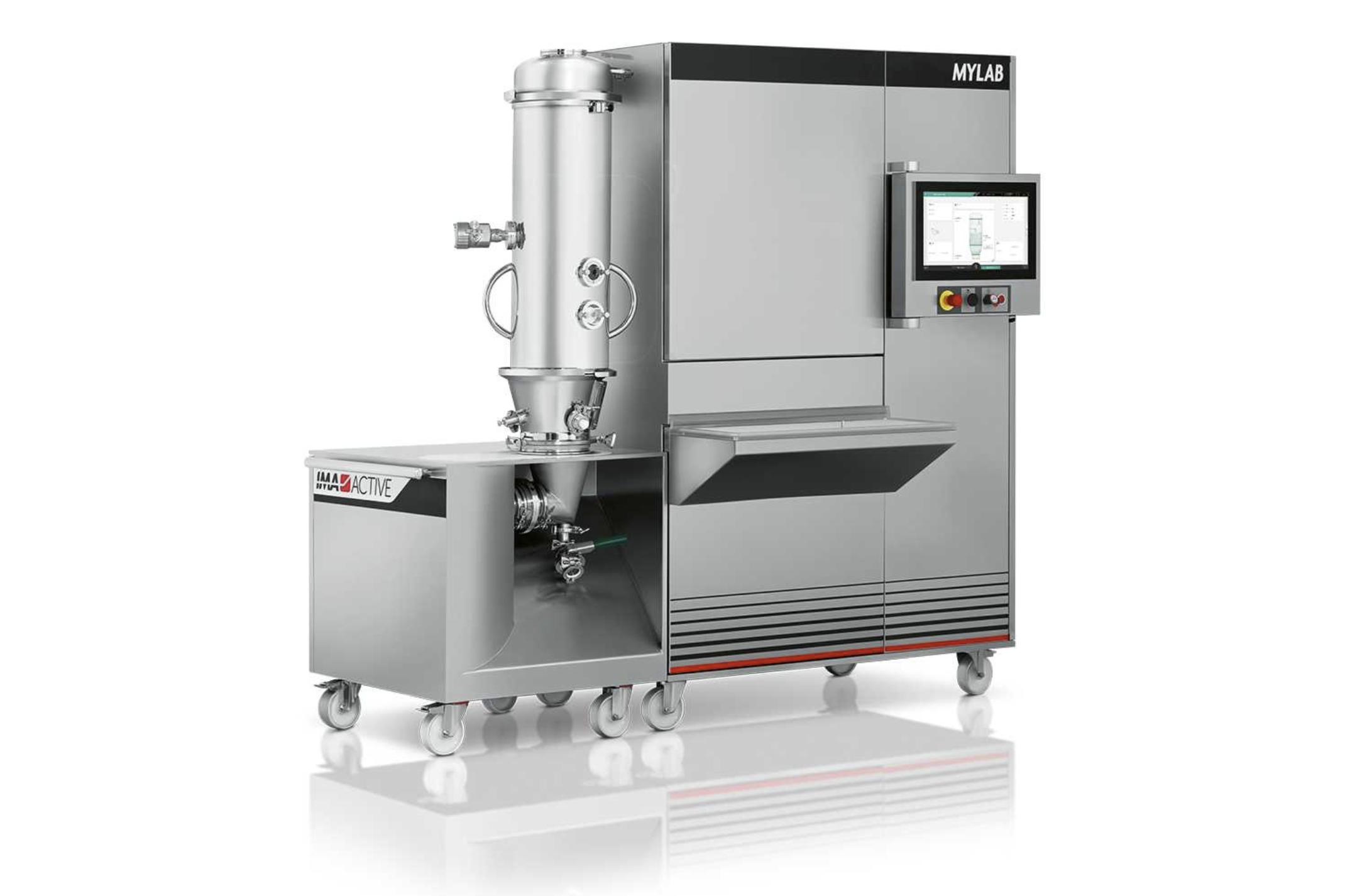
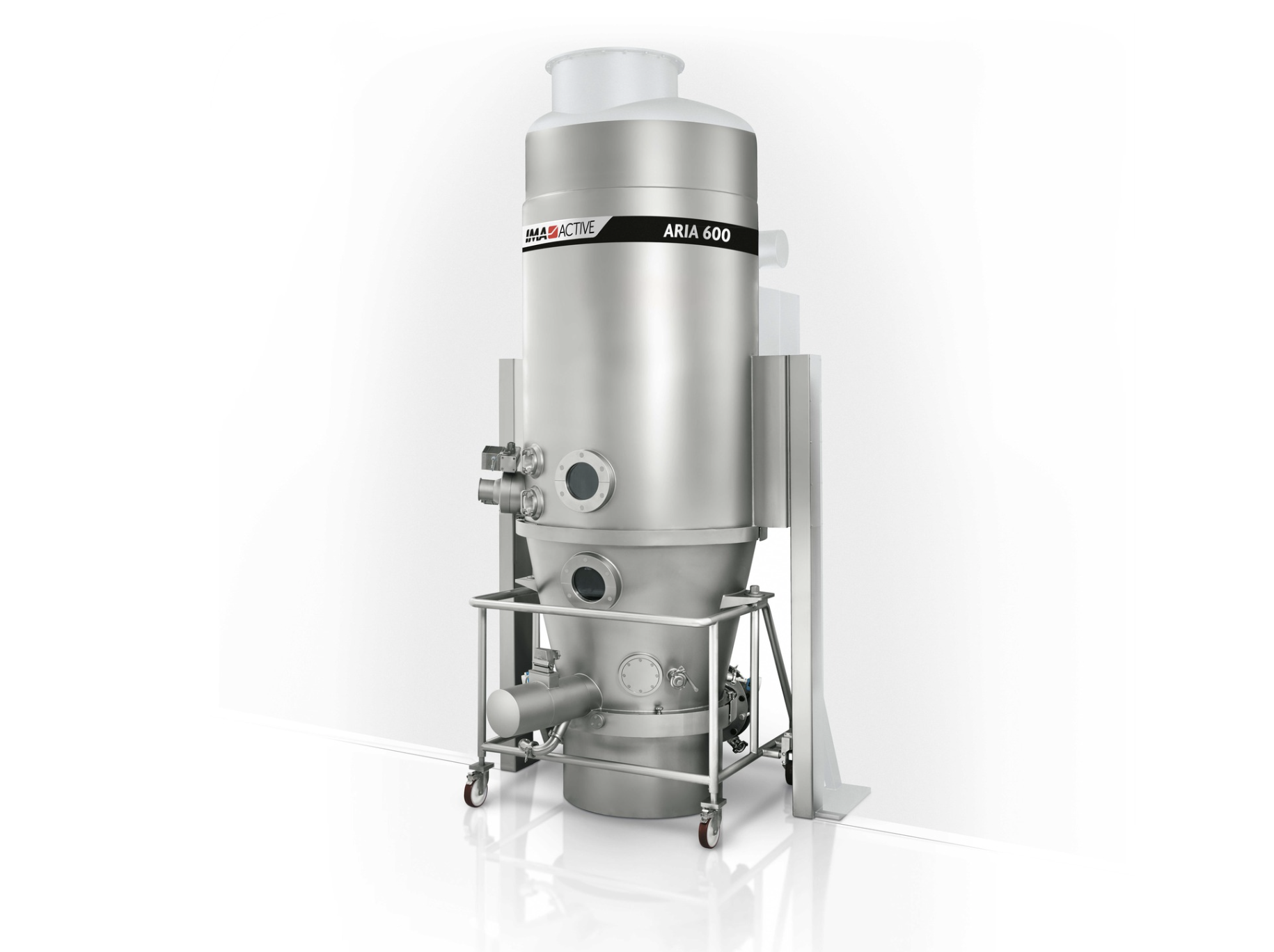
The importance of combining the formulation ingredients and the challenges in evaluating the most critical process parameters for process up-scaling on a fluid bed 900 litres were evaluated. The first step focused on theselection of excipients (maltodextrin used as substrate) enhancing the granule’s consistency and the evaluation of gum arabic concentration in water to act as a binder agent. Subsequently, process development of fluid bed top spray granulation was performed principally aimed at avoiding the melatonin losses and producing agglomerate-free granules suitable for filling sachets. Laboratory-scale fluid bed (MYLAB, product container 3-6 litres) trials were crucial to ensure that the granule met quality and safety standards. Both formulation and process fine-tuning at this stage led to a time-saving, up-scaling process in a pilot scale fluid bed – ARIA 120 (50 kg batch size) – for process parameter investigation and for the new industrial equipment configuration assessment. The phase in which the solution is added in the fluid bed granulation process is a critical step that requires precise control to ensure the desired quality and consistency of the final product. One of the key factors influencing this process is the variability in inlet air humidity throughout the year.
- High humidity levels can lead to excessive moisture absorption by the granulation materials, which may cause clumping.
- Variations in humidity can impact the efficiency of drying processes. In high humidity conditions, drying time may take longer, potentially affecting the uniformity and stability of the granules. Lumps can be also generated.
- Ingredients like chamomile and melatonin can be sensitive to moisture. Excessive humidity may alter their chemical properties, affecting their efficacy and shelf life.
To address the challenges posed by seasonal humidity variations, it was crucial to define the flow rate of the solution being added. Adjusting the granulation parameters by implementing automatic algorithms in the control system (such as interval of minimum and maximum levels in terms of inlet air temperature, solution flow rate and product temperature), was useful in achieving a consistent granule texture and quality. Fine-tuning these parameters ensured that the granules were properly formed and dried, regardless of external humidity variations and with no impact on total production time. Based on the results from the pilot trials, the scale-up to an industrial size fluid bed – ARIA 900 litres – was successfully carried out by adjusting the process parameters with minor changes with respect to the calculated values obtained from the theoretical calculations (Table 1). This allowed us to speed up the manufacturing of chamomile-with-melatonin granules. The 400 kg batch size took approximately 180 minutes in a continuous campaign.
| Process Phase/Parameters | Binder solution addition | Final drying |
| Air Inlet Temperature (°C) | 70 | 70 |
| Air Inlet Flow Rate (m3/h) | 3000 | 3000 |
| Air Inlet Humidity (g/kg) | 5-8 | 5-8 |
| Product Temperature (°C) | 38-43 | 38-43 |
| Liquid Flow Rate (g/min) | 850-1000 | – |
| Spray Pressure (bar) | 5,0 | – |
Table 1: Fluid bed granulation process parameters for chamomile and melatonin granules on industrial-scale equipment (ARIA 900, IMA).
Case study 2 – Product “A” tablet manufacturing
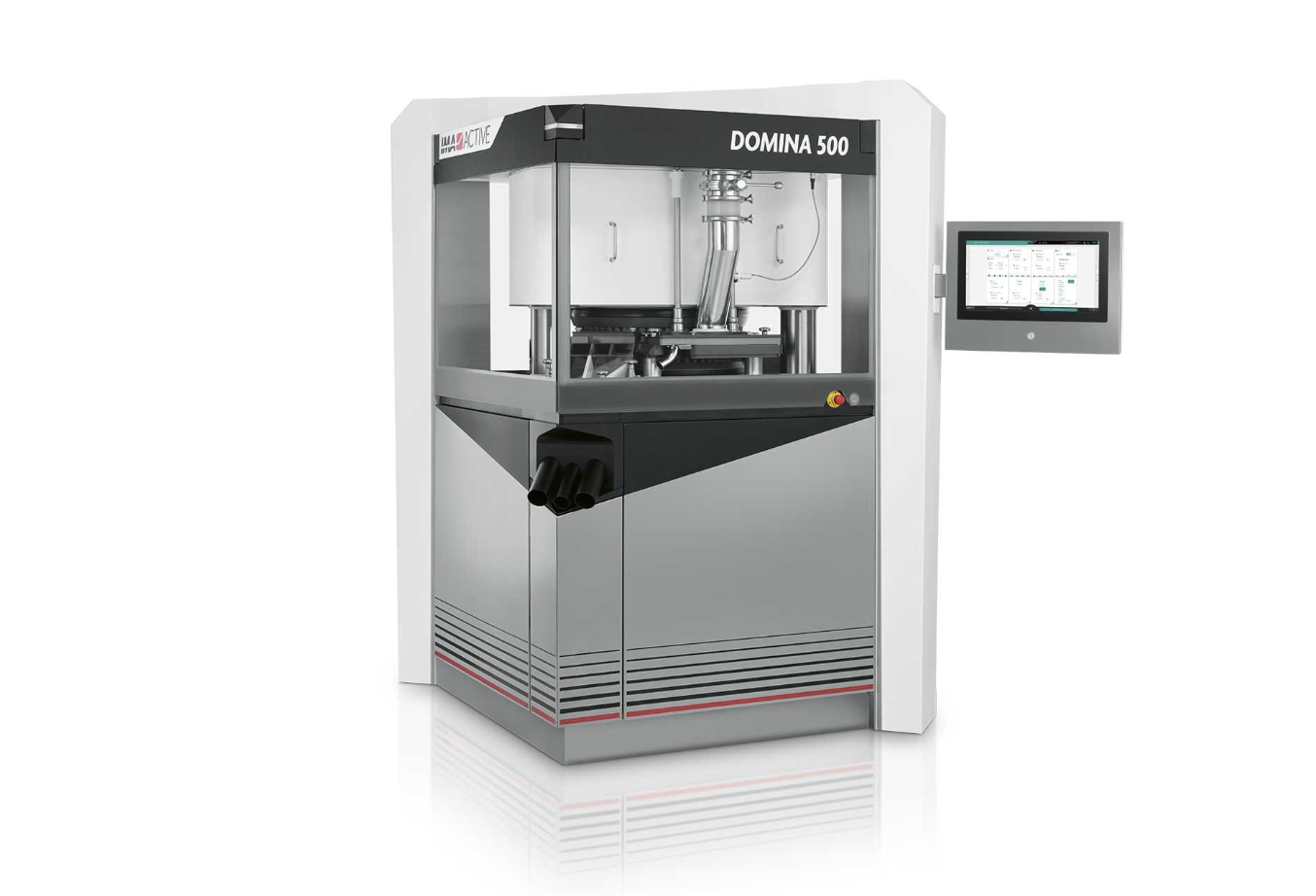
Direct compression is the method studied to obtain two different dosages of Product A (dosage 1, dosage 2). Both blends were compressed with a rotary tablet press – DOMINA (IMA, Italy) – with the aim of establishing best process parameters to fulfil the target set for tablet characteristics. Punches used were oblong with breaking line, feeder chosen was standard as powder flowability was good and tablet press speed was constant and fixed (51,060 tph): the ratio between pre and main compression, compression force levels and upper punch penetration were the focus of the study (Table 2). Tablet weight consistency and tablet strength were the responses investigated to critically evaluate the processes.
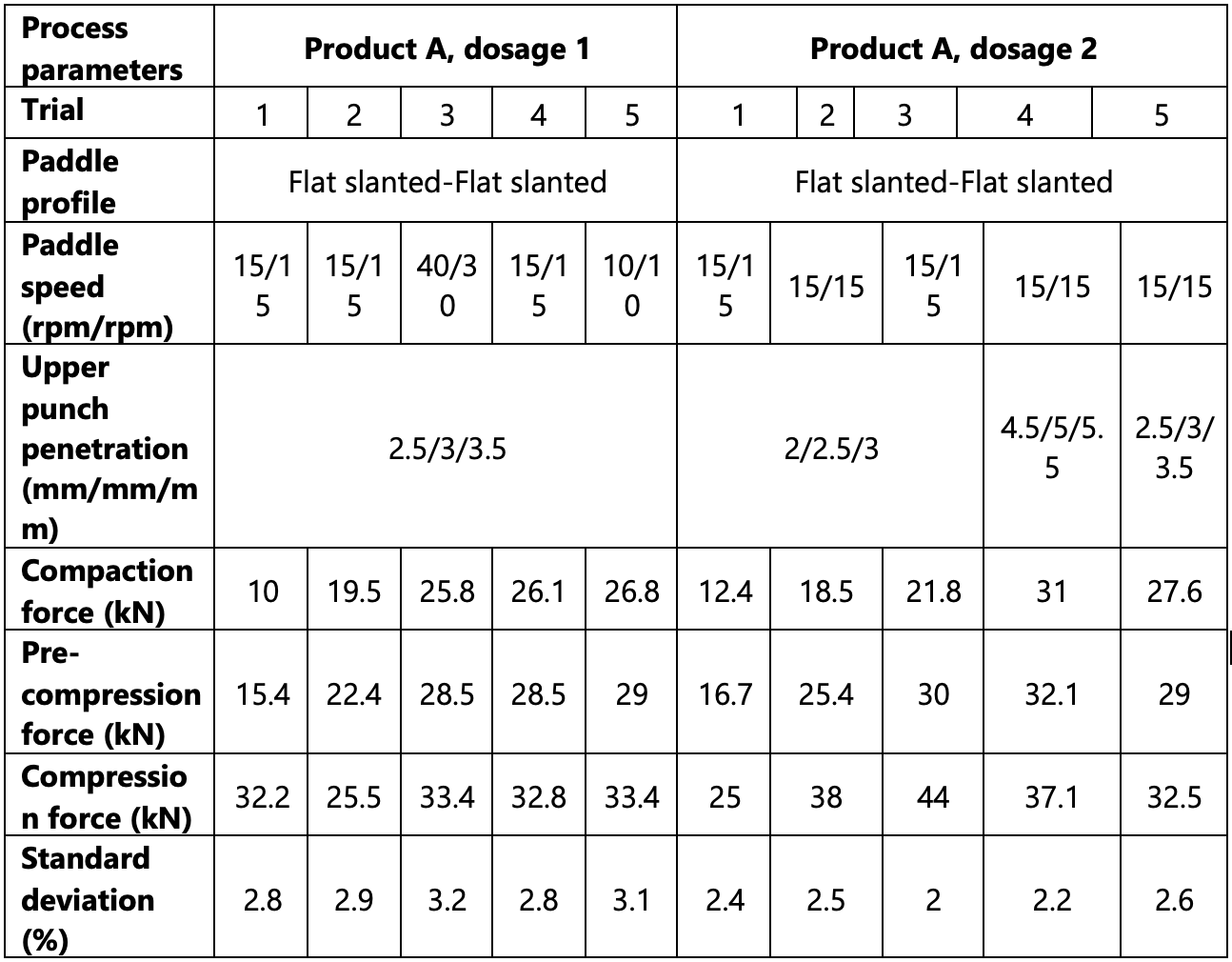
Table 2: Tableting process parameters for Product A (dosage 1 & dosage 2)
Weight (Figure 1) and hardness (Figure 2) of tablets were the most valuable responses to critically adjust the compression process and choose the most suitable tableting process parameters.
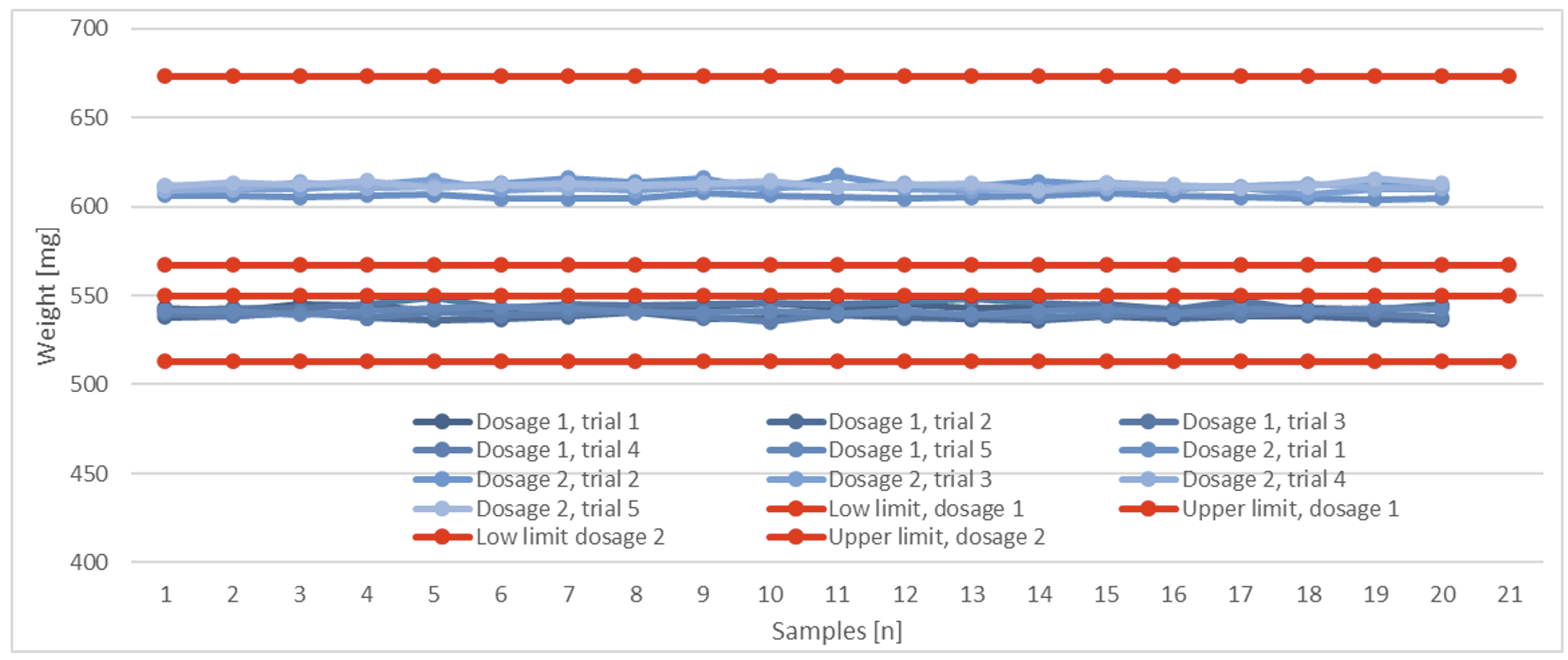
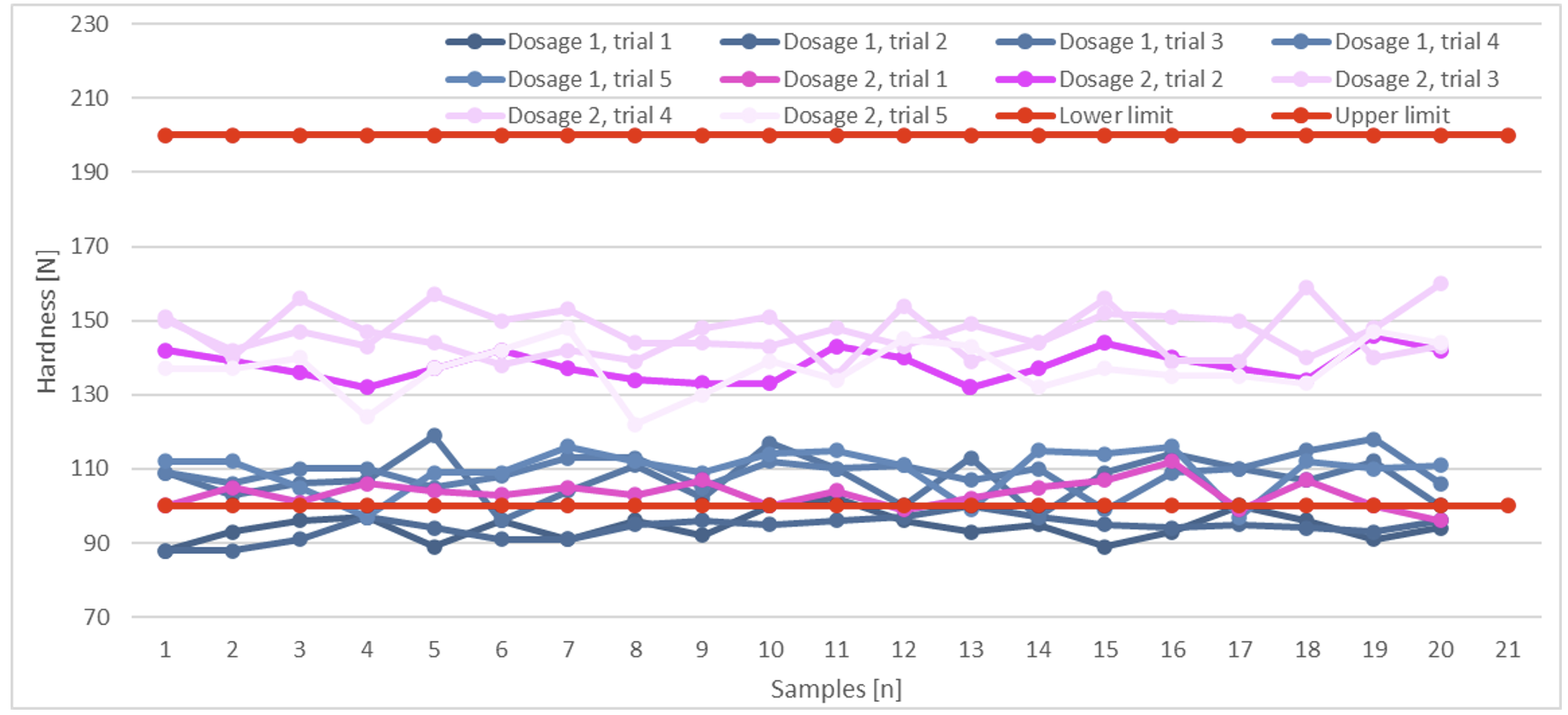
Weight and hardness showed consistency for both dosages: comparable values of compaction, pre-compression and compression forces allowed reaching higher hardness values, in particular for dosage 2.
Conclusions
Insomnia remains a common disorder that affects millions of patients: the multifactorial approaches including pharmaceutical, natural alternatives and sleep education can offer a concrete possibility to control symptoms. Oral solid dosage form manufacturing should meet this wide range of therapeutic approaches: IMA Active Competence Center indeed offers a full service in producing OSDs from laboratory-scale to industrial -scale equipment. By fostering collaboration, expertise, consistent processes and innovation, the possibilities for treating a disease that is widespread among all areas of the population can improve lifestyle quality.
References
- Miller, L. G. (2000). The pharmacology of benzodiazepines and newer hypnotic agents. In: Schatzberg, A. F., & Nemeroff, C. B. (Eds.), The American Psychiatric Publishing Textbook of Psychopharmacology, 3rd edition. Washington, DC: American Psychiatric Publishing.
- Sanger, D. J., & Morel, E. (2001). “The pharmacology of zolpidem: a novel non-benzodiazepine hypnotic.” CNS Drug Reviews, 1(2), 123-132.
- Cheng, J. et al. (2018). “GABAergic system in the pathogenesis and therapeutics of sleep disorders.” Journal of Pharmacology and Experimental Therapeutics, 364(1), 17-25.
- Zisapel, N. (2018). “New perspectives on the role of melatonin in human sleep, circadian rhythms and their regulation.” British Journal of Pharmacology, 175(16), 3190-3199.
- Winrow, C. J., & Renger, J. J. (2014). “Orexin receptor antagonists: a therapeutic approach for the treatment of insomnia.” Current Opinion in Drug Discovery & Development, 7(4), 325-332.
- Yanai, K., & Tashiro, M. (2007). “The physiological and pathophysiological roles of histamine: the effects of antiallergic treatment.” Nature Reviews Neuroscience, 8(11), 921-933.
- Wiegand, M. H. (2008). “Antidepressants for the treatment of insomnia.” Current Neuropharmacology, 6(4), 341-352.
- Cognitive Behavioral Therapy for Insomnia (CBT-I):
- Trauer, J. M., et al. (2015). “Cognitive behavioral therapy for chronic insomnia: A systematic review and meta-analysis.” Annals of Internal Medicine, 163(3), 191-204
- Irish, L. A., et al. (2015). “A randomized controlled trial of cognitive behavioral therapy for insomnia vs. sleep hygiene education in pregnancy.” Sleep Medicine, 16(11), 1403-1410.
- Krystal, A. D., & Edinger, J. D. (2008). “Measuring sleep quality.” Sleep Medicine, 9(S1), S10-S17.
- Sun, H., et al. (2013). “Dual orexin receptor antagonists as novel therapies for insomnia.” International Journal of Molecular Sciences, 14(4), 6543-6560.
- Krystal, A. D. (2007). “Treatments for insomnia in patients with respiratory disorders.” Chest, 131(5), 1690-1699.
- Sateia, M. J., et al. (2017). “Clinical practice guidelines for the pharmacologic treatment of chronic insomnia in adults.” Journal of Clinical Sleep Medicine, 13(2), 307-349.
- Shinomiya, K., et al. (2005). “Effects of valerian extract on the sleep-wake cycle in sleep-disturbed rats.” Acta Medica Okayama, 59(3), 89-94.
- Patel, S., Kaushal, A. M., & Bansal, A. K. (2006). “Compression physics in the formulation development of tablets.” Critical Reviews in Therapeutic Drug Carrier Systems, 23(1), 1-65.
- Repka, M. A., et al. (2008). “Melt extrusion: process to product.” Expert Opinion on Drug Delivery, 5(12), 1357-1376.
- Norman, J., et al. (2017). “A new chapter in pharmaceutical manufacturing: 3D-printed drug products.” Advanced Drug Delivery Reviews, 108, 39-50.
- Lee, S. L., et al. (2015). “Modernizing pharmaceutical manufacturing: from batch to continuous production.” Journal of Pharmaceutical Innovation, 10(3), 191-199.
- FDA (2004). “Guidance for Industry: PAT — A Framework for Innovative Pharmaceutical Development, Manufacturing, and Quality Assurance.”
- Book: Stahl, S. M. (2013). Stahl’s Essential Psychopharmacology: Neuroscientific Basis and Practical Applications, 4th Edition. Cambridge University Press.
- Book: Lemke, T. L., Williams, D. A., Roche, V. F., & Zito, S. W. (2012). Foye’s Principles of Medicinal Chemistry, 7th Edition. Lippincott Williams & Wilkins.
- Book: Bansal, A. K., & Mittal, S. (2016). Excipient Development for Pharmaceutical, Biotechnology, and Drug Delivery Systems. Informa Healthcare.
- Book: Allan, T. W., & Foster, J. (2013). Oral Solid Dosage Forms: Fundamentals, Manufacturing, and Process Development. CRC Press.
- Joseph F. Goldberg, Michael Q. Steinman, Stephen M. Stahl, Trazodone once-a-day: A formula for addressing challenges in antidepressant safety and tolerability, Neuroscience Applied, Volume 2, 2023, 101127, ISSN 2772-4085, https://doi.org/10.1016/j.nsa.2023.101127.


