
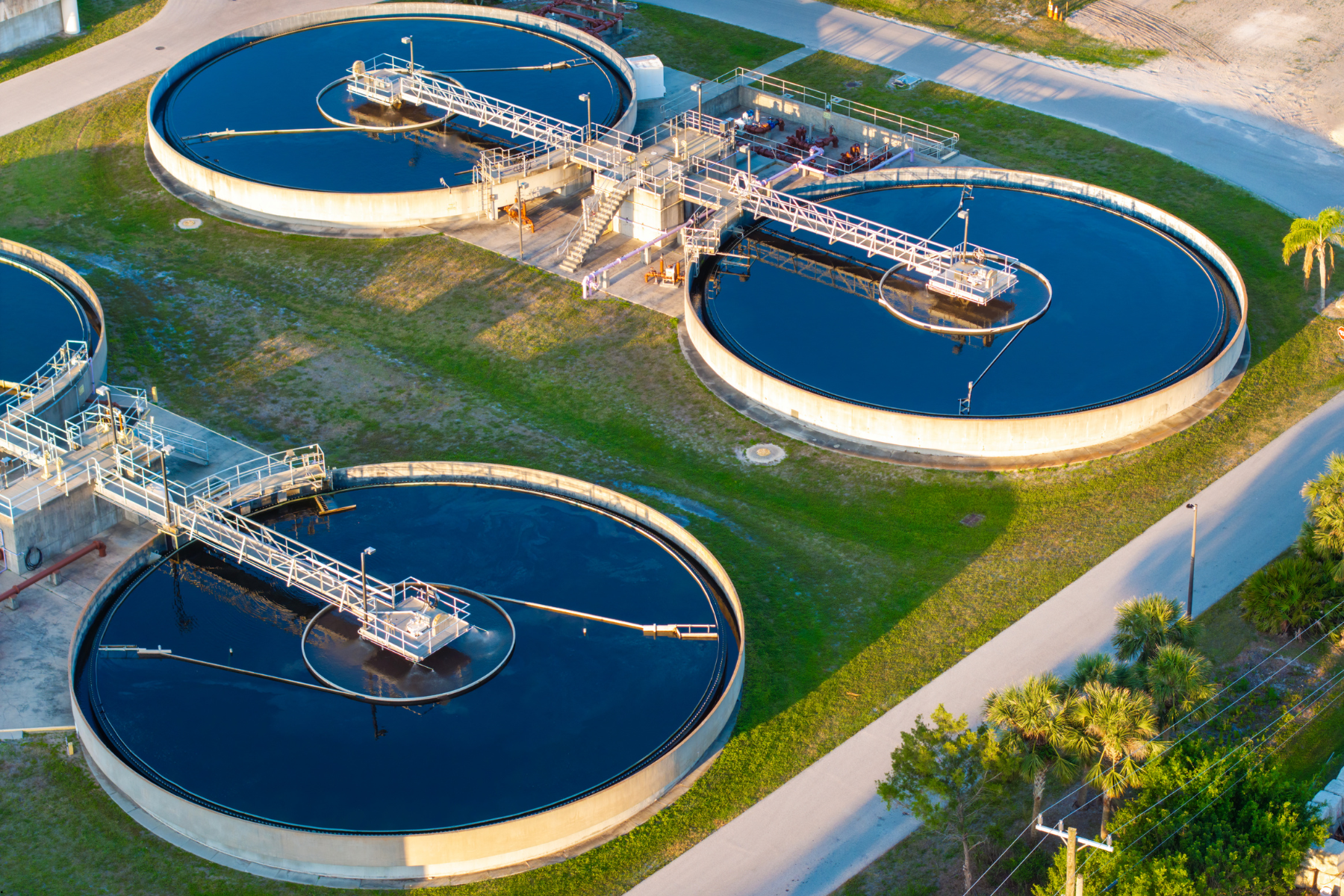
On 18 June, the European Parliament adopted a resolution calling for a new impact assessment and a temporary suspension (“stop the clock”) of the Extended Producer Responsibility (EPR) obligations established under the Urban Wastewater Treatment Directive (UWWTD). The resolution was approved with 294 votes in favour, 245 against and 28 abstentions.
The issue, which has been widely debated and is currently the subject of ongoing legal proceedings, now moves to the European Commission. The Commission will have to decide whether to accept Parliament’s request for a new impact assessment and a temporary suspension of the EPR obligations.
The Parliament’s resolution
The resolution reaffirms Parliament’s support for the environmental objectives of the directive, stressing that quaternary treatment for the removal of micropollutants is essential to protect public health, safeguard ecosystems and address emerging threats such as antimicrobial resistance. However, Members of the European Parliament argue that the costs of advanced wastewater treatment should not fall on taxpayers or consumers but should instead be borne, in a fair and proportionate manner, by the sectors contributing to water pollution.
According to the resolution, the EPR scheme remains the most effective mechanism for implementing the “polluter pays” principle. The key element of Parliament’s vote is the request for the European Commission to produce, by the end of 2026, a new impact assessment identifying the substances present in urban wastewater, verifying the costs of quaternary treatment and the allocation of responsibilities among the sectors concerned, while also assessing the potential impact on the availability, affordability and accessibility of medicines. Pending completion of this assessment, MEPs have called for a temporary suspension of the EPR provisions, the quaternary treatment requirements and the related financial obligations.
Under the current version of the directive, which entered into force on 1 January 2025, manufacturers of pharmaceuticals and cosmetics are required to cover 80% of the costs associated with removing micropollutants, with full implementation scheduled for 2045.
Industry reactions
Medicines for Europe described the vote as “a significant milestone for patients’ access to medicines,” noting that the Parliament’s resolution reflects concerns also raised during the recent EU Health Council meeting. The association once again urged the European Commission to urgently suspend the EPR scheme and launch an independent review of the implementation framework, including its methodology and underlying economic assumptions. According to Adrian van den Hoven, Director General of Medicines for Europe, the vote sends a clear message: Europe cannot jeopardise access to essential medicines for millions of patients on the basis of a flawed methodology.
EFPIA, representing the innovative pharmaceutical industry, also welcomed the European Parliament’s resolution. In a statement, the federation recalled that it has long argued that certain provisions of the directive are inconsistent with the principles of proportionality, non-discrimination and the “polluter pays” principle underpinning EU legislation. According to EFPIA, assigning the costs of quaternary treatment exclusively to the pharmaceutical and cosmetics sectors fails to reflect the contribution of all sources of micropollutants and could negatively affect pharmaceutical supply chains as well as Europe’s manufacturing and innovation capacity


