Home Authors Posts by Giuliana Miglierini

Giuliana Miglierini

208 POSTS 0 COMMENTS

Ireland: RCSI researchers find potential new way to improve treatment for Von Willebrand disease

A new potential way to promote blood clotting in people affected by the Von Willebrand Disease (VWD) has been discovered by a group of Irish researchers from the Royal College of Surgeons in Ireland (RCSI); the results have been published in the Journal of Thrombosis and Haemostasis.

The research was funded by the SFI-Pfizer Biotherapeutics Innovation Award Programme and was aimed to test a modified molecule to verify its effect on the half-life of the clotting protein involved in the Von Willebrand disease compared to the unmodified protein in laboratory models.

The current treatments for Von Willebrand Disease place a heavy burden on healthcare systems and for the patients themselves. Long-acting therapies for the disease have the potential to reduce this burden. While more preclinical testing is need, these are promising early results,” said the study’s lead author Dr Jamie O’Sullivan, a research lecturer within the Irish Centre for Vascular Biology at RCSI.

The results from the Irish group

The research group focused its attention on the A1A2A3 domains of Von Willebrand Factor (VWF), which have been subject to site-directed N-linked glycosylation or conjugation to a 40 kDa polyethylene glycol (PEG) linker. Upon administration to VWF−/− mice, the tested molecules demonstrated the capacity to significantly increase the half-life of the A1A2A3‐VWF domains in a site‐specific manner. 

The three functional domains are involved in the regulation of the in vivo clearance of the Von Willebrand factor mediated by macrophages. The A1 domain is responsible for the modulation of the interaction with the low‐density lipoprotein receptor‐related protein‐1 (LRP1) clearance receptor of macropaheges. PEGylation of the A1 (S1286) and A3 domain (V1803, S1807), in particular, resulted in the attenuation of VWF clearance in vivo, compared to wild‐type A1A2A3‐VWF, and altered the ability of the factor to bind to differentiated THP‐1 macrophages and LRP1 cluster II and cluster IV in vitro. No significant effect has been obtained by N-glycosylation of the A3 domain. Similarly, increased half-life was observed by PEGylation of the A3 domain, while no significant effect came from N-glycosylation of the same sites. 

The Von Willebrand disease

Von Willebrand disease is the most common genetic bleeding disorder, an inherited defect that affects up to 1% of the world’s population giving often rise to mild symptoms. This causes many patients to be unaware of the condition, which can manifest in all its gravity upon the occurrence of a serious injury or the need for surgery. A dysfunctional protein involved in the clotting processes, resulting from the transcription of a mutant gene, is the cause of the Von Willebrand disease; the choice of currently available treatments depends on the diagnosis and severity and include replacement of the defective protein or use of tranexamic acid, desmopressin (DDAVP), or fibrin glue.

The disease is the result of a defective gene inherited both from the maternal and paternal cell lineage, and it affects both women and men. Inheritance gives rise to Type 1, 2 and 3 of the disease, the first two being passed on by just one parent only, the third by both (learn more here).

Symptoms varies among the different types of the disease. A deficiency of VWF in the blood in the range 20%-50% of normal characterises Type 1 disease and gives mild symptoms. These can become moderate in Type 2 VWD (four different subtypes possible, 2A, 2B, 2M and 2N), according to the presence and behaviour of specific multimers. More severe symptoms are typical of the Type 3 WFD, resulting in occasional spontaneous bleeding often occurring into the joints and muscles. An acquired form is also possible, linked to the occurrence of lupus erythematosus, or of autoimmune diseases and certain kind of cancer.

The Von Willebrand Factor (VWF) is an adhesive and multimeric glycoprotein discovered in 1924 by a Finnish scientist, and then cloned in 1985. Its role in haemostasis has been deeply described is several papers, see for example Blood Transfusion and the Indian Journal of Pharmaceutical Sciences. The gene is located on the short arm of chromosome 12 and it generates a 2813 amino acids’ protein (approx. 310 Da). VWF is involved in binding with plasma proteins (especially factor VIII) and in the mediation of platelet adhesion to damaged vascular subendothelium. The A1 and A3 domains bind to fibrillar collagen, and two specific receptors on platelet membrane (glycoprotein GPIbα and the integrin αIIbβ3) are responsible for the adhesion process. The multimers of the glycoprotein forms upon N-glycosylation of monomers. 
The double face surface chemistry of Janus particles

Janus is the name of the Roman god characterised by having two faces, one looking ahead to future and the second back to the past. As a symbol of beginnings, its memory is recalled by the month of January, when the new year starts. He was also the guard of doorways, a characteristic far more closer to the current use of the term to identify a very peculiar type on nanoparticles.

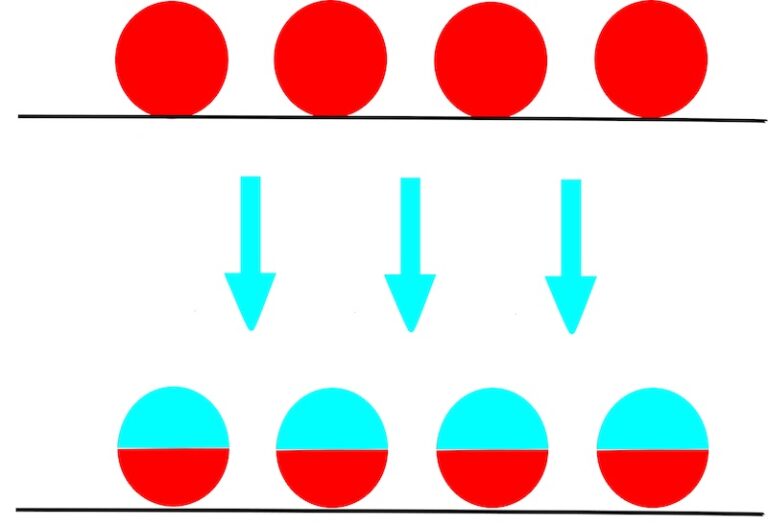
Janus particles (JPs) are asymmetric nanoparticles having two distinct faces characterised by completely different composition, chemical-physical and/or mechanical properties. Their great flexibility in behaviour makes JPs suitable for several applications in the biomedical field, for example for site-specific drug delivery, gene and vaccine delivery, or in imaging and as biosensors. We provide a brief excursus on the chemistry and possible applications of Janus particles.

An anisotropic molecular structure

Anisotropy is the main structural feature of Janus particles, i.e. their characteristics depends on the specific direction from which they are observed (see more on Int. J. Nanomed.). We can imagine a typical Janus particle as sphere having its two halves made of completely different materials, even incompatible ones. As exemplified by the Roman god, one of such particles may present dramatically different properties on its two sides, for example in terms of hydrophilicity/hydrophobicity, polarity, charge, electric or magnetic properties, etc.

Janus particles can also present as nanorods and other geometries, such as dumbbell-like, snowman-like, or platelet-like shapes (see more in Colloid and Polymer Science). More in general, nanocarriers for biomedical applications (including JPs) can also assume the form of block copolymer micelles, liposomes and dendrimers, and different morphologies (i.e., cylindrical, spherical or disk-like; see more in Design and Development of New Nanocarriers).

Three broad subgroups of JPs

The chemistry leading to the synthesis of Janus particles has greatly improved since their first mention in 1991 in the Nobel lecture given by Pierre-Gilles de Gennes. Today, a great variety of materials with different properties can be coupled, i.e. different polymers or metals, lipids, and even DNA and proteins. The main three typologies of JPs include hard (inorganic), soft (organic or polymeric), and hybrid (organic/inorganic) Janus particles. A careful planning of the size, shape and the other properties (i.e.porosity, charge, mechanical properties, etc.) is needed in order to obtain the desired effect, as a change in one of the particles’ properties may affect all others (see more details in Materials Today Bio). 

Synthesis is achieved by a variety of techniques, usually with immobilisation of the core particles on a support and subsequent functionalisation of the exposed half moiety, for example by mean of phase separation, masking, self-assembly, surface nucleation and seeded growth, pickering emulsion formation, microfluidic photopolymerization or electrospinning. 

Examples of polymers used to obtain different loading compartments for selective drug delivery include poly(ethylene oxide) and poly(acrylamide-co-acrylic acid) for one half, and a crosslinked copolymer of dextran and poly(acrylamide-co-acrylic acid) segments for the other. The environmental sustainability of Janus particles can be pursued by the use of biocompatible raw materials to build the nano-constructs; polysaccharides such as chitosan, alginates, pectin, cellulose and heparin are some possible examples of biogenic materials undergoing natural biodegradation, as well as polypeptides. Other possible biocompatible and biodegradable materials are poly(lactic acid) (PLA), poly(lactic-co-glycolic acid) (PLGA), and polycaprolactone (PCL).

The formation of lyotropic liquid crystalline compartments, or lipid regions with different geometries (e.g. cubic vs diamond-cubic or hexagonal) are other possibilities for the formation of JPs. Heavy metals and their oxides are often used to produce inorganic Janus particles; this sort of materials (e.g. Au, Ag, Cu, Pt, Ni, Yb, Tm, Fe3O4, NaGdF4, mesoporous silica) can also be functionalised with antibodies or mRNA. Mixed polymers-inorganic JPs are also possible, offering the advantage of a better control of their anisotropic growth. They are used, for example, as theranostic agents, i.e. coupling a therapeutic and diagnostic moiety on the same nanoparticle.

The peculiar characteristics of Janus particles may be also used to favour their recovery and recycling after use. If centrifugation and filtration appear to have a limited application, far more useful is their recovery by interaction with magnetic fields, in the case of nanoparticles made of ferromagnetic materials. Immobilisation on inert or enzymatic supports are other possibilities to enhance recycling. 

Applications in drug delivery

The targeted delivery of combined therapies is one of the possible examples of application of Janus particles in pharmaceutics. The same particle can be loaded, for example, with a hydrophilic API on one side and a hydrophobic API on the other, thus enabling dual release patterns dependent on the specific local conditions at the desired sites of action, or on the independent release kinetics of the two drugs. A typical example is the combination in the same JP of paclitaxel and doxorubicin, or doxorubicin and ibuprofen.  Depending on the materials used to build the compartments, drug release may be activated by pH changes, ionic strength, heat or irradiation with UV or near infrared light, for example. Inorganic Au-Ni Janus nanorods have been studied also for the non-viral delivery of genes and vaccines. 

Furthermore, if one half of the particle is loaded with an imaging dye, then it is possible to follow the on-site release of the pharmaceutical active ingredient by mean of nuclear resonance (NMR), tomography  (TAC) and other diagnostic technologies. 

Nanomotors made up of Janus particles are another type of construct with many potential applications in the biomedical field, as they may be guided by light or magnetic fields to the desired body compartment to deliver their action, and then even undergo self destruction to biocompatible substances. 

According to the IJN article, very few examples are available up to now of studies on the in vivo properties of Janus particles. In 2009 for example, reports an article in Current Pharma Research, a bio-hybrid material with spatially controlled affinity towards human endothelial cells was synthesised showing the ability to associate all around the perimeter of cells forming a single particle lining. 2-dimethylaminoethylamino methacrylate (DMAEMA) and monodispersed poly(2-hydroxyehtyl methacrylate) (PHEMA) have been used, for example, to produce Janus particles of different morphologies using seeded emulsion polymerization. The dumbbell-like and snowman-like nanoparticle were then further investigated as possible simultaneous carriers of ibuprofen and doxorubicin (see more in Colloids and Surfaces B: Biointerfaces).

The industry asks for a mutual recognition agreement between the EU and UK

The final date for the Brexit, 31 December 2020, is approaching, but the negotiations to close a trade deal and fix EU’s interactions with the UK as a third country are far to reach an end. According to the BBC, hot areas of discussion include the rules of competition, fisheries and the future role of the European Court of Justice.

In the pharmaceutical field, the transition is cause of great concern due to the possible failure to close the deal in time. A joint letter to the EU institutions signed by all the European industrial associations representative of the sector, including the European Federation of Pharmaceutical Industry Associations (EFPIA), Medicines for Europe, the Association of the European Self-Care Industry (AESGP), Europa Bio, Vaccines Europe and the European Confederation of Pharmaceutical Entrepreneurs (EUCOPE), was published in mid-June to request a more pro-active approach to solve the situation in time. 

The pharmaceutical and biotechnology industries are doing everything in their power to prepare for all scenarios and need the support of the European Union to ensure that we can fulfil our promise to the patients who we serve. In such challenging times, and in view of the upcoming negotiating rounds, we hope that you are able to eliminate additional complexities and favour cooperation and close dialogue, based on international definitions”, wrote the associations.

Mutual recognition to support resilience and competitiveness

From the industrial perspective, an imperative target to be included in the final deal is represented by a Mutual Recognition Agreement (MRA) between the EU and the UK, which would represent an important tool on the short term to manage the changes needed as a consequence of the Brexit, thus avoiding the risk of disruptions in the pharmaceutical supply chain across the two side of the Channel. Another possible consequence on a longer time frame is a decreased competitiveness on the global scenario of both the EU and UK hubs for life sciences. 

The joint letter also highlights the great effort the entire sector made since 2018 to prepare for the worst-case scenario of a no-deal Brexit in accordance with the indication of the EU authorities. This effort has been further complicated by the recent Covid emergency, which saw the closure of borders far more extended than just with the UK. This experience has highlighted some critical points to ensure the continuity of the supply and access to medicines at the European and global level; the lessons learnt and the suggestions of the pharmaceutical industry to improve the resilience of the sector for future needs has been addressed by some other position papers and studies released by the industrial associations (see the Politics & Business article in this Newsletter). 

What to include in the MRA

The joint letter focuses the priorities of action on ensuring the future alignment of the collaboration framework between the EU and UK with respect to the management of regulatory processes and the import/export of medicinal products. The preferred tool to reach this target is a Mutual Recognition Agreement to be signed, in a similar way to those already existing with other third countries such as the US. Important pharmaceutical operations to be included in such MRA are batch and import testing, GMP inspections and CE-marking of medical devices and technologies. 

According to the associations, such an MRA might be negotiated and signed between the two parties outside of the ongoing high-level political trade talks, for example through a direct, strong dialogue between the interested regulatory authorities (the European Medicines Agency and UK’s Medicines & Healthcare products Regulatory Agency, MHRA).

Another request coming from the industry calls for simplified and rational rules of origin, based on common, defined chemical, pharmaceutical and biotechnology processing activities. This should also be paralleled by the availability of smooth import clearance processes at customs, in order to avoid delays in the delivery of sensitive goods.

Three different scenarios under the lens

A report more deeply analysing the possible quantitative impact of the EU-UK future trade relationship under three different scenarios (no-deal, a simple free trade agreement (FTA) with tariff reductions across all sectors, and an FTA plus MRA for GMP and batch testing) has been published in July by EFPIA. All assumptions have been made versus the current economic and trade policy situation, using GTAP data referred to 2018.

According to the report, the UK is currently characterised by the lower importance of sourcing pharmaceutical products from other EU countries (10%, vs 15% EU27 average), and the higher home inputs with respect to the value of the final production (79%, vs 62% EU27 average).

The first scenario examines the hypotheses no agreement is reached in time between the UK and the EU, thus the WTO rules would apply starting from 1st January 2021. A simple free trade agreement would allow for the removal of all tariffs on goods trade for all sectors under the second scenario, an hypothesis considered realistic by the report. The third one considers non-tariff measures (NTMs) to be also included in the FTA, such as regulatory cooperation on GMP, inspections and batch testing through the tool of a Mutual Recognition Agreement. 

Under all the three hypotheses, the UK pharmaceutical sector would be more affected by the Brexit than the EU’s one, due mainly to the different size of their respective markets. The value created in the EU for each unit of medicine sold in the UK would fall from the current 45% to 40% in case of an FTA with MRA, and to 35% in case of no-deal exit. The UK value-added share in the EU would drop from 5% to 3% in case of no-deal, to 4% with an FTA+MRA.

At the macro-economic level, the mutual recognition agreement would represent the better option for both the parties, as it would exert a minor negative effect on GDP, exports and production and less pressure on costs. Furthermore, it would support competitiveness with reference to the US, Japan, Switzerland, and China. The inclusion of the MRA would also increase EU’s annual exports (+€1.1 bln/year) and pharmaceutical production (+€1.0 bln/year) compared to a simple FTA. The European nominal GDP will be €1.3 billion higher annually with an FTA+MRA, compared to a no-deal, an occurrence that would see also a decrease of EU pharma exports of 1.2% (0.9% in case of an FTA with MRA). Ireland, Germany and Belgium would be the most affected countries. 

From the UK perspective, an FTA+MRA would result in a nominal GDP loss of €2.5 bln per year compared to no-deal, corresponding to a drop of 12.6% of pharmaceutical exports (vs 22.5% with no-deal). The losses in the value of production would range between € 236-621 mln/year under the three scenarios, respectively.

Lessons learnt and preparedness for the second-wave pandemic

The status of the Covid-19 pandemic at the end of August tells about a situation under control in Europe, even if some new, localised cases are reported in several countries. The infection appears to be far more active in the US, with 6 million cases and many States reaching their records (see latest updates at the Worldometer). 

While the experts of the World Health Organisation are planning a scientific mission to China to identify, together with the Chinese institutions, the zoonotic source of the Sars-CoV-2 virus, the role of animal reservoirs and the route of transmission to humans, the main European associations representing the pharmaceutical industry published some documents discussing the impact of the first round of the epidemic and the lessons to be kept in mind in view of a possible second wave.

How to prevent shortages of critical intensive care medicines

The main message from the Joint statement released at the end of June by Medicines for Europe and EFPIA in collaboration with Kearney is for the pharmaceutical industry to seek for a direct collaboration with national governments to jointly plan for a potential second Covid-19 outbreak.

The winter and spring crisis put under great pressure the production of several classes of medicines required to treat Covid patients, i.e. sedatives, analgesics, vasopressors and neuromuscular blockers to be used in intensive care units (ICU) in conjunction with mechanical ventilation. 

Neuromuscular blockers have emerged from the study as a potential point of criticality in view of a possible second wave of the disease, expected to occur in autumn. The analysis focuses on three different scenarios (best, base and worst case, respectively) and addresses the possible demand for critical intensive care medicines to identify how to better prevent possible shortages. The study is based on a model to estimate the demand of critical medicines, on the basis of a prudential overestimation hypothesis of the possible new Covid cases and using the number of reported deaths per country to run estimation (data to 21 May 2020). Other assumptions include the impossibility to reach herd immunity, the activation by governments of the same type of response than during the first outbreak, a similar pattern for the spreading of the infection, a request of critical medicines referred just to Covid-19 related deaths occurring in ICUs and a reduction of the number of daily deaths around 28-days post-lockdown. 

The number of deaths has been estimated to be -50%, the same or +50% under the three different scenario, with respect to the first wave. This corresponds to a projected numbers of new ICU patients in the period October 1st – November 30th 2020 of, respectively, more than 33,000, 66,000 and 99,000 cases. The UK, Belgium, Sweden, Italy and France are the countries expected to experience the higher numbers of new ICU patients, but with the advice to less affected countries in the first wave to prepare for a potential second occurrence of the epidemic. Among the factors to be considered by governments to this regard is also tourism, both within the country and related to returning citizens. 

Kearney also compared the demand of critical medicines against supply under the different scenarios, resulting in the advice for governments to use the summer to restock their supplies and taking also in consideration that the industry would not be able to scale up supplies as done during the spring’s months. Even if shortages are considered unlikely to occur during the summer, this possibility has to be kept in mind for the autumn. APIs to manufacture neuromuscular blockers and sedatives are considered to pose some potential challenge, mainly referred to the short-term supplier capacity, the committed volumes or the own use made by the supplier. As already occurred during the first wave, bottlenecks might occur due to capacity constraints. 

Lessons learnt according to the generic industry 

Generics manufacturers have been greatly impacted by the first outbreak of Covid-19, as many medicines used to treat patients under the different therapeutic protocols developed between February and May 2020 were off-patent. Medicines for Europe has published a report discussing the experience gathered month after month and the lessons that may prove useful to better handle a possible second wave. 

Manufacturing contingency plans to avoid the risk of supply chain disruptions and the request of a greater regulatory flexibility characterised January and February, while March saw the first outbreak in Italy corresponding to the surge in the demand of ICU medicines for patients on ventilation. The crisis of supply was made worse by the closure of the borders across European countries, resulting in a major breakdown of the European generics’ manufacturing and distribution supply chain and in the request for transport green lanes made by the industrial associations. The new safety measures introduced to protect workers, and hoarding practices observed in some countries are other factors that impacted on the regular provision of medicinal products. While the first wave reached its maximum in April, Medicines for Europe’s hospital ICU medicines project was granted a special ruling under the EU competition law to better respond to the population’s needs. In May, finally, the pandemic started to slow down and it was possible to run the first assessments in order to prepare to new future outbreaks. 

With this regard, manufacturing contingency plans should be always in place to promptly face the surge in demand according to Medicines for Europe. From their part, governments should ensure the pharmaceutical supply chain logistics is exempted from lockdown and other control measures; close cooperation between all the stakeholders and regulatory flexibility is also needed to avoid shortages. Another important target is represented by the need to reinforce the competitiveness and resilience of the European pharmaceutical and API manufacturing sector. Medicines for Europe also requests a fit-for-purpose regulatory and market framework to facilitate the repurposing of already authorised medicinal products to face new emergencies. 

The recommendations for the future

The availability of an EU epidemic/pandemic preparedness plan to address future communicable disease risks is considered important by the generic industry association. The plan should be coordinated by the EU Commission and see the collaboration of member states, EMA and the European Centre for Disease Control (ECDC) on the technical field, and of the industry with reference to supply chain risks and sudden demand surges.

The role of EMA and the ECDC should be also optimised through structural reforms aimed to strengthen their competencies. The creation of a permanent Supply Committee at the EU level under the supervision of DG Santé is also envisaged to pro-actively respond to major supply disruptions. A single EU definition of shortages and a single reporting system should these occur is another suggestion made by Medicines for Europe, together with a better coordination of the epidemiological forecasting and the collection of data from medicine societies and hospital pharmacists in order to facilitate the scaling up of manufacturing when needed. 

Many suggestions aim to improve the European pharmaceutical strategy, including among others the introduction of resilience criteria in procurement, reimbursement and state aid policies, and a better integration of API in the regulation of medicines. Investments would be also needed to strengthen the value chain and to support R&D while safeguarding competition and equitable access policies.?

A more frequent use of the 0 Day mutual recognition procedure (MRP) and an increased flexibility in labelling of medicinal products are among the request in the regulatory field. The use of notifications instead of variations to manage some dossiers’ changes and the expansion of digital tools are other suggestions made by Medicines for Europe. Digitalisation should include, for example, the creation of a common repository for all medicinal products via SPOR data management supported by a Target Operating Model (TOM), and the availability of a telematics infrastructure to support a centralised mechanism to monitor the entire value chain through interconnection of SPOR and EMVO-NMVs. The possibility to accept a reference product from jurisdictions other than the EU would allow for a single global development for generic medicines.

Many are also the options to improve the sustainability of the pharmaceutical expenditure according to Medicines for Europe, a particularly important feature to be considered in times of economic crisis. Among the recommendations in this area are the support to multi-source market competition at patent expiry rather than government mandated price cutting policies, the use of MEAT criteria and multi-winner procurement practices and tendering procedures encouraging a broader participation, and recognising the impact of the risk/reward balance on the continuity of supply. The governments are asked not to continue in the application of austerity measures that greatly affect the supply of off-patent medicines. Continuity of cure should also pass through the care of noncommunicable diseases (NCD), to be pursued in collaboration with the industry to better coordinate demand and supply of medicines. 

The technological agenda of the next EU Council’s presidencies

This content is password-protected. To view it, please enter the password below.

Consultation open on the new Pharmaceutical Strategy

This content is password-protected. To view it, please enter the password below.

Qdots and the new era of precision electronic medicine

This content is password-protected. To view it, please enter the password below.

Belgium: Covid effect on freelance QP and RP-GDP activities

This content is password-protected. To view it, please enter the password below.

Latvia’s new Medicines reimbursement system and Medicinal Products Register

Shortages of medicines and disruption of the supply chain have become more frequent in recent years for various reasons, greatly affecting the health of patients unable to access the treatments they need. The issue has been faced both centrally by the European Medicines Agency and European Commission and locally by single governments and national competent regulatory authorities, those last implementing  local measures to reduce the impact on public health, improve access and rationalise the use of medications. 

This is also true for Latvia, where from 1st April 2020 a new system for the prescription of reimbursed medicines has been implemented based on the use of international non-proprietary names (INN) of the active ingredients.

The main features of the new system

Latvia’s new system reflects indications by the World Health Organisation and the Organisation for Economic Cooperation and Development. Medical doctors must prescribe just indicating the INN name of the active ingredient instead of the brand name; community pharmacists are obliged to dispense lowest price’s medicines of equivalent therapeutic efficacy to patients. Doctors are left a 30% free choice to prescribe branded pharmaceutical products, provided they justify it from the medical point of view. The same type of procedure has been already implemented by Estonia and Lithuania, as well as other EU countries like Germany, Finland, Netherlands, Denmark, Sweden and Greece.

The new law innovate the previousProcedures for the Reimbursement of Expenditures for the Acquisition of Medicinal Products and Medical Devices Intended for the Outpatient Medical Treatment” dated to 2006. The new system is expected to improve access to medicines for low income patients. Local health authorities worked also to ameliorating the IT infrastructure needed to support doctors with the prescribing procedure; patients are expected to continue treatment with their already in use drugs in 85% of cases. The announcement of the activation of the new modalities for prescription also caused a price rebate for 250 medicinal products in Latvia’s market. 

The transition has been supported by many informative materials for doctors and pharmacists, both in paper and electronic format, while the campaignKnow and Don’t Overpay” was launched to inform the general public. Out-of-patent medicines represents 74% of total consumes in Latvia in years 2018-2019 (SAM data). The local total market amounted to € 411,3 million in 2018 (43% unbranded products) and € 472 million in 2019  (41% unbranded). 

The Medicinal Products Register

Latvia’s State Agency of Medicines (SAM) manages the Medicinal Products Register, listing all medicines available in the internal market (it is accessible online at this link). The Register represents a transparent data tool to be searched upon active ingredients; it also includes information on the availability of different dosage forms of a certain product. The information is gained through the reporting of remaining stock wholesalers are obliged to daily transmit to SAM in order to monitor national inventories, identify risks of non-availability and prevent artificial inaccessibility of certain medicines (see the “Procedures Regarding the Distribution and Quality Control of Medicinal Products”). 

Marketing authorisation holders (MAHs) are also requested to report about shortages; pharmacies, hospitals and even the general public can forward a notification should a drug not be present on the market. All information is available on the dedicate webpage. The daily update of the Register allows to better forecast procurement for the internal market on the basis of actual data and demand, to identify points needing attention and/or activation of additional mechanisms, to control artificial shortages and gain insight of medications being exported. 

Even if all MAHs have a duty to report and are aware of this, also those that do not have a local office in Latvia, not all MAHs fulfill this duty. Therefore, the system still suffers some operative issues, also due to some medications present on the market and which lack competition, thus making more difficult the prediction of shortages. SAM released a note for MAHs to clarify the notification has to be submitted to the Agency at least two months prior to the supply disruption or discontinuation of a medicinal product. According to SAM the situation refers to the case none of the local wholesalers are able to purchase a medicinal product. With reference to products included in regulatory enactments regarding the procedure for reimbursement of expenses for the purchase of medicinal products and medical devices intended for outpatient treatment, Latvia’s legislation establishes that said list of reimbursable medicinal products cannot be delivered within 24 hours and within 48 hours for other medicinal products. Artificial unavailability refers to the case a pharmaceutical wholesaler refuses to supply a particular medicinal product even though this is in stock at that time, or to the situation a pharmacy did not request the specific medicinal product from the wholesaler where it was available.

Pharmaceutical companies have to submit the notifications even in case the date of possible shortage is not known or cannot be estimated; the approximate date can then be updated through an additional notification. Detailed information on procedures for the notification can be found on the dedicated page of the SAM website; here is the link to access the module template to be used for the notification.

Easy of search for improved transparency

The search engine of the Medicinal Products Register lists products according to different categories (see here more):

  • KZS L” indicates the lowest price product among those of equivalent efficacy and reimbursed (KZS) by the National Health Service;
  • KZS L1-L5” lists the following cheaper medicines with respect to reference product (KZS R) or lowest price product of equivalent efficacy;
  • a white X on red background indicates the medicine is not available from wholesalers and cannot be dispensed;
  • a white X on green background indicates the product is available.

The tool provides also information on the presumed date of availability.  An e-mail address is provided to forward any suggestion on how to ameliorate the system: info@zva.gov.lv.

The following screenshots are an example of the information that can be obtained from the Latvia’s Medicinal Products Register (access here the corresponding webpage).

How the pandemic will boost digital transformation

The industrial digital transition leading to automated, connected and integrated manufacturing and supply chains is nothing new, as the new paradigm centered on the pervasive use of the Industrial Internet of Things (IIoT) and other enabling technologies is active since the beginning of the new century. 

The new element introduced by the Covid-19 emergency is represented by the boost the transition received due to the lockdown, and the consequent need to move many activities to remote. Smart-working has become a “new normal” in many instances, and social distancing impacted also on how the different operations are run in the industrial facilities. This trend of innovation is expected to compress in the next 18 months what would be normally done in five years, according to an article by Anna-Katrina Shedletsky published on Forbes. 

Companies are called to plan great investments for the digital transition, focusing on the creation of data-driven teams and IT infrastructures while leaving the legacy ERP managemet systems. The Boston Consulting Group suggests from its website to dedicate around 10% of AI investments to algorithms, 20% to technology, and 70% to business process transformation.

The new approach is not limited to Western economies: emerging countries are also investing in smart industrial technologies to maintain and increase their competitive potential, as acknowledge for example by the policies based on Industry 4.0, 5G and IoT the Vietnamese government put in place (see here the Vietnam Investment Review). 

Cloud systems to manage data

Cloud data storage is an enabling technology fundamental to manage from remote the great mass of data generated within the smart manufacturing sites and transmitted to the central Manufacturing Execution Systems (MES) and Warehouse Management Systems (WMS) by the capillary network of sensors, barcodes, RID tags, smart-gates reader systems, Real Time Localisation Systems (RTLS), smart devices, etc. 

A supposed lower security of data stored in Cloud systems would have represented the main barrier to the full implementation of this technology, says Shedletsky. This is expected to fall very rapidly, allowing for the full integration of data in a single repository along the entire supply chain, from where to monitor all internal and external activities from remote. Under the new perspective, thanks to data analytics it will become easier to identify and solve in real-time any issue arising in the production lines, plan inventories and maintenance activities and track in detail shipment and delivery of raw materials, APIs, intermediates and final products. 

The adoption of integrated digital manufacturing technologies shall prove critical with respect to the ability of delivering robust regulatory evidence and authorisation dossiers in the highly regulated pharmaceutical sector. Data integrity is becoming a central requirement, that can be easily handled thanks to smart manufacturing modalities able to capture and safely store data along every step in the product’s life cycle. 

An example of the Cloud potentiality in the R&D contest is represented by Benchling, a Cloud centralised platform developed by MIT’s student Sajith Wickramasekara to automatically track interlink related data, such as genetic sequences, cell lines, reagents samples, results, and experimental conditions. Data can be then elaborated to produce reports and exported to files to be used for regulatory purposes just in few days. Named by Forbes among the Next-Billion Dollar Startups, Benchling has just closed a new round of investment during the pandemic, for a total funding of $114 million and an overall valuation of $850 million.

How to overcome issues with social distancing and procurement

The pharmaceutical manufacturing cycle is already greatly automated, thus the impact of social distancing is not expected to be very relevant. Different might be the case in the administrative departments, or in other industrial sector (i.e. electronics) where human working was up to now more convenient than automation. The request to increase distance between operators may lead to new investments in automation to become a valuable option, according to Shedletsky. Many people that experienced the benefits of home working during the pandemic may also prefer to continue with this flexible modalities, leading to less workforce going back to physical workplaces.

The implementation of AI-based smart manufacturing sites may help solving the critical issue of APIs’ procurement from low cost countries (i.e.China and India), that greatly impacted Western’s pharmaceutical productions during the Covid-19 epidemic. A complete rethinking of the supply chain and the availability of “reduntant” manufacturing sites is becoming something worth to reason on, suggests the Boston Consulting Group. The final goal is to increase the company’s value chain through 24h/7d integrated manufacturing over multiple locations, so to respond to the increased request of “personalised” products. This is also true in the pharmaceutical field, there the 4P medicine paradigm and the advancements in gene editing and other biotechnological techniques is generating new “tailored-made” therapies requiring industrial capacity for small batch manufacturing. 

According to the Boston Consulting Group, the ability to rapidly scale up AI-based manufacturing systems will represent a critical factor to face the many uncertainties resulting from the Covid-19 crisis, including disruptions in operations and supply chain and changes in consumer priorities. The extensive use of AI to analyse data shall support better forecasts’ predictions and real-time decision-making, allowing for a greater flexibility of resources and improved cost efficiency along the entire value chain. The future may see a greater number of smaller productive plants located closer to the final customers in the different geographic areas. 

The current situation

The European Union has greatly invested in the digital transition, as confirmed by its new Industrial Strategy, and it represents the leading geographic area (51%) in the implementation of AI in manufacturing operations, followed by Japan (30%) and the US (28%). 

Maintenance (29%) and Quality (27%) are the main areas of AI application in the industrial contest, according to a report from Capgemini. Production (20%) and Product engineering/R&D also see a good penetration of enabling technologies, while supply chain management appears to be far behind (8%). Deep-learning based on data from previous machinery’s failures coupled to real-time process monitoring through sensors is at the core of AI-based planning of maintenance activities. Computer vision systems are able to analyse the single items moving along the production chain, selecting the low quality ones to be purged from the batch. This results in an improved quality of the production, paralleled by robust documentation of data. Procurement processes can also be greatly improved thanks to orders’ predictive planning based on historical data.  

The transition to fully smart industrial plants needs careful planning and it should be afforded using a step-by-step approach, starting from a small pivotal experimentation and set up of critical parameters in a selected area of operations. This smoothly leads to complement legacy and new smart systems, resulting in a robust governance of the process and integration with the IIoT. This first prototype can be then progressively extended to include all the different areas of activities, first in a single location and subsequently to include multiple manufacturing sites connected to a central AI platform for data management. 

Newsstand

  • Supplement to n.5 - October 2025 NCF International n.2 - 2025
  • NCF International n.1 - 2025
  • Supplemento to n.9 - October 2024 NCF International n.3 - 2024