Home Authors Posts by

Giuliana Miglierini

112 POSTS

Cryo-EM: a scientific revolution is ongoing

Thanks to the cryo-electron microscopy, the possibility to solve molecular structures up to a resolution of the atomic level has now become a real and feasible alternative to crystallography. The cryo-EM shall dramatically change the way to study proteins and their interactions with drug substances

Cryo-electron microscopy (cryo-EM) is a quite young technique with a huge potential to help increase the structural knowledge of 3D complex macromolecules such as proteins; so huge that it has named the “Method of the Year 2015” 1 according to Nature Methods.

The so-called “single particle cryo-EM” allows for the determination of the structure of a single macromolecule up to the atomic level resolution (2-3 Å): a result that was far to be imagined just ten years ago and that may greatly help in the elucidation of interactions with other biological molecules or with drugs substances.

How it works

The revolution in structural biology started in 2012-2013, whit the appearance of the first commercial instruments for cryo-EM. Since then, the number of scientific articles in the literature has exponentially increased.

The technique itself borned in 1968 from the work of David De Rosier e Aaron Klug2, but the real potential of cryo-EM emerged more clearly only after the invention of the “vitreous ice” technique to prepare the analytical samples3. The first single particle 3D structure (of the 70S ribosome) at a resolution of 11.5 Å was published3 in 2000 by Joachim Franck. The resolution limit of 3 Å was overtaken in 2015: the term “resolution”, explained the expert Sriram Subramaniam during a recent Cell’s4 webinar, has a quite distinctive significance in cryo-EM with respect to traditional X ray’s crystallography. The obtained resolution for different regions of the macromolecule under study might be slightly different, and the resolution refers thus to an average value on the entire structure. The cryo-EM structural determination for b-galactosidase at a resolution of 2,2 Å was published5 in 2015 by the group of the US National Cancer Institute directed by Subramaniam; the results represent the first example of the observation of molecular details such as single amino acids and their side chains, water molecules or metal ions unbedded within the protein tertiary structure. The technique allows also to characterise the dynamic effects of the molecular structure.

A main advantage of the cryo-EM method is the possibility to directly use samples in aqueous solution, thus subjected to random movements. Just 2 µl of solution are enough to run the procedure on proteins of 150kDa’s minimal dimensions. The dimensional limit might diminish to 100 kDa in future years, said Bridget Carragher (National Resource for Automated Molecular Microscopy, NRAMM) during the webinar. After deposition on the analytical support and removal of the excess of liquid, the sample is frozen with liquid ethane, giving rise to the “vitreous ice”. The entire process is run automatically by the cryo-EM apparatus and the characteristics of such a material are quite different from those of normal ice crystals.

After insertion in the cryo-electron microscope, a perpendicular beam of electrons passes through the sample and a photographic image is produced (at up to 400 photograms per second), where light and shadow areas represent the geometrical projection of the real particle on the image plane. Bi-dimensional geometrical patterns observed represent all the possible orientation of the molecule within the aqueous solution. Single photograms representing the same projection are then automatically grouped by the software and summed to obtain an higher resolution image thanks to a better signal-to-noise ratio.

To obtain high resolution images it is important to balance the intensity of the electrons beam and the need to avoid damages of the protein structure. Once, for each projection, the optimal view has been acquired, the different views are summed to obtain the tri-dimensional structure. According to what Yifan Cheng, investigator at the Howard Hughes Medical Institute and University of California, San Francisco, said during the webinar, there is need for approx. 300-500 thousands molecules in order to achieve a 3 Å final resolution. Direct detection devices (DDD) are an emerging technology for image acquisition through capture of electrons instead of photons. The entire procedure is automatized and open source softwares (i.e Leginon and Appion) developed by the NRAMM’s experts is available to support the acquisition and elaboration of data6.

Advantages and applications of the method

Compared to classical X rays’ diffraction, cryo-EM allows for structural determinations of proteins that are difficult to crystallise, or proteic complexes or substrates having different conformations. It is also possible to observe the dynamic motions that occurs within the molecule under study. A great advantage with respect to pharmacological application is the possibility to identify with high precision the single amino acids residues and their ligands, as well as hydrogen bonds and intermolecular interactions. The possibility to work on big macromolecules makes cryo-EM competitive with nuclear magnetic resonance techniques, which are particularly useful for small substrates, explained Sriram Subramaniam.

Cryo-EM has a huge potential for the clarification of pathological mechanisms and it could assist the early identification and selection of drug candidates and the validation of pathological targets. Virology, neurosciences, tumors and immunology are the most promising areas of application, according to Sriram Subramaniam

Yifan Cheng’s group published the structural characterisation of the membrane channel TPVR1, activated by capsaicin, heat and anti-inflammatory agents and part of the biochemical pathway at the base of pain. After the publication in 2013 of a structure at 8 Å resolution8, a refinement to 3.4 Å was obtained using the dose fractionation enabled motion correction technique, making possible to exactly identify the residues involved in the pores’ formation.

The bonding site for inhibitors of b-galactosidase, such as PEGT, has been studied by the Subramaniam’s group; the researchers also investigated dynamic enzymes such as the glutamate receptor9, characterised by a very high conformational eterogeneity, and the magnesium ionic channel, resembling a pentagonal geometry10. This is lost when the concentration of magnesium ions is low: the great conformational changes observed disrupt the symmetry of the molecule.

Drug design may also benefit from cryo-EM, as shown for example by the elucidation of the allosteric inhibition mechanism of the dynamic enzyme p97 by a molecule being part of the anti-tumoral pipeline of the National Cancer Insitute11. The structural determination at 2.3 Å resolution allowed for the identification of conformational changes of some key side chains, of the binding site for the inhibitor and of conformational changes deriving from the binding of ATP and ADP molecules.

Open issues to be solved

The high costs of the cryo-EM instrumentation is the main entrance barrier which currently limits the wide availability of the technique outside the still few specialised labs worldwide. The creation of central service providers appears to be the approach of choice for many countries, in a similar way to what occurred in the past for particle’s accelerators. The UK’s Bio-Imaging Centre (eBIC) and the Dutch’s Centre for Electron Nanoscopy (NeCEN) are some examples of such approach within Europe; we report in the box about the first cryo-EM to be soon installed in Italy. The NRAMM and the Janelia Research Campus founded in 2006 by the Howard Hughes Medical Institute are among the main centres of cryo-EM in the U.S.

There are still no guidelines or best practices available to help the work of researchers in this emerging field of structural analysis. The publication of raw data should also reach a standardised consensus, suggests Michael Eisenstein in an article published in Nature Methods4.

The first cryo-electron microscope in Italy

bolognesi
Martino Bolognesi

The University “Statale” of Milan announced in June 2016 the acquisition of the first single-particle cryo-electron microscope in Italy. The initiative represents a very important step forward for the entire Italian scientific community in order to maintain a competitive position within the global structural biology framework.

Martino Bolognesi is the head of the Structural Biology Department at the Milan’s University that will host the new instrument. «We started to discuss this possibility in fall 2014 – he tells to Pharma World. – We realised an historic breakthrough was going on in electron microscopy; it is something converging with the crystallographic studies of proteins and macromolecules we were running. The University’s awareness for scientific progress and the funding we received from the Fondazione Invernizzi allowed to start the procedure and we expect the new instrument to be installed by early 2017». The cryo-EM apparatus will also be able to run electron cryo-tomography analysis, which applies to bigger molecular complexes with respect to cryo-EM as well as to entire cells.

The operation has a global value of € 3.5 million and operative costs estimated in € 100 thousands per year. The new cryo-electron microscope will be installed in a special building optimised to reduce vibrations and for the containment of magnetic fields. The new centre will operate as a service provider for all the researchers of the University of Milan as well as for other scientists of the Italian structural biology community. «When we started the operation, the made contacts with other universities in the area and research centres, i.e. San Raffaele Hospital, Humanitas, the National Institute of Molecular Genetics and the National Council of Research. They all showed a marked interest in our initiative», further tells Bolognesi. A specific Regulation will be issued by the University of Milan to establish rules to access the instrument. The service could, for example, be provided as a simple measurement of the sample, giving rise to raw data that should then be directly analysed by the user. «A more intensive service might include also the analysis of the acquired images. Our interest is that the instrument will work H24, seven days a week. We will run a deep analysis of administrative and operative costs in order to establish the tariffs for the service», explains the director of the Structural Biology Dept.

Professor Bolognesi is also involved in the selection of the highly specialised human resources needed to run the new cryo-EM instrument; the competences are quite new and they might come both internally from the University of Milan as well as from a newly open position of associate professor for which the selection of candidates in on going.

The researchers of the Structural Biology Dept. are mainly involved in the study of macromolecular and multi-protein complexes with molecular weights higher than 100 kDa. «Our research with the new instrument will focus on the development of new drugs. Proteins and membrane’s complexes, for example, are the target of 30-40% of the most active medicinal products currently on the market», tells Bolognesi. This sort of biological macromolecules are very difficult to crystallise and they might be investigated in relation to the action of modulator agents, drugs or cellular stress conditions. Viral proteins might also represent the target for new viral drugs. «The resolution potential of single particle cryo-EM is the election method for this type of projects. It is also possible to investigate systems not requiring an atomic resolution, such as lipidic vescicles and subcellular particles or transcription complexes», further explains the expert.

References

  1. Nature Methods 13, 1 (2016) doi:10.1038/nmeth.3730
  2. Nature Methods 13, 19–22 (2016), doi:10.1038/nmeth.3698
  3. Biophys. J., 110, 4, 756–757 (2016), doi: http://dx.doi.org/10.1016/j.bpj.2015.07.049
  4. Cell, 100, 5, 537-549 (2000) doi: http://dx.doi.org/10.1016/S0092-8674(00)80690-X
  5. Cell, http://view6.workcast.net/?pak=8410947634419202
  6. Science, 348, 1147-1151 (2015), http://dx.doi.org/ 10.1126/science.aab1576
  7. http://nramm.nysbc.org/nramm-releases-leginon-and-appion-version-3-1/
  8. Nature 504, 113–118 (2013) http://dx.doi.org/ 10.1038/nature12823
  9. Nature, 514, 328-334 (2014), http://dx.doi.org/10.1038/nature13603
  10. Cell, 164, 747-756 (2016), doi: http://dx.doi.org/10.1016/j.cell.2015.12.055
  11. Science, 351, 871-875 (2016), http://dx.doi.org/ 10.1126/science.aad7974

 

European policy. The Trade Secrets Directive

The European Parliament has voted for the adoption of the new Trade Secrets Directive, that may impact on the availability of safety and efficacy information of medicines.

tradesecrets

The new European Directive “on the protection of undisclosed know-how and business information (trade secrets) against their unlawful acquisition, use and disclosure” was voted1 by the EU’s Parliament in first lecture last April. After publication of the directive in the Official Journal of the EU and its entry into force, member states will have a maximum of two years to incorporate the new provisions into domestic laws.

The new legislation is expected to have a deep impact across all industrial sectors, being the pharmaceutics, biopharmaceutics and medtech among the ones that need a very careful balancing between the protection of industrial know-how and information and the need to make available to the general public all relevant data about the safety and efficacy of medicines, medical devices and food supplements.

The first proposal of the directive was made in November 2013 by the European Commission in order to harmonise the already existing fragmented national laws. The draft received many critics by stakeholders representing different voices of the civil society, from environmental, health and food safety protection groups to consumer’s representatives, from journalists to trade unions.

In December 2015, after a very long phase of debate and amendment, a compromise text of the directive was preliminary agreed upon with the Council of the European Union. This text further underwent the examination of the European Parliament Committee on Legal Affairs (JURI), which voted to adopt the rapporteur’s report; the text was finally adopted by the Parliament on April 14th. It addresses the definition of trade secret (Box 1 e 2), the exceptions (Box 3) and the cases of lawful use of the information (Box 4).

The controversial drafting of the proposal

«We find both the adoption and the content of the Trade Secrets Directive indicative of the trend in the EU to pursue strong protection of information through intellectual property and trade secret protection, and to pursue economic growth at the expense of public access to information and the accountability of companies. The Directive, despite some improvement by the European Parliament, still creates legal uncertainty for journalists, researchers and whistle-blowers who want to expose the side effects of medicines or misbehaviour of pharmaceutical companies», says Tessel Mellema, policy advisor at Health Action International (HAI).

BusinessEurope, the overnational industrial advocate organisation representing the business interests in Bruxelles, in a preliminary comment3 and a in following position paper4 welcomed the Commission’s proposal for a directive, which is considered beneficial to decrease business risk in sharing confidential information across borders and costs to protect and enforce trade secrets. According to BusinessEurope, the directive will prevent theft and misuse of the companies’ know-how, will favour technology transfer and make investment in R&D more rewarding for companies. Also the Bruxelles office of the Italian Confindustria supported the draft proposal of the directive on its website. (Segreto industriale5; Proposta di direttiva n. 2013/0402 in materia di protezione del know-how riservato e delle informazioni commerciali riservate6).

The open issues

«If we look at the content, a key problem is that the directive allows the industry to also sue non-economic actors and non-competitors, including journalists, independent researchers, and NGOs, for exposing business information that is in the public interest», says Tessel Mellema.

HAI considers the definition of “trade secrets” given by the directive (art. 2.1) too broad, so that all information held by a company could deem to be a trade secret. «The Directive provides that you should take all reasonable steps to keep the information secret. But you can argue that nowadays reasonable steps would be already in place, as e-mails and computers are protected within companies and most employees have confidentiality obligations in their employment contracts», adds Mellema.

According to the Directive, the unlawful use of the commercial confidential information can be pursued by legal means by its owner. The compensatory damages (Box 5) may include not only the economic harm caused to the business but also, in appropriate cases, elements such as the moral prejudice caused to the holder. «This means that the amount of damages claimed by the trade secret owner can be very high. It is a very unbalanced piece of legislation, very much in the interest of the trade secret owner. There has been not a lot of thought about the need to explicitly exclude information in the public interest, such as medicines safety and efficacy information from the remit of the Directive. That’s what Health Action International is most worried about», says Mellema.

According to HAI, researchers, journalists and whistle-blowers that expose illicit practices by the pharmaceutical industry, or reveal important medicines safety and efficacy information may not be adequately protected under law.

According to the press release of the UE Council of 18 December 2015, the agreed text should allow to ensure that “persons acting in good faith that reveal trade secrets for the purpose of protecting the general public interest, commonly known as “whistle-blowers”, will enjoy adequate protection. It will be up to national competent judicial authorities to judge whether the disclosure of a commercial secret was necessary to denounce a misconduct, wrongdoing or illegal activity”.

Critical points from the industry’s perspective

BusinessEurope position papers highlighted some points of the proposal critical from the industrial point of view: a positive judgement was reserved to the confidentiality of trade secrets during legal proceedings (art. 8). The main critics referred to the legitimate use of the right to freedom of expression and information (proposed article 4.2), as there are already other EU law instruments available to protect the fundamental rights of information.

Among other amendments asked by BusinessEurope, were the activity of whistle-blowers, the request of pecuniary compensation for the damages and some provisions regarding the management of work and labour laws. According to the preliminary comment, the EU’s legislator should not provide uniform contractual rules on non-compete and/or non-disclosure clauses between trade secrets owners and employees. “It is therefore of utmost importance that an appropriate solution is found by the co-legislators”, wrote the business advocate organisation. The position of the industry has been considered during discussions and, as the EU Council press release states with respect to workers’ mobility, “the directive will not impose any restrictions on workers in their employment contracts, where national law will continue to apply. Therefore there will be no limitation to employees’ use of the experience and skills honestly acquired in the normal course of their employment…”.

The access to information on medicines

The possibility to access information on the safety and efficacy of medicines is crucial to independently assess new treatments and run independent research. More recently, one healthy volunteer died and five other were hospitalised with severe health problems during a phase I clinical trial run by the French CRO Biotrial under the sponsorship of the Portuguese pharmaceutical company Bial. According to Nature’s report of the case7, the company declined the request of the UK’s Royal Statistical Society to publish the trial’s “investigator brochure” and another document, citing French laws.

«For us the most important improvement compared to the original Commission proposal is that the European Parliament formulated some situations where trade secrets owners cannot enforce their rights. This includes information held by Union or national institutions, for example the European Medicine Agency or national medicine agencies. Also information submitted under the clinical trial regulation, such the summary of results, in principle fall under this exemption», tells Mellema.

«However, although the Directive states that it will not affect the application of public disclosure obligations by EU and national institutions, the implications of this provision in real practice remain uncertain. The European Medicines Agency and national medicines agencies may take a safe course of action in their interpretation of what constitutes commercially confidential information and become less inclined to disclose information – such as clinical trial data – that is in the public interest. Trade secret protection has long been a recurring argument by the pharmaceutical industry to justify data secrecy», says Mellema.

The availability of data and information on medicines allows also to better monitor the allocation of public resources to support innovative, and often very expensive, therapeutical treatments. Another point of attention highlighted by the NGOs’ open letter is the need to avoid unethical repetition of clinical trials on people.

The impact on research and innovation

R&D collaboration between pharmaceutical companies and universities or research centres are normally governed by specific “R&D agreements” contracts that generally arrange for conditions for protection and lawful disclosure of the project’s data. «Regardless of that, the Directive creates a signal that all information held by the company and shared by the company is their property. In cases where there is no contract or where the contract is not clear about when it is allowed to disclose research data, the Trade Secret Directive will ensure that a researcher cannot use or publish any information provided or generated by the company under this research collaboration», tells HAI’s policy advisor.

The adoption of the directive by the European Parliament is only the first, minimum step: after its final adoption by the Council of Europe, the single Member States will be free to implement stronger protection measures as stated by article 1.1. Something that France tried already on January 2015: the amendment proposed by French Economy Minister Emmanuel Macron to the economic growth and activity bill was withdrawn as a consequence of the increasing amount of public protest against the new law. The future could be different.


Box 1. The definition of trade secret

According to Article 2.1 of the Directive, ‘trade secret’ means information which meets all of the following requirements:

(a) is secret in the sense that it is not, as a body or in the precise configuration and assembly of its components, generally known among or readily accessible to persons within the circles that normally deal with the kind of information in question;

(b) has commercial value because it is secret;

(c) has been subject to reasonable steps under the circumstances, by the person lawfully in control of the information, to keep it secret;

Source: Council of the European Union, Interinstitutional File 2013/0402(COD), doc. n. 15382/1/15 REV 1 (18 Dec. 2015)1


BOX 2. What is not considered to be a trade secret

According to article 1.2 and 1.2a, the Directive shall not affect:

(a) the exercise of the right to freedom of expression and information as set out in the Charter of Fundamental Rights of European Union, including respect for freedom and pluralism of the media;

(b) the application of Union or national rules requiring trade secret holders to disclose, for reasons of public interest, information, including trade secrets, to the public or to administrative or judicial authorities for the performance of their duties;

(c) the application of Union or national rules requiring or allowing Union institutions and bodies or national public authorities to disclose information submitted by business which they hold pursuant to, and in compliance with, the obligations and prerogatives set out in Union or national law;

(e) the autonomy of social partners and their rights to enter into collective agreements, in accordance with Union and national law and practices.

Nothing in the Directive shall be understood to offer any ground for restricting the mobility of employees. In particular, in relation to the exercise of such mobility, the Directive shall not offer any ground for:

(a) limiting employees’ use of information not constituting a trade secret as defined on point (1) of Article 2;

(b) limiting employees’ use of the experience and skills honestly acquired in the normal course of their employment;

(c) imposing any additional restrictions on employees in their employment contracts other than in accordance with Union or national law.

Source: Council of the European Union, Interinstitutional File 2013/0402(COD), doc. n. 15382/1/15 REV 1 (18 Dec. 2015)1


BOX 3. The exceptions

According to article 4, Member States shall ensure that the application for the measures, procedures and remedies provided for in the Directive is dismissed when the alleged acquisition, use or disclosure of the trade secret was carried out in any of the following cases:

(a) for exercising the right to freedom of expression and information as set out in the Charter of Fundamental Rights of the European Union, including respect for freedom and pluralism of the media;

(b) for revealing a misconduct, wrongdoing or illegal activity, provided that the respondent acted for the purpose of protecting the general public interest;

(c) the trade secret was disclosed by workers to their representatives as part of the legitimate exercise of their representative functions in accordance with Union or national law, provided that such disclosure was necessary for that exercise;

(e) for the purpose of protecting a legitimate interest recognised by Union or national law.

Source: Council of the European Union, Interinstitutional File 2013/0402(COD), doc. n. 15382/1/15 REV 1 (18 Dec. 2015)1


BOX 4. The lawful use of information

According to article 2a.1, the acquisition of trade secrets shall be considered lawful when they are obtained by any of the following means:

(a) independent discovery or creation;

(b) observation, study, disassembly or test of a product or object that has been made available to the public or that it is lawfully in the possession of the acquirer of the information who is free from any legally valid duty to limit the acquisition of the trade secret;

(c) exercise of the right of workers or workers’ representatives to information and consultation in accordance with Union and national law or practices;

(c) any other practice which, under the circumstances, is in conformity with honest commercial practices.

Article 2a.1a states that the acquisition, use and disclosure of trade secrets shall be considered lawful to the extent that such acquisition, use or disclosure is required or allowed by Union or national law.

Source: Council of the European Union, Interinstitutional File 2013/0402(COD), doc. n. 15382/1/15 REV 1 (18 Dec. 2015)1


BOX 5. Compensatory damages

Article 13.2 of the Directive states that, when setting the damages pursuant to paragraph 1, the competent judicial authorities shall take into account all appropriate factors, such as the negative economic consequences, including lost profits, which the injured party has suffered, any unfair profits made by the infringer and, in appropriate cases, elements other than economic factors, such as the moral prejudice caused to the trade secret holder by the unlawful acquisition, use or disclosure of the trade secret.

However, the competent judicial authorities may also, in appropriate cases, set the damages as a lump sum on the basis of elements such as, at a minimum, the amount of royalties or fees which would have been due if the infringer had requested authorisation to use the trade secret in question.

Source: Council of the European Union, Interinstitutional File 2013/0402(COD), doc. n. 15382/1/15 REV 1 (18 Dec. 2015)1


BOX 6. The Trade Secret Directive and the TTIP

The Transatlantic Trade and Investment Partnership (TTIP) is an international agreement currently under negotiation between the European Union and the United States, which aims to create a free trade area across the two continents. The partnership should allow to make easier the circulation of goods, including medicines and medical devices, and it might also act to lower the regulatory barriers in order to achieve its goals.

The adoption of the Trade Secrets Directive makes available an harmonised legislation throughout the European Union for the management of companies’ intellectual property and commercially confidential information: a needed pre-requirement to allow the European Commission to include the topic into the negotiations, as the mandate to negotiate received by the EU Parliament refers only to harmonised legislations. «With the adoption of the Trade Secret Directive, the EU can and will negotiate trade secret protection as a part of the Intellectual property chapter in TTIP. Our worry for that is that if this is the minimum level of protection for the EU and it is then agreed also with the US in TTIP, it could not be possible to make change to the directive if it has negative consequences», tells Tessel Mellema.


References

1 Council of the European Union, Interinstitutional File 2013/0402(COD), doc. n. 15382/1/15 REV 1 (18 Dec. 2015)

2 European civil society organisations call for the rejection of the EU Trade Secrets Directive

3 BusinessEurope preliminary comments on the Commission proposal for a directive on the protection of undisclosed know-how and business information (trade secrets) against their unlawful acquisition, use and disclosure

4 BusinessEurope recommendations on the proposal for a Directive of the European Parliament and of the EU Council on the protection of undisclosed know-how and business information (trade secrets) against their unlawful acquisition, use and disclosure

5 Segreto industriale

6 Proposta di direttiva n. 2013/0402 in materia di protezione del know-how riservato e delle informazioni commerciali riservate

7 Nature doi:10.1038/nature.2016.19221

Space and Technology. Drug development at the International Space Station

0

The possible use of nanoparticles to treat osteoporosis has been tested during the recent Italian mission Futura on the ISS. The project coordinator, Livia Visai, tells Pharma World Magazine about this challenging experience and the future steps of sperimentation

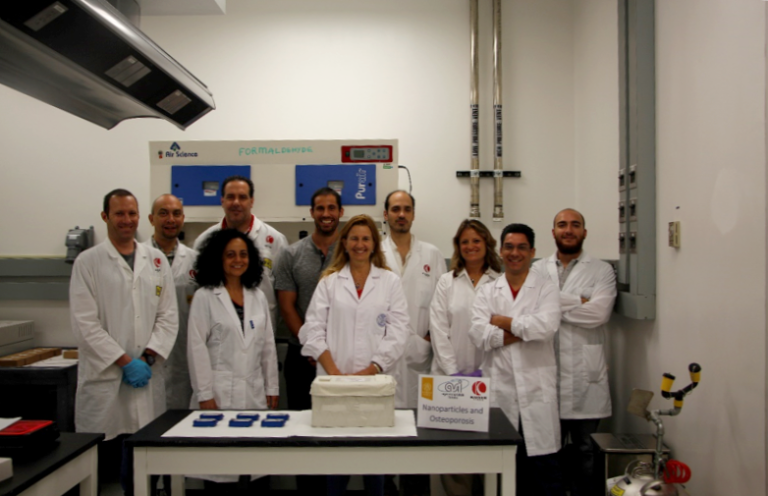
NATO team with the Experiment containers ready for the Space Alessandro Mariani (Kayser Italia srl, Livorno), Luca Serafini (Kayser Italia srl, Livorno), Fabio Creati (Kayser Italia srl, Livorno), Derek Duflo (Nasa, KSC, Cape Canaveral, Florida, USA), Marco Vukich (Kayser Italia srl, Livorno), Barbara Pascucci (CNR-IC, Roma), e Francesco Cristofaro (Università di Pavia, Pavia); Giuseppina Rea (CNR-IC, Roma), Livia Visai (Università di Pavia, Pavia), Giuseppe Pani (Università di Milano, Milano)
NATO team with the Experiment containers ready for the Space Alessandro Mariani (Kayser Italia srl, Livorno), Luca Serafini (Kayser Italia srl, Livorno), Fabio Creati (Kayser Italia srl, Livorno), Derek Duflo (Nasa, KSC, Cape Canaveral, Florida, USA), Marco Vukich (Kayser Italia srl, Livorno), Barbara Pascucci (CNR-IC, Roma), e Francesco Cristofaro (Università di Pavia, Pavia); Giuseppina Rea (CNR-IC, Roma), Livia Visai (Università di Pavia, Pavia), Giuseppe Pani (Università di Milano, Milano).

It was just one year ago when the SpX-CRS-6 spacecraft was launched – on April 14, 2015 – from the Kennedy Space Center (KSC) to the International Space Station (ISS) carrying on board a very precious load for the Italian team of scientists coordinated by biologist Livia Visai of the University of Pavia. The Nanoparticles and Osteoporosis (NATO) experiment has been designed to test nano-based countermeasures for treatment of microgravity-induced osteoporosis, a condition typically affecting crew members during spaceflight. The microgravity experienced in the outer space makes the living environment on the ISS completely different from the planet Earth, with the major consequence of metabolic changes that cause the body to lose calcium and the resulting decrease of bone density. The NATO was part of the Futura project, a wide set of different experiments selected by the Italian Space Agency and aimed to investigate key aspects of man flight into the outer space. The project was jointly developed by the University of Pavia, the Pharmacological and Biomolecular Science Department of the University of Milan and the Crystallography institute of the Consiglio Nazionale delle Ricerche (CNR) in Rome in order to develop new approaches to prevent bone loss during future space missions as well as osteoporosis on Earth. «Only people who lived such a charged-up experience can fully understand its meaning for a scientist», tells Livia Visai about the moment the spacecraft leaved the Kennedy Space Center in Cape Canaveral.

Microgravity and osteoporosis

The human being is the only biped animal, standing and moving using two feet instead of four. The vertical arrangement of the human vertebral column causes a stronger interaction with gravity, a fundamental force deeply affecting bones and muscular tone as the body needs to optimize usage of its structure and energy to maintain the correct posture. The microgravity conditions experienced by the living tissues during spaceflights activate bone remodelling, a consequence of the loss of the physiological balance among the production of new bone tissue and the absorption of the old one, a process involving the action – respectively – of osteoblasts and osteoclasts cell types. The bone mass of astronauts decreases about 2% each month during spaceflights: once back on Earth, they have to undergo physical rehabilitation to restore the physiological conditions of the body structural tissues.

Osteoporosis is a pathological condition typical of the old age characterised by calcium loss from the bones, which therefore can fracture more easily. No definitive pharmacological treatment for the disease has yet been found. The NATO project studied the use of hydroxyapatite nanoparticles – the mineral substance forming the 3D inorganic, structural core of human bones – as a potential therapeutic approach to treat bone loss.

«Bone remodelling is ten-fold accelerated in the absence of gravity. Our project aims to study the in vitro effect of the nanoparticles on the viability and morphology of mature osteoblasts and osteoclasts. The experiment on the orbital station was run on osteoblasts. We tested osteoclasts in parallel studies on Earth under simulated microgravity conditions. Preliminary data seem to indicate that our hypothesis is very interesting. More conclusive data will be obtained from the analysis of samples tested on the ISS. Just one experiment on the orbital station is not enough to draw a statistical conclusion: we shall run new experiments to fully confirm the validity of our hypothesis and we hope to do it in a time not too far», tells Visai.

The Italian team hope that its results might represent a viable hypothesis for a new approach to target osteoporosis, an approach which might also find the interest of pharmaceutical companies. «The sequencing of RNA allows to identify therapeutic targets in terms of not yet identified genes and proteins – adds the project coordinator. – We currently have no active collaborations with pharmaceutical companies, but these processes are always very long. If we can identify something useful to treat osteoporosis, there could be a considerable economic interest».

A multidisciplinary approach

The team of professor Angela Rizzo of the University of Milan used its random positioning machine to run parallel experiments on Earth under simulated microgravity conditions, while the CNR’s group led by Giuseppina Rea characterised the genetic profile of the samples using genomic sequencing RNA techniques. The contribution of industrial partner of the project, Kayser Italy, was crucial to develop the hardware needed to ship the experiment to space and run it on the orbital station. The design of all lab equipment to be used on the ISS is very different from the standard one typical of experiments on Earth: all containers must be sealed to prevent spilling and must ensure the right conditions for the cellular growth, which has to be activated using a dedicated electronic systems. Kayser Italy has already participated to 63 space missions with 93 different loads.

«Just after the selection of the project by the Italian Space Agency in 2013, we started a very close collaboration with the NASA offices responsible for the a priori evaluation of all potential problems that might arise during the flight, and which need to be resolved before departure», tells Livia Visai. The scientists joined the Kennedy Space Center laboratories in late March 2015 to run the final pre-flight experiments. «On April 11, two days before the scheduled departure date, we set up the in vitro experiment inside the hardware created by Kayser. We then transferred it to the people responsible for the positioning of all materials in the cargo craft». The delayed departure due to adverse weather conditions caused great concerns among scientists waiting for their experiments to leave Earth for space. The delay has a particular impact on biological experiments, which – in the case the delay had extended more than two days – should be completely reassembled to be ready for the next window for launch.

«Captain Cristoforetti transferred the experiment to the European Space Agency’s incubator, already present on board of the space station», says Visai. The Italian astronaut interacted with NATO project team starting from the very preliminary stages of planning of the experiment. in order to fully understand and manage all relevant scientific and technological details. The special containers for cellular culture shipped to the space contained human mesenchymal stem cells, which once on the ISS were exposed to nano-particles of hydroxyapatite. The experimental unit also contained five tanks for the reagents, a fluidic system for their dispensation and a micro-control panel for activation of the experiment, whose parameters were set before launch. The unit was designed to fit into the Experiment Container (KIC-SL), which was then inserted into the incubator of the KUBIC Columbus Lab on the space Station. The incubator, built by the European Space Agency, allows to set the temperature from + 6° to + 38°C and can host different types of experiments, from cell cultures to seeds and small animals. At the end of the experiment, the cell cultures were frozen at -100 ° C to crystallize the situation and prevent damages during the return on Earth.

The next steps

Cells cultivated on the ISS during the NATO experiment returned on Earth on May 26, 2015. The materials collected from the Dragon capsule splashed down in the Pacific Ocean have been first transferred to the Johnson Space Center in Houston to check the hardware conditions before their shipment to Italy. «We opened the six experimental containers on June 9 in MIlan, just two days before the return of Captain Cristoforetti on Earth – tells Livia Visai -. We checked if the electronic systems maintained the correct temperature ​​and whether the biological samples were extractable. We are now conducting all post-flight analysis to assess the sustainability of our hypothesis». The effect induced in vitro by the hydroxyapatite nanoparticles in cell culture is being evaluated through the identification of the global gene expression profile and X-ray microdiffraction analysis. Cell cultures which underwent parallel treatment on Earth, under normal conditions and simulated microgravity, are used as controls. Captain Cristoforetti also conducted a second Italian experiment on osteoporosis (Stem Cell Differentiation, SCD) during her stay on the ISS, which was aimed to study the differentiation of human mesenchymal stem cells into osteoblasts.

According to the final results of the NATO project, expected by the end of 2016, a new in-depth mission into space might be planned. The next mission of an Italian astronaut will occur in 2017, when Paolo Nespoli will return for the third time on the ISS. It could represent a good occasion to further explore the possible use of hydroxyapatite nanoparticles to treat osteoporosis and similar conditions.

What is osteoporosis

Human joints concept with the skeleton anatomy of the body with a group of panels of sore joints glowing as a pain and injury or arthritis illness symbol for health care and medical symptoms.

Osteoporosis causes the reduction of the bone mass and changes in the micro-architecture of the bones. The direct consequence is an increased risk of fractures due to increased bone fragility. The strong reduction of oestrogens that occurs in women in post-menopause directly affects the activity of osteoblasts and osteoclasts, the cells responsible, respectively, for the production of the organic matrix of bone mineralization and of its reabsorption. Physical activity is important to prevent the disease, along with the dietary consumption of calcium, phosphorus and vitamin D.

According to the World Health Organisation, osteoporosis causes more than 8.9 million fractures worldwide each year, more than 4.5 million in the Americas and Europe (Table 1). Healthcare costs related to the disease should also consider complications and long periods of hospitalisation for patients at high risk, such as the post-menopausal female population.

WHO Scientific Group on the assessment of osteoporosis at primary health care level, Summary Meeting Report, May 2004

Space and Technology. Table 1

Single use technologies. The revolution is ongoing

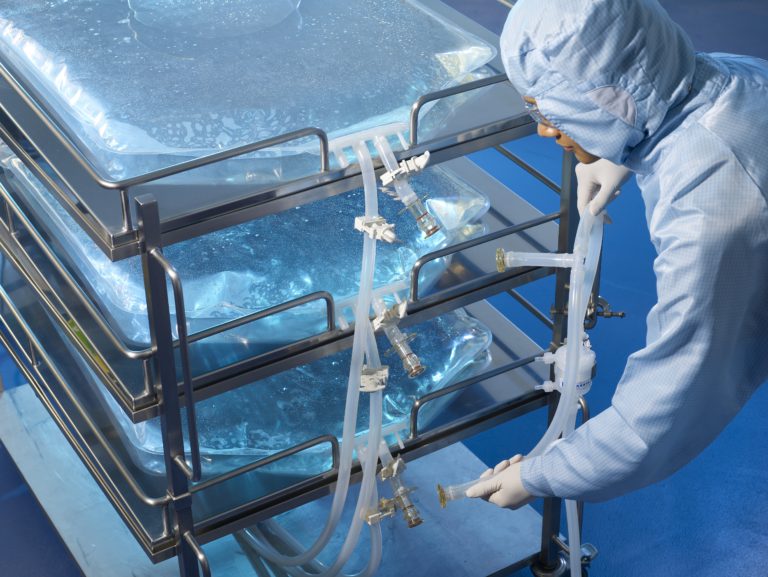
Single use components may simplify the design of manufacturing plants, the execution of cleaning procedures and reduce the risk of cross contamination and the global costs of production

Single use technologies (SUT) are coming more and more central in modern pharmaceutical manufacturing design, as they may improve the change towards new production’s models characterised by enhanced safety and simplified operations. The overall efficiency of the process, including reduction of manufacturing costs, is a driver pointing towards the adoption of single use technologies, even though doubts still remain about some practical aspects. The implementation of SUT systems requires a deep study of the manufacturing layout and possibly some modifications of the already existing installations.

Marco Sanvito
Marco Sanvito, Marketing Manager of Pall Corporation BioPharmaceuticals Division

«The word “revolution” is often referred to single use technologies, as they introduce very innovative elements compared to the traditional approach», explains Marco Sanvito, Marketing Manager of Pall Corporation BioPharmaceuticals Division. Pharmaceutical plants based on traditional steel solutions requires additional activities to set up and maintain the production line: activities that are not needed with SUTs. «If properly evaluated, the overall costs are lower than the current situation because the cost of goods decreases. They are not if you compare only the costs of consumables», adds Sanvito. A good production desing need to take into consideration and quantify all the activities that are currently necessary, but shall not longer be while improving single use technologies. Costs’ evaluation should include the items summarized in Table 1.

Single use technologies. Table 1

Cleaning and cross contamination

Marco Alberio ok
Marco Alberio, Engineering, Maintenance & EHS Manager of Pharmintraco and board member of ISPE Italy Affiliate

One of the most relevant features of single use technologies is the central role they may play to avoid cross-contamination, a typical issue arising during shifts from one production campaign to the next or from one batch to the next. SUTs are closed, ready-for-use systems sterilized by irradiation before supply. «This characteristic greatly reduces the potential risk of microbiological contamination, which is traditionally linked to the sterilization steps run in-house pre-use, assembly and post-use cleaning – tells Marco Alberio, Engineering, Maintenance & EHS Manager of Pharmintraco and board member of ISPE Italy Affiliate. – SUTs are not “operator dependent” and their plug-and-play technology avoids errors during the assembly steps». The number of connections needed in single use technologies-based manufacturing lines is very low if not absent since kits are pre-assembled and tested for integrity by the supplier. With the traditional design, for example, the assembly of transfer systems for solutions in a filling line are highly depended from the manual skills of the operators. «Today we need simply to connect the single use kit to the existing system, virtually eliminating all mistakes linked to the preparatory phase», adds Alberio. The pre-assembled systems also allow to reduce the time needed to build and operate a new facility or a new line compared to a traditional steel one. «This is very important, for example, for a contract manufacturer. Furthermore, the use of SUTs allows to arrange dedicated lines for each customer: if we consider a mixer or a dissolver, there is just need for a common hardware in order to accommodate different customers, each of which shall have its dedicated mixing bag», tells Sanvito.

A different layout for manufacturing

Single use technologies have introduced the possibility to design modular production plants. “Ballroom” and “dance floor” are terms which have entered the common technical language to identifying respectively (according to the definition of Wolton and Rayner, Pharmaceutical Engineering, vol. 34, n . 4, 2014) “a large manufacturing that has no fixed equipment and minimal segregation due to the use of functionally closed systems” and “a smaller and more defined space, is being considered as an alternative to the ballroom’ concept”, where single use production modules are placed and operate.

The compatibility of existing filling systems with single-use elements needs to be checked, explains Marco Sanvito: «The use of SUTs which integrate with aseptic filling systems within isolators shows a consistent trend of growth». Final filling systems often need to be adjusted in order to fit with single use technologies, further tells Marco Alberio: «Filling systems, as the time-pressure ones, for example, are not suitable for SUTs. Today the single use technologies cover upstream, downstream and formulation & filling applications: bioreactors, and bi- or tridimensional containers for storage, delivery and formulation are available, as well as sterile connectors and disconnectors, depth and sterilizing filters, chromatography membranes, beta bags for insulators, needles for final filling. Plastic valves able to undergo the “steaming in place” process (SIP) represent, for example, a link component between traditional systems and SUTs».

The regulatory point of view

The use of single use technology in the general framework of commercial scale GMP manufacturing is the new challenge for the pharmaceutical and biopharmaceutical industry, as its implementation would allow to increase the manufacturing capacity while reducing the extension of the facilities, including grade A manufacturing plants. «The issue – explains Alberio – could relate to the changes made to already existing manufacturing process, as such a variation would result in the request of new validation studies».

From the regulatory point of view, international agencies are very positive towards the adoption of SUTs, an event that would require changes to the regulatory dossier of the medicinal product with respect to the manufacturing process. «International regulatory authorities ask to assess the impact of single use systems on the product. Validation should assess compatibility and the presence of the so called extractables or leachables», further tells Marco Sanvito.


Extractables and leachables

The term extractables identify known additives, their degradation products, oligomers and polymers. Extractables are the result of a worst case situation, where a contact occurred between plastic materials and model solvents under conditions worse than those of the real process.

Leachables are known extractables and extractables modified as a result of product formulation (a very rare event). They are the result of the contact between plastic materials and process solution, under normal process conditions. They are usually part of the extractables pool.

BPSA, Recommendations for extractables and leachables from single-use systems


There are several reference guidelines available, even though some are not specific for single use technology (Table 2), as for example, the one describing requirements for materials in contact with the product. PDA TR 66 is a specific publication entirely dedicated to the evaluation and adoption of single use technology.

Single use technologies. Table 2

To achieve validation, single use components have to meet some minimum requirements, among which, for example, the compliance to USP Class VI biocompatibility, the execution of studies to identify the extractables core, the characterization of the chemical-physical properties and the availability of functional tests. «The risk assessment should take into consideration the generic data that characterise the SUT systems, to check if that are applicable to the specific case and application. Any gap should be filled by running specific tests. The debate is ongoing between users and suppliers about minimum data requirements, and it involves organizations such as the Bioprocess Systems Alliance (BPSA) and the Bioforum Operations Group (BPOG)», comments Sanvito.

Many advantages and some disadvantage

Single use technologies holistically optimize the manufacturing process: the increased productivity and sterility, the containment of the product, the reduction of overall manufacturing costs and the safety for environment and operators are the main advantages of the method. The economic value of the products is a fundamental parameter to assess the real economic advantage potentially deriving from SUTs. Lot size, number of batches per year and total number of different products should be also considered. «The drawbacks, excluding the non-applicability to certain lines, are often not so real as they are perceived. A proper evaluation of SUTs has to look at the whole process. A decrease of flexibility in the choice of alternative suppliers is one possible disadvantage, since validation activities involve costs to be afforded for a second time in the case of change», tells Alberio.

High value products are often linked to difficult cleaning procedures, risk of cross-contamination and high disposal costs, together with the possible reduction of the environmental impact and of energy consumption and the disposal of waste water resulting from the process. The adoption of single use solutions could become very interesting in such instances. «SUTs increase solid wastes – tells Sanvito – but this contribution is negligible and plastic materials might undergo recycling or be used for energy production».

The key to fully understand the potential impact single use technologies is linked to the extreme flexibility they can offer. Persistent doubts include the integrity of SUT systems such as biocontainers, the reliability of the supply chain, how to manage extractables and leachables and, not least, the fear of becoming dependent on just one supplier. «Tools are available to test the system for loss before use SUTs. There is no doubt that suppliers play a key role, even more than with conventional technology. Activities and responsibilities, such as the validation of g-ray sterilization, have to be delegated to them, something that might be perceived as a limitation», says Marco Sanvito.

«The impact and flexibility of single use technologies may be optimized through a reasoned approach, assessing the adoption of this technology from different perspectives», concludes Marco Alberio.

3D printing. Waiting for specific rules to print devices

3D printing technology is increasingly been used to print a wide set of medical devices, many of which are class III implantable devices. There is no specific guidance yet available for this kind of applications, nor the new Medical Devices Regulation will modify the current situation

3d text

3D printing is becoming a widely used and useful method for the production of medical devices. Particularly, implantable prosthesis are devices where the new technology may offer many advantages with respect to traditional methods of casting manufacturing. Examples of 3D printed prosthesis for maxillofacial or orthopaedic surgery are no more spare cases in the scientific literature.

The manufacturing of implantable devices represents the most sophisticated application of 3D printing requiring high accuracy and quality of the product’s design and manufacturing. This last make use of biocompatible materials and should take place in highly controlled environment.

The design of implantable prosthesis is based on morphological features specific of each single patient: these category of devices are thus classified as Class III “custom-made” devices according to Directive 93/42/EEC .

Custom made devices

“Custom-made device” means any device specifically made in accordance with a duly qualified medical practitioner’s written prescription which gives, under his responsibility, specific design characteristics and is intended for the sole use of a particular patient.

The abovementioned prescription may also be made out by any other person authorized by virtue of his professional qualifications to do so.

Mass-produced devices, which need to be adapted to meet the specific requirements of the medical practitioner or any other professional user, are not considered to be custom-made devices.

Source: European Medical Devices Directive – 93/42/EEC with 2007/47/EC

No specific guidance for 3D printing

Vincenza Ricciardi
Vincenza Ricciardi, Head of the Regulatory Affairs of Assobiomedica

Despite the high level of risk related to Class III custom-made implantable devices, there is currently no specific legislation available to regulate this highly innovative products both in Europe and in the U.S. «Their development is considered to be an R&D activity» explains Vincenza Ricciardi, Head of the Regulatory Affairs of Assobiomedica, the Italian Association of the Medtech Industry.

The new Medical Devices Regulation, which is currently under finalisation by the EU Commission and Parliament, born well before 3D printing has become a highly promising technology in the biomedical field. The draft Regulation, thus, does not take it into consideration. The reference rule for the manufacturing of implantable 3D printed devices still remains the authorization procedure for custom-made devices described in the Annex VIII of Directive 93/42/EEC. The custom-made device has to comply with minimal requirements listed in Annex I. Competent authorities of each Member State are responsible for the evaluation of the dossier, without the intervention of a notified body because custom-made devices are exempt from the inspection to check compliance of the manufacturing process. This particular category of products is also authorised for use without formally obtaining the CE mark and it has to be labelled and supplied together with instructions for use and a declaration of compliance issued by the manufacturer. «The definition of “custom-made” is used improperly, because this is a very special type of devices that require ad hoc approval. Patient data and disease specification have also to be provided to the authorities (even in the form of acronym or alphanumeric code, editor’s note), as well as name of the hospital and of the doctor in charged of the patient and who will use the device. The manufacturer has to declare the non-existence of similar products on the market, while the medical doctor has to assume the responsibility for its use. Treatment’s results must be monitored after use, and a report must be sent to the authorities describing progress made. If, for any reason, the device was not used it must be destroyed. Manufacturing should follow GMP rules for medical devices, and a risk analysis has to be run. The manufacturer has to keep all supporting documentation, as for standard products», says Vincenza Ricciardi.

A special interest group

Roberto Liddi
Roberto Liddi, chairman of the 3D Printing special interest group

The European Commission set up about a year ago a special interest group on 3D Printing, being part of New and emerging technologies initiative (NET) created to explore new technologies in the field of biomedical devices. The chairman of the 3D Printing special interest group is the industrial expert Roberto Liddi. «The real news is not the technology itself but its applications in the biomedical field – he tells Pharma World. – Since the birth of the current Directive, in 1993, many new technologies were used to manufacture medical devices. NET mission is to understand the dynamics undergoing the technological evolution of devices. At the beginning, the group was involved just with nanotechnology and in vitro diagnostics. About a year ago, 3D printing started to become a relevant technology; it was initially considered as part of the nanotechnology group, then the 3D Printing special interest group has been created».

The new Regulation should not substantially change the requirements for custom-made devices already set for by Directive 93/42. «The Commission did not considered custom-made devices because it didn’t see an opportunity or need to further regulate a situation considered to be under control. The problem is that any hospital can buy a printer and start producing custom-made devices without the controls which are mandatory for the industry – says Roberto Liddi. – For custom-made devices there is no need to provide clinical evidence, a standard request for industry: this should remain unchanged in the new Regulation and, from the regulatory point of view, it could lead to an uncontrolled market. The Directive does not state who are the notified body or the authority responsible for the examination of the technological dossier of a custom-made 3D printed device. Before 3D printing, the preparation of a cast for a single custom-made device was too expensive». The internal microstructure of devices obtained by casting can not be controlled, while 3D printing make use of nanomaterials and allows to obtain an highly defined structure that mimic the actual function of the bones.

In the United States, the Food and Drug Administration has taken a clear position on 3D printing, and has authorised some products under the 510 (k) procedure. If a company or a hospital builds more than five custom-made devices per year, the FDA will consider this production to be an industrial process and validation is thus needed. «It’s a good starting point – comments Liddi. – It restricts the use of 3D printing as an industrial process, with the need to create a technological file and to check the reproducibility of the process». Something that impacts on controls, which should then be run according to the ISO 13485 standard on validation of industrial processes used for the production of medical devices (Box: “The ISO 13485 standard”). «We start talking about good manufacturing practices, a standard that the biomedical industry always used but that the hospital does not know», adds the expert.

The ISO 13485 standard

ISO 13485:2003 specifies requirements for a quality management system for the manufacturing of medical devices and related services that consistently meet customer and regulatory requirements.

The goal is to harmonize the medical device regulatory requirements for quality management systems. The standard excludes some of the requirements of ISO 9001 and introduce some other specific for medical devices. If regulatory requirements permit exclusions of design and development controls, this can be used as a justification for their exclusion from the quality management system. The manufacturer is responsible to ensure that claims of conformity with ISO 13485 reflect exclusion of design and development controls.

Source: ISO

The first recognition at the political level, for the 3D Printing special interest group, came at the end of 2015; further talks are ongoing with the Dutch presidency. The new Regulation still leaves a door open as it refers to laws that have yet to be written to solve outstanding problems. «The NET Team and 3D Printing group hope that in the near future the problem of 3D printing would be taken into consideration during the creation of one of these laws», says the chairman of the group, which has already met experts of the Joint Research Center in Ispra, the technological arm supporting of the work of the EU Commission. «JRC’s experts were not aware of these issues from the regulatory point of view. We proposed to make aware the European Commission. The joint objective is to prepare a white paper where to expose issues concerning the manufacturing of 3D printed biomedical devices, no matter their classification. The white paper shall describe the current status and potential regulatory solutions: we will present it to the Commission along with the JRC, so that it would be available when the writing of the new parallel legislation to the main Directive will begin», tells the expert.

An insight on technology

The industrial process of 3D printing custom-made devices requires parameters different than standard systems, such as casting. A 3D printed implantable prosthesis, for example, is usually made of biomedical grade titanium-64 or other special metal alloys. The metal is printed in powder form, with physical-chemical and technological characteristics very different from those of the metal bars used for casting. «The tests which are currently required for implants, i.e. femurs or titanium knees, are specific for titanium bars: they are not adequate to verify the device manufactured starting from titanium powder. In addition to the regulatory gap, there is also a gap in the knowledge of the material», tells Liddi.

The same concept applies to any type of material, as for example a bioplastic or biomaterial, because the printing process completely changes the way in which the material is being created. Characteristics such as malleability or the forces exerted on the device are completely different. The materials used to print maxillofacial parts, for example, is subject to further changes after printing to give them specific physical features, such as malleability and hardness. There are at least 40-50 different parameters to be controlled and optimized, depending on the specific powder and printer used. The use of different types of powders on the same printing machine and with the same parameters would lead to completely different results. «Currently there are a dozen of commercial synthering laser machines, for example, and at least six different manufacturers of biomedical grade titanium-64. I let you think how many potential solutions there might be», adds the expert.

The final use of a 3D printed prosthesis requires also the synergistic action of different skills and expertise. The optimization of this interaction is another critical point to ensure the maximum reliability and safety of the product. The physical or digital prototype is obtained on the basis of tomography or nuclear magnetic resonance scans. The doctor in charged of the patient has to check it for modifications: a passage that might result critical if the doctor had direct access to 3D model files, as he may not have adequate technical and IT skills to ensure that the changes he made would preserve the safety of the device. The “digital” device obtained on the basis of diagnostic imaging files is then transformed by a second software into a file that can be read by the printer. «In this scenario there are already four different people: the surgeon is currently the focus of the whole process, as he is the only responsible, from the legislative point of view, for the design and installation of the device. The problem is that, despite having signed all the documents, it was certainly not the surgeon to manufacture it. In such a situation responsibilities are not fully understood», tells Liddi.

The white paper of the 3D Printing special interest group will also consider these issues. The availability of a new guideline describing the correct behaviours and data would make more reliable all the procedures for the 3D printing of implantable custom-made devices.


Vincenza Ricciardi, Head of the Regulatory Affairs of Assobiomedica

Roberto Liddi, chairman of the 3D Printing special interest group

S2 di GiMax3D


Crystals of high quality

After a couple of decades when pharmaceutical companies moved to the Far East to buy active ingredients at lower costs, the trend has now inverted: the European fine chemicals industry is living a return phase based on the search of higher quality, as it acknowledged that low-cost raw materials were often characterised by a quality not adequate to guarantee the maintenance of products characteristics over the time. Italy, among other European fine chemicals manufactures, has a long tradition of top level quality and reproducibility for its pharmaceutical productions, and a great attention towards the compliance to relevant regulatory requirements.

Soda

The most innovative trends in pharmaceutical development are now focusing on formulation development, to those respect the chemical purity of the active ingredient is just the first step to be taken into consideration.

Marina Figini
Marina Figini

An accurate design and development of the chemical-physical characteristics of the active pharmaceutical ingredient (API) may represent a competitive advantage in order to develop finished dosage forms with an improved technological profile, better safety and efficacy. «We strongly believe in customer retention, in addition to the regulatory compliance and to GMPs applications, which are inspected by AIFA. A tailor-made production is indeed a good chance for our companies», tells the coordinator of the Quality and Product’s Regulation Commission of Aschimfarma, Marina Figini. The Association is part of Federchimica and represents the Italian manufacturers of active pharmaceutical ingredients.


The importance of the crystals

IAMARTINO
Piero Iamartino

Solid state characteristics of APIs are very important for formulation development and should be thoroughly examined since the beginning of the process, as they may influence many other product’s characteristics (Figure 1). The chemical aspects of crystallisation are not the only one to be considered, even if historically they have been considered the more relevant ones. «The crystallisation process – as well as the following steps of grinding and drying – has a crucial impact of physical and technological characteristics of the drug substance. Its stability and pharmaceutical performance are influenced: if the crystallisation process is controlled and reproducible, also the active ingredient will have reproducible characteristics», tells Piero Iamartino, member of the Associazione Farmaceutici Industria (AFI).

Pharmaceuticals regulations and guidelines have already implemented the processes and analytical methods needed to assess the chemical profile of APIs. Other physical and technological features are not covered by now, and their assessment is still based on semi-quantitative measurements in the absence of specific details in the Pharmacopoeia.

Figure 1. Solid state’s properties (Fonte: Aschimfarma, adapted from A. Gazzaniga)

The gap is due to the fact these characteristics are strictly depended upon each single drug substance, thus they have to be defined for each technological and manufacturing process. «The chemical-physical characteristics and the critical quality attributes of the active ingredient must be evaluated as they impact on the finished product. A crystal obtained from an highly soluble drug substance, for example, will have different characteristics with respect to one obtained from a less soluble one», further tells Iamartino.

The ability to exploit solid state’s characteristics to tune bioequivalence might be used to differentiate the brand product with respect to generics, or to extend patent’s life. Many examples are reported in the scientific literature describing products apparently identical as per type, qualitative and quantitative composition of the drug product, but which gave rise to a different therapeutical response. This behaviour is connected to differences in the solid state’s properties of the active ingredient, for example a different micronisation procedure.

Examples of non-equivalent formulations

Some examples taken from the scientific literature ad describing non-equivalence of the formulations due to a different physiscal form of the active ingredient (amorfous forms, polymorphism, solvates):

  • Novobiocin (1960)
  • CAF palmitate (1967, 1980)
  • Ampicillin (1968, 1981)
  • Chlortetracycline (1974)
  • Amobarbital (1981)
  • 6-mercaptopurine (1981)
  • Phenylbutazone (1984)
  • Indomethacin (1987)
  • Cimetidine (1987)
  • Carbamazepine (1992, 2000, 2003)
  • Oxytetracycline chlorhydate (1999)

Fonte: Aschimfarma, adapted from A. Foppoli

«In the past just the drug substance and its synthetic path were patented, there was less attention towards polymorphism. It was possible to bypass a patent deeply studying the active ingredient and finding new polymorphic species with a different physical profile and the same performance with respect to the originator. Today pharmaceutical companies pay a greater attention and fully patent all aspects. The investigation of the polymorphism is done before IP protection», adds Marina Figini.

A competitive advantage

The ability to develop new processes for a tailor-made crystallisation and finishing able to satisfy customer’s specific needs may represent a competitive advantage for APIs suppliers. This ability calls for a deep know-how and high level technological facilities, coupled to a good attitude to accept the challenge and ensure customer satisfaction.

The new approach requires the sum of chemical, formulation, biopharmaceutical and process’s competences in order to identify as soon as possible the critical elements of the process and the available solutions to ensure the stability and therapeutical performance of the active ingredient.

«The production of active substances characterised by reproducible physical and technological properties are a must for suppliers working according to good manufacturing practices. Aschimfarma’s members have acknowledged the importance to define the solid state’s critical parameters together with the customer. This allow for the tailor-made manufacturing of the active ingredient, something our extra-EU competitors may not be able to achieve», tells Marina Figini.

«A distinction has to be made between the fundamental characteristics of the active substance and those depending upon the crystallisation process. The first ones impact on biopharmaceutical aspects, the latter on the technological aspects of the manufacturing of the finished product», adds Piero Iamartino.

A fine tuning process

Smoothness is a characteristic fundamental in order to obtain a uniform distribution of the drug substance within the formulation and it is influenced by the particle size of the crystals. Statistical and medium equivalent diameters should be taken into consideration during the development of the drug substance production, as well as the specific superficial area (SSA) and the use of the appropriate mesh sequence, something that might impact at the regulatory level (Sequence of meshes (micron): 2000 > 1400 > 1000 > 710 > 500 > 355 > 250 > 180 > 125 > 90 > 63 > 45).

A tailor-made approach to API manufacturing does not necessarily mean a more complex process to be managed. «A modification of the crystallisation conditions, for example, requires a change in the authorisation dossier and drug master file. The supplier has to evaluate its commercial interest towards the customer’s request. It is also possible to act on the particle size or physical characteristics of the active ingredient, such as micronisation, grinding or meshing. Constant characteristics of the API allow the customer to work on the formulation without issues», says the coordinator of the Aschimfarma’s Commission.

The co-precipitation of the drug substance together with an inert component gives rise to co-crystals. «The Food and Drug Administration considers the co-crystals as the result of a chemical process, while for the European Medicine Agency it is part of the pharmaceutical process – Piero Iamartino explains. – Co-crystals may have very interesting biopharmaceutical compared to those of the pure API’s crystal. It’s a possible way to solve issues with the chemical-physical characteristics of the drug substance».

New approaches to manufacturing

Continuous processes are becoming an important tool to better control the solid state’s properties of the active pharmaceutical ingredient compared to batch manufacturing (Figure 2).

Figure 2. Vantaggi del processo continuo di produzione (Fonte: Aschimfarma adapted from B. O’Sullivan)

«This approach allows a better characterisation of the crystallisation process. It acts on process parameters in order to optimize them: it is thus possible to identify the optimal crystals’ properties for pharmaceutical use and to fine tune the crystallisation process. Industrial processes are already available. Continuous processes might may also prevent the need of finishing procedures, as the particle size of the crystals is already well defined», adds Iamartino.

Robust analytical methods are also needed in parallel, in order to monitor the manufacturing process and the final quality of the drug substance. Process analytical procedures (PAT) represent a possible solution to address this issue, as they sum several analytical techniques useful to continuously identify and measure the critical process parameters. «PAT is one of the key elements of the quality-by-design approach applied to crystallisation. Quality targets are set and the risk analysis is then run. PATs allow for the monitoring of nucleation, crystal’s growth, particle size and for the presence of polymorphism. Up to now the decision to adopt PAT procedures is a responsibility of the single company», further adds AFI’s member.

The use of PAT procedures impacts also on the entire quality assurance profile of the manufacturing process, something that may influence validation and regulatory approval of the dossier. «It is possible to correct the reaction within the design space. The traditional approach based on the production of three batches has been overtaken: the validation is now part of process development and calls for the monitoring of the compliance of critical parameters during manufacturing», says Marina Figini.

A critical point of the process is the ability to ensure a productive dialogue between chemical development, formulation development and manufacturing in order to facilitate the technology transfer from R&D to production. «The supplier of the active ingredient has to be aware of the needs relevant to obtain the desired formulation. The pharmaceutical company has to define the specifications’ range allowing for a reproducible formulation», Figini explains.

The adoption of quality-by-design approaches is favourably considered by the regulatory authorities. «The regulatory evaluation is less severe when this approach is adopted: the dialogue with the authorities allows for the availability on the market of high quality APIs and drug products, as the characteristics of the active ingredient, the formulation and the process are well know. There is no obligation up to now to adopt the quality-by-design guideline. The approach may initially look more challenging, but it implies a better knowledge of the process, thus lower costs both at the regulatory and the manufacturing level, as the need for intervention to keep it under optimal conditions is highly diminished», tells Figini.

Health inspections and controls on medicines

The import-export of medicinal products is free within European countries only for those products of EU’s origin, while products imported from extra-EU countries and several categories of special products are subjected to Custom controls upon arrival at the destination port or airport. Pharma World interviewed Barbra Bucci, manager at the USMAF Milan Malpensa aeroportual district (which includes all airports located the North-West of Italy), to better examine the regulations and procedures involved in the import of medicinal products in Italy and in the release of the health authorisation to import (Nulla Osta Sanitario, NOS).

Barbra Bucci, Usmaf Milano

USMAFs (Uffici di sanità marittima, aerea e di frontiera) are peripheral organisations of the Italian Ministry of Health located at the main entry ports and airports. USMAF’s offices are responsible for the health vigilance, controls and inspections on all goods imported from extra-EU countries and intended for human use. Goods of animal origin are under the responsibility of the Veterinary services of the Ministry of Health.

«The location of the USMAF’s offices directly at the Italian borders is something unique within Europe, as the other countries usually control goods in locations other than airports and distributed on the national territory», says Barbra Bucci.

The organisation of USMAF

There are 12 USMAF’s offices on the Italian territory. The Milan Malpensa office is responsible for the North West region, including Lombardy, Piedmont and the Aosta’s Valley. Single units are located at the two airports of Milan city, Malpensa and Linate, and in Bergamo (Orio al Serio and Brescia airports) and Turin (Turin Caselle, Cuneo, Aosta airports and the Rivalta Scrivia logistic centre).


Types of products subject to control

Medicinal products arriving in Italy are subject to different Custom procedures and controls according to the type of product and to its origin. Medicines already approved in Italy and for whose the Italian Medicine Agency (AIFA) issued a marketing authorisation (AIC number) can enter freely the national territory. «The import of these products just requires the Custom’s declaration of the AIC number; controls might be then carried on the territory by competent Authorities, i.e. AIFA», tells Bucci.

USMAF’s offices are responsible for controls and for the release of the health authorisations to import for three different categories of medicinal products, as defined by relevant legislative acts.

The authorisation is needed for medicines which have been already approved and are on the market in another European country, but not yet in Italy (D. Lgs. 11 Feb 1997): these products can be imported only upon a specific written request coming from the medical doctor directly in charged of the planning of therapies for a single patient. The provision applies both for medicines produced in Europe and to those of extra-EU origin. «Doctors can prescribe medicines they consider irreplaceable. In this case, the medicinal product must be used only for the indications specified in the marketing authorisation. Off label use is prohibited», explains Barbara Bucci.

Compassionate use of investigational products not yet authorised neither in Italy nor in the European Union is possible for rare, severe or life threatening diseases under the provisions of D. Lgs. 8 May 2003. «The law ask for the demonstration that results from phase 3 studies is available. If the medical doctor in charged of the patient considers essential the use of the product, a positive opinion shall be gained from the ethical committee of the hospital where the therapy will be administered. This opinion is mandatory to import the medicine from abroad», further explains the responsible of Milan Malpensa USMAF. The producer of the investigational product shall supply it free of charge, and it shall open a “compassionate use programme” with AIFA for the supply of the product upon requests coming from interested hospitals. The producer must indicate specific indications for which the import is requested and these must fit with the already performed clinical studies. «The ethical committees of the hospitals interested in compassionate use have to file with AIFA a complete dossier for each single patient to be included in the programme. In order to authorise the import, USMAF’s offices make an evaluation of the positive opinion of the ethical committee. If the documentation is correct, import of the investigational product is authorised», tells Bucci.

The need for the positive opinion from the hospital’s ethical committee applies also to products imported for clinical studies from extra-EU countries. The subsequent procedure is simpler, as clinical studies are already registered in the AIFA’s “Osservatorio delle sperimentazioni cliniche” register, so that there is only need to check the registration number and the ethical committee’s opinion. «Import for experimental use in clinical studies is much greater than those for compassionate use or under the provisions of D.Lgs 11 Feb 1997, that both must remain exceptional measures. This is part of our controls», tells Barbra Bucci. As for the import of medicinal products not yet registered in Italy, for example, the law allows the import just of the quantity needed for a three months treatment. It is also possible for hospitals to ask for the import of a three months ward stockpile on the basis of a motivated estimation of the expected number of patients that might access the treatment. In order to better trace the use of imported medicines, the documentation relative to a single patient must indicate its initials and date of birth. «Some hospitals attach tracking codes and send us separately the corresponding lists of initials and dates of birth, that we use in order to check filing errors. The health import authorisation specifies the person to which the medicinal product is destined, so to facilitate traceability should any problem arise», further comments Bucci. Milan Malpensa’s USMAF office handled in 2014 more than 5600 requests of import for medicines not yet approved in Italy, approx. 3500 requests for compassionate use and 342 requests for clinical experimentation of medicines coming from extra-EU countries. A total of 14.425 requests of import were managed from all Italian USMAF offices in 2014.

The NSIS information system

All procedures needed for the request and final release of the health authorisation to import are managed through the NSIS information electronic system of the Italian Ministry of Health. Users can file all the requested documentation from the public access side of the system. The private access side allows USMAF’s office to check it and to release the final authorisation. «We work in close connection with approved custom brokers, which are different for each of the several USMAF’ offices on the national territory. Data required by the system include name of the importer and of the producer, the foreign courier and the custom broker managing the goods in Italy and foremost their destination of use», tells Bucci.

The procedure used to grant the authorisation depends on the type of filed data. When the user declares closed the filing, a numeric code is generated and sent by e-mail to the USMAF responsible for the documental checking. «The shipping note must be attached in order to trace the itinerary of goods. The authorisation to import can be released only upon arrival of the goods at the national border, not before. We run a documental check and, if necessary, we inspect the goods», tells the responsible of the Milan Malpensa office. The NSIS system records all communications in real time and releases an electronic authorisation when documental checking is positive. Custom receive the notification through the unified electronic counter service “Sportello Unico Doganale” when the file is closed and goods from extra-EU origin can then be authorised to enter Italy. The Custom procedure passing through the Sportello Unico is needed also for communitarian goods, even if they are not subject to Custom control and authorisation. «A paper copy of the health authorisation to import should always be attached to goods up their arrival to the final destination. In some instances, for communitarian delivery courier shipping is faster than the time needed to file and check the documentation. In such a case, hospital pharmacies must wait for the release of the authorisation prior to allow for the use of the medicinal product. The release of the NOS is very rapid, it occurs almost in real time», tells Barbra Bucci.

No need for the authorisation

The health authorisation to import medicinal products is not needed for medicines regularly approved in Italy by the Italian Medicine Agency but that are not available on the market because of inappropriate or time inconsistent modalities of supply by the producer. In this case, import of the product is managed directly by AIFA. The Ministry of Health directly handles the import of psyco-active substances and drugs. Import authorisation is not needed also for medicinal products not intended for diagnostic or therapeutic use, as for example samples for laboratory use, and for pharmaceutical raw materials. This type of products shall be notified directly to AIFA through the NSIS system, and the Agency is responsible for controls.


Custom’s unified counter services (Sportello Unico Doganale)

Import-export procedures are very complexes in Italy, as they may require the notification of the Custom declaration together with the filing of up to 68 other applications involving 18 different authorities. In order to facilitate custom operations, since 2004 the Italian Custom is the unique point of collection and control of all the information needed for custom clearance of imported goods. The electronic unified counter service (“Sportello unico doganale”) is active since 2011 and it is regulated by the D.P.C.M n. 242 dated 4 Nov 2010 (G.U. n. 10 dated 14/1/2011).

Source: Agenzia delle Dogane

Drug interactions deserve deeper attention

«Until today there has been the lack of an holistic vision of the pharmacological agent, a vision considering not only the disease-specific target of the drug. Each substance may disturb the entire system, especially in the elderly. How to deal with such kind of clinical trials is something very complicate», tells Alessandra Marengoni, researcher at the Department of Clinical and Experimental Sciences of the Brescia University (Italy) and member of the Geriatric Working Group (GWG) of the Italian Medicine Agency AIFA. The study1 on the appropriateness of prescriptions in the elderly published by the Agency in 2013 highlights the central role that should be played by a better evaluation of drug-drug interactions. The study involved the entire over-65 years old Italian population (more than 12 milions people) and was based on the data collected by the National database OsMed for drugs reimbursed by the National Health Service (Table 1). It identified a wide set of appropriateness indicators (table 2) and showed that more than 50 percent of the considered population (7,5 mln) made use of more than 5 drugs per day and 11% (1.4 mln) more than 10.

Alessandra Marengoni, researcher at the Department of Clinical and Experimental Sciences of the Brescia University (Italy) and member of the Geriatric Working Group (GWG) of the Italian Medicine Agency AIFA


Table 1. Prevalence (%) of quality indicators in the old-age italian population


quality indicator

All ≥ 65 years

(12.301.537 people)

65-74 years

(6.154.421 people)

75-84 years

(4.474.887 people)

≥ 85 years

(1.672.229 people)

Polypharmacy

–          5/9 medicines

–          ≥ 10 medicines


49,0 %

11,3 %


43,6 %

8,6 %


55,0 %

14,1 %


52,6 %

13,8 %

Low compliance vs anti-depressive drugs 63,9 % 62,6 63,0 69,6
Low compliance vs anti-hypertensive drugs 46,4 43,2 47,2 56,1
Low compliance vs ipoglycemic drugs 63,0 63,0 64,7 70,1
Low compliance vs anti-osteoporosis drugs 52,4 48,7 53,4 64,0
Use of anti-Parkinson e anti-psychotic drugs 0,2 0,2 0,2 0,3
Under usage of statins in diabetic patients

–          % of old population under ipoglycemic treatment

7,5

53,4

6,8

48,3

8,2

54,4

8,0

73,1

Concomitant use of drugs causing an higher risk of bleeding

–          warfarin + traditional FANS/COX-2

–          warfarin + aspirin/antiplatelet

–          warfarin + traditional FANS/COX-2 + aspirin/antiplatelet


1,5

0,8

0,2


1,1

0,6

0,1


2,0

1,1

0,2


1,4

0,7

0,1

Concomitant use of drugs increasing an higher risk of renal failure or hyperkalemia (ACE inhibitors/ARB + aldosterone antagonists + FANS/COX-2 inhibitors) 0,7 0,5 0,9 1,0
Concomitant use of ≥ 2 drugs prolonging QT 0,3 0,2 0,4 0,4
Use of anti-hypertensive with an unfavourable risk-benefit profile (doxazosin, clonidine, methyldopa, short time calcium antagonists)

–          % of old population under anti-hypertensive treatment

1,6


2,5

1,4


2,3

1,8


2,5

1,8


2,8

Use of high dose digoxin (≥ 0,125 mg/die) 0,4 0,3 0,5 1,3
Use of oral antiglycemic drugs assciated with an high risk of ipoglycemia (chlorpropamide, glibenclamide)

–          % of old population under ipoglycemic treatment

0,7


5,1

0,6


4,1

0,8


5,6

0,9


7,8

(Fonte: adapted from 1J Gerontol A Biol Sci Med Sci (2014) 69 (4): 430-437)


Table 2. Quality of prescription’s indicators from the AIFA study

Polytherapy indicators Concomitant dispensing of:

·         5-9 medicines

·         ≥ 10 medicines

Compliance to treatment ·         Low compliance to anti-depressive medicines (<40% days over 6 months)

·         Low compliance to anti-hypertensive medicines (<40% days over 1 year)

·         Low compliance to anti-diabetic medicines (<40% days over 1 year)

·         Low compliance to anti-osteoporosis medicines (<40% days over 1 year)

Prescriptive cascade Use of anti-Parkinson e anti-psychotic medicines
Under treatment Under usage of statins in diabetic patients
Pharmacological interaction ·         Concomitant use of drugs that may enhance the risk of bleeding (warfarin in combination with traditional inhibitors FANS/COX-2 or low dosage aspirin and other anti-aggregants

·         Concomitant use of drugs that may enhance the risk of kidney failure and/or hyperkalaemia (ACE inhibitors/ARB and aldosterone antagonists, traditional inhibitors FANS/COX-2

·         Concomitant use of more than 2 drugs acting on QT elongation (≥ 2 drugs that may cause Torsades de Pointes)

Medicines to be avoided ·         Use of anti-hypertensive drugs with unfavourable risk-benefit profile (doxazosin, clonidine or methyldopa in monotherapy or any calcium antagonist drug with short action time

·         use of high dosages of digoxin (> 0,125 mg/die)

·         Use of oral ipoglycemic agents associated to an high risk of ipoglycemia (chlorpropanamide o glibenclamide)

(Fonte: AIFA, Uno studio nazionale dell’Agenzia Italiana del Farmaco sulla qualità della prescrizione farmacologica nella popolazione geriatrica, 2013)

The need for a change in clinical trials

The data collected by the study may be more generally extended to the management of all complex patients, no matter for their age. Such kind of patients presents a highly complex pathological framework and calls for the use of polypharmacy regimens of treatment, these too being highly stratified especially in the case of chronic diseases.

«The fundamental issue is that all guidelines for chronic diseases developed in recent years are disease-specific ones. They seldom consider the possibility of co-morbidity with other chronic diseases requiring concomitant treatment – explains Alessandra Marengoni. – These are guidelines based on clinical trials that did not included old co-morbid patients, the one we are dealing with in the daily clinical practice».

Clinical trials are usually based on a disease-specific design in order to better evaluate the safety and efficacy of the drug candidate. The limit of such a design is its inability to highlight the possibility of efficacy bias and side effects related to the interaction of the drug with other medicines or with the mechanisms of the possibly present co-morbid pathologies. These sort of behaviours are usually detected during post-marketing studies, when the new medicine is used by the entire population.

A recent comment published on the British Medical Journal2 By Marengoni and Onder took into consideration the results of the systematic study3 on three NICE Guidelines run by British researchers and aimed to point out drug-disease and drug-drug interactions (“Three nice Guidelines under scrutiny”). «The concomitant applications of the guidelines leads to several interactions – says Marengoni. – In older patients the target is often no more disease-specific. There is the need to take into consideration many more factors and a patient-specific target: its quality of life often prevails. We need to consider the prognosis, the life expectancy and the risk-benefit ratio related to the prescription of a certain regimen. Furthermore, patients are often not sufficiently involved in therapeutic decisions, especially in the elderly. In the case of cognitive or functional impairment, furthermore, there is need for assistance by the family or caregivers».


Three NICE guidelines under scrutiny

The study published in the BMJ took under consideration three different guidelines for the treatment of type 2 diabetes, heart failure and depression which was published by the National Ististute of Health and Care Excellence (NICE). The paper aims to systemically identify, quantify and classify all possible severe drug-disease and drug-drug interactions emerging from the considered guidelines.

First and second line treatment indications have been crossed with those referred to other 11 pathologies. Drug-disease interactions resulted relatively rare, the most severe ones referring to type 2 diabetes. Particularly relevant is the interaction between the prescribed drug and chronic kidney disease.

Much more numerous are drug-drug interactions, as reported in the following table:


Table. Percentage of co-morbid patients under different conditions

type 2 diabete Depression Heart failure Myocardial infarction Chronic kidney diseas Atrail fibrillation COPD Painful conditions Rheumatoidis arthirtis Dementia IHypertension
Type 2 diabetes 18 7 11 14 7 9 23 1 2 61
Depression 7 2 4 4 2 7 27 1 3 23
Heart failure 20 17 36 23 25 18 23 1 1 57

(Fonte: 3BMJ 2015; 350: h949. doi: 10.1136/bmj.h949)


How trials might change

The debate is open on whether to include in clinical trials also old and co-morbid patients in order to better highlight the possible consequences of polypharmacy regimens. A possible solution might reflect the already in place roadmap for approval of pediatric medicines, which requires the mandatory presentation by the sponsor of a Pediatric Investigational Plan (PIP) to the European Medicine Agency (EMA) in parallel with the end of Phase 1 – beginning of Phase 2 studies for each new drug application (EU Regulation n. 1901/2006). «There is need for a more “pragmatic” approach to clinical trials in order to obtain results which would be relevant for daily life. Something is moving, but we are still in a very early phase: after 20-30 years of evidence-based medicine, this approach is no longer considered to be reliable – tells Marengoni. – In 2012, during an EMA workshop with stakeholders, I presented a possible idea to evaluate the effects of combined treatments on specific pathological clusters. The debate is still open on whether these clusters should be the more frequent ones, the more difficult to treat or the more expensives». EU research programmes pay high attention to the identification of new treatment models for co-morbid patients.

The number of over-70 years old people, the new limit of the geriatric age introduced by the World Health Organisation, is continuously increasing. The goal to include complex patients in clinical trials design requires a deep change of the entire vision of drug development and of its use, from research to prescription. «The critical factor is the ability to efficiently communicate to the different stakeholders involved in the treatment of old multi-morbid patients that a disease-specific treatment regimen is no longer acceptable and it might lead to negative effects for the health and quality of life of patients», Marengoni comments.

A support for the general practice

The first point of contact for old and complex patients are often the general doctors, thus they too should be included in the needed change towards patient’s evaluation and prescription behaviour. A main obstacle are the very tight evaluation times general doctors generally have to meet with their patients, often no more than 15-20 minutes. «The cognitive, functional, social and economic situation of the patient should be always taken into consideration – tells Marengoni. – General doctors would need also innovative informatics tools; this sort of instruments are currently different from one another and it is not possible to connect them. It would be very useful to connect the general doctor’s database with the one of the local pharmacy, for example, so to have a double check. Software programmes able to easily and rapidly rise warnings on the main pharmacological interactions, on duplicate drugs, on inappropriate prescriptions, would help to reach the so called personalised medicine».

Adaptive databases

The multidimensional evaluation of the patient may benefit from the development of a new generation of electronic adaptive databases, which can run interactive researches among different pathologies. In a recent editorial on its web site, AIFA stated that this sort of tool, available also on smartphone and tablet, may represent an important piece for the future of the clinical practice and medical profession.

Some examples are already in place, e.g the INTERCheck database on drugs interactions developed by the Mario Negri Institute. The prestigious Italian pharmacology institution also offer a consultancy service by phone for medical professionals and citizens, the Centro di Informazione sul Farmaco e la Salute (CIFS). «I use in my clinical practice this informatics tool to check therapies. Since 2008 we collaborate with the Mario Negri Institute for the Reposi Project, the Italian Register of polytherapies created by the Italian Society of Internal Medicine. I believe it would be important to reach an agreement at the national level between scientific societies and associations, particularly those of the general practitioners and of the pharmacists. It would represent a step forward in order that they themselves would ask for this uniformity», tells Marengoni.

The Norwegian no-profit project MAGIC another example of adaptive database for the creation and distribution of dynamic and continuously updated guidelines, decision supports and summaries of evidence. MAGICapp is the first web-based collaborative platform for the editing and publication of the guidelines: freely available without the need to install any software, it allows the publication on all type of device. «This is not yet enough – says Marengoni. – The patient remains always at the front hedge: it is very important to consider all factors in order to place results in the right context for each individual».

References

  1. G. Onder et al., High prevalence of poor quality drug prescribing in older individuals: a nationwide report from the Italian Medicines Agency (AIFA), J. Gerontol. A Biol. Sci. Med. Sci. (2014) 69 (4): 430-437, doi: 10.1093/gerona/glt118, first published online: August 2, 2013

  2. A. Marengoni, G. Onder, Guidelines, polypharmacy, and drug-drug interactions in patients with multimorbidity, BMJ 2015; 350: h 1059, doi: 10.1136/bmj.h1059

  3. S. Dumbeck et al., Drug-disease and drug-drug interactions: systematic examination of recommendations in 12 UK national clinical guidelines, BMJ 2015; 350: h949, doi: 10. 1136/bmj.h949

A special chance for innovation and investments

0

The annual Aschimfarma Forum has taken place this year in Milan in order to facilitate interaction between the producers of pharmaceutical raw materials, represented by the Association, and the world of finance. A unique chance is indeed currently available to strengthen the historically state-of-the-art position of Italian fine chemicals industry and to increase its competitiveness in the international market. Macroeconomics is summing different positive factors, i.e. a good exchange rate Euro vs. Dollar, low cost of energy, low interest rates. This could help the Italian pharmaceutical raw materials industry to be once again, after almost twenty years, the partner of choice for multinational pharma companies. «We have the capacity to win this challenge – said Aschimfarma’s president Gian Mario Baccalini during the Forum – but in order to do so we need some action to be urgently undertaken. The markets is changing: big pharma companies no longer invest in production and generic’s companies are now becoming true multinationals. The Italian pharmaceutical raw material industry have a long record of excellence with respect to the very high quality of its production and the capacity to strictly follow relevant regulations while maintaining an high flexibility in the approach».

Gian Mario Baccalini, Aschimfarma’s president

The Italian way to pharma raw materials

Aschimfarma is the National Association of Italian Pharmaceutical Raw Materials manufacturers. APIs and pharmaceutical intermediates production generated revenues of € 3,3 bln in 2013, 85% of which has been exported. Italy still maintains the leadership as for export towards the US, thanks to the very high quality level of its production, the meticulous respect of GMP regulations and an harmonised approach to the inspection of production facilities. Investments made by the Italian industry in R&D and process optimisation amount to 3% of sales.

Back to Europe

2014 saw an increase of 1,5-2% in revenues, and Mr. Baccalini is optimistic also for 2015, as he told Pharma World: «Market trends are positive. We are experiencing the coming back to Italy and Europe of all big pharma companies, as they understood that the levels of service and reliability of Asiatic suppliers are not high enough. All the big pharma are asking our collaboration, this is a good signal. The growth of generics medicines has stopped in Europe and US, while is greatly increasing in the new markets, where prices are lower compared to European or American standards, but volumes are higher».

This encouraging framework has to face some difficulties that still delay the competitiveness and the ability of the Italian industry to attract foreign investments. The impact of bureaucracy in all industrial activities is still very high in Italy compared to other European countries, a factor that often alarms big companies and blocks investors. «This cause their move towards different suppliers, even within Europe, known for a lower quality of production compared to the Italian one but much more reliable as for the time needed to get all regulatory authorisations – tells Mr. Baccalini. – Competitiveness means the ability to reach a critical mass». The Italian way to do so is to create clusters of highly specialised medium and small companies, a sort of “flexible” multinational able to attract the financial capacity needed to take advantage of market opportunities. «In order to become attractive for the long-period investments of big pharma, we need to reach € 50-80 mln revenues – further adds Aschimfarma’s president -. Some Italian industrial group are yet reaching € 100-120 mln and the future shall see many mergers and acquisitions. Our activities are capital intensive, we need high investments to built new production facilities for API’s production».

A great vision to compete

The main characteristic distinguishing the Italian productive framework form others within Europe is its long top level entrepreneurial tradition combined to the very high capacity of innovation and to the ability to build a complete pharma supply chain, from raw materials and production equipment up to distribution. This is something asking for a great capacity of vision. The long lasting success of Italian API’s producers is built on the high level of investments in research vs. turnover, on the highly qualified manwork employed, on the top level standards of quality used and the ability to create close connections both with big pharma and the supply chain. «This allows for the delivery of “almost perfect” products, with extremely high levels of purity», tells Mr. Baccalini. The result is the generation of a multiplicative effect on the entire production framework: environmental respect and quality factors become more important for competition than low costs.

The need for urgent support

Macroeconomics is currently so favourable that the ability to attract foreign investments in the pharmaceutical raw material industry shall spin the recovery for entire Italian industry. The positive outlook shall not last for long, and Asiatic manufactures might also be able to reach comparable levels of quality for their production within more or less five years. It is thus fundamental for Italy to be able to exploit the moment, something calling for urgent support from politics and institutions in order to strongly simplify the bureaucratic milieu and make investments advantageous. «We are able to demonstrate to investors a tradition of reliability and business plans with trends of growth, but the market asks for a greater bureaucratic pragmatism. We are ready to sign big contracts, but we cannot be sure about the time needed to reach regulatory approval or delivery of documentation. Something is moving, but we still need to fill the gap with other countries: French and Spanish authorities release authorisations within three months, in Italy we might need nine. This is something that blocks competitiveness, because companies ask for certainty as for the time needed to start operations», tells Gian Mario Baccalini.

Aschimfarma is very active in asking the Italian Government for urgent reforms to ameliorate the global framework representing the country at the international level. The Association of raw material manufactures would like to become an actor politics should pay attention to in order to better understand the critical issues needing immediate decision to maintain competitiveness. «The Government should understand that this sector represents an excellence for Italy, thus it needs to be adequately protected. We do not ask to negotiate anything – adds Mr. Baccalini. – The regulatory Agency, Aifa, would also need to complete the announced reorganisation process. We ask for a simplified regulatory framework, in order to increase efficiency without decreasing quality. The very high standards we can reach in GMP and quality of production is our point of excellence, it would be wrong to lower the quality of our products. But the request for GMP should be the same all over the world. The FDA, for example, has introduced a fee in order afford reorganisation and to be able to maintain an high level of service. The introduction of the GDUFA fees has allowed FDA to increase the number of inspections. The result is that currently only 37% of APIs imported in the US are of extra-UE origin, while the percentage reaches 67% of imported APIs in Europe. We ask to work in strict collaboration with the Italian regulatory authority, in full respect of the roles, in order to reach the common goal and to grow together. The risk is to miss this train to increase competitiveness».

FDA’s GDUFA fees

The Generic Drug User Fee Amendments (GDUFA) has been introduced by the US Government in 2012 as a way to provide user fees for FDA to ensure timely review of applications for generic drugs. Costs reduction for the industry and safer and effective generic drugs for the public are also targets of the law. Fees are used by the FDA to supplement the costs of reviewing generic drug applications and inspecting facilities, thus reducing the current backlog of pending applications, cut the average time required to review generic drug applications for safety, and increase risk-based inspections.

The future for drug develompment

The pharmaceutical supply chain will significantly change in the next three years, as new trend of research and development are increasingly focusing on the search for tailor-made cocktails of medicines instead of new blockbusters. The highly scientific and technological Italian industrial environment shall be able to positively support such trend, that will see the need to overcome the difficulties to set up the production process and to reach very high purity levels for new drugs. The deep knowledge of regulations coupled to the high potential for innovation typical of the Italian “Made in” style and to the ability to introduce new technologies for the production of biotech, nanotech or slow release products shall represent a critical factor to win the competition in future years. «We are able to integrate research and other know-hows, this is our distinguishing excellence. If the optimal design for the production plant is not already in place, for example, we are able to find a way to solve the issue with high flexibility of approach, something quite difficult to find among competitors. We just need now to invest on the “last mile”, the last steps we need to implement in order to sign the contracts. To do this, we already have the high quality and technological culture needed to become a reliable partner for big pharma, but we need to do something better. We are a niche ”Made in” sector still not well know to institutions and finance, and we need to be supported to greatly simplify bureaucratic procedures and attract investors», says president Baccalini as the last remark.


A safe environment for safe drugs

The production of sterile drugs requires adoption of very stringent measures to avoid contamination both of the working environment and of the final product itself. The traditional approach to sterile production makes use of the so called “clean rooms”, segregated rooms with various levels of protection against bacteria, viruses and other microorganisms that might be present or imported from the outside. The protective measures and the entire architecture of the clean room need to be validated in order to demonstrate that, indeed, contamination has been excluded.

Technicians working in the pharmaceutical production line

HVAC validation

Andrea Pranti
Andrea Pranti

One of the main critical points is the management of the air present inside the clean room; it comes from HVAC systems, those filters need to be challenged and validated against their capacity to block the entrance of microorganisms. «The external air is purified using HEPA filters, humidity containment systems and pre- and post-eating batteries», says Andrea Pranti, QA manager of Novartis Vaccines.

Regulatory guidelines provide the acceptable levels of vital and non-vital particle contamination for the clean room. HVAC systems should be able to reduce by 99,997% the amount of particles with diameter larger than 0,3 micrometers. This limit should be theoretically enough to exclude bacteria, fungi and yeasts from inside the room. «The new version of Annex 15to the GMP has introduced the request for a rational explanation of the choice of critical points to be challenged, as well as the choice of the methodology used for data elaboration, for example Fmea or Hccp», adds Pranti. Another point of attention should be placed in the choice of the number of points to be challenged, especially for critical operations such as, for example, the sterile filling using needles. Air flow on the machinery surface should be perfectly laminar, as this type of flow is able to remove non-vital particles from the surface. «Should we have a turbolent flow, stagnant air might remain in some zones, and contaminant particles could therefore adhere to the machine’s surfaces», explains the expert.

Sampling methodology and continuous improvement

Gaetano Fiorentino
Gaetano Fiorentino

Air is directed towards the incubation plates (55 or 90 mm diameter), so that microorganisms could adhere and replicate. The current regulatory framework calls for the identification of the specific microorganism. Plates are located at points identified as “critical” ones, i.e. door handles. But this could not be enough to assure the efficacy of the global validation process, as explained by Gaetano Fiorentino, QA supervisor of Italfarmaco: «There might be still some problems with contamination, because the layout and the flow of materials and workers had not been studied in details».

Another innovation coming from the revision of Annex 15 is quality risk management, an approach calling for the implementation of procedures of continuous improvement also in the field of validation. «Some companies are not yet ready for this. No matter of the type of process concerned, it’s necessary to constantly monitor the critical parameters by quality by design», says Fiorentino.

The main risk factor within the sterile environment is man. It is, thus, important to pay great attention and validate all dressing materials and the procedure used by workers, as it could be subject to involuntary mistakes. Workers are monitored on five different points on the body (hands, feet, solar plexus and nearby the dressing’s closure system), as these are the more easily contaminated.

Also the time workers spent inside the clean room needs attention, as if it is too long it could lead to fatigue and lower concentration. All modifications to operative procedures relevant to the clean room require new training of the work force.

Isolation as a new modality to address sterility

«We shall see in future different ways to address clean room validation. Isolators and mini-isolators should increasingly be used instead of the traditional clean room itself. This type of solution asks for robust initial validation», adds Gaetano Fiorentino.

The isolation technologies are increasingly becoming important as per designing of the production facilities: the sealed boxes are accessible from the outside only using gloves points of access and all the internal operations are fully automatic. This allows for the possibility to maintain a stable sterile environment: after validation, the isolator is not opened anymore if not strictly necessary. «The building of an isolator requires to exactly plan the process from the beginning, taking in mind all the details, as it is difficult to change the layout afterwords. Once validated, it needs only annual round of revalidation», explains Fiorentino.

The so called Rabs (restricted access barriers) are somehow mid way between isolators and the traditional clean room, as they are just physical barriers protecting the production machineries from contact with workers. Depending on the chosen layout- clean room, isolator or Rabs – the media fill validation step also changes. «All operations must be challenged twice a year in the case of the traditional clean room», adds the QA supervisor of Italfarmaco.

Rapid microbiology testing

Another innovation in sterility validation could be represented by continuous monitoring using rapid microbiology tests. The methods are under development as per sampling procedures, media used, sterility classes to which they may apply. The bioluminescence test is by now the more widely used and it allows for a rapid qualitative identification of microorganisms. Further analysis are then immediately put in place should a contamination be identified, in order to precisely identify and quantify the contaminant. This approach allows starting corrective action in a couple of days, while standard clear room methods need 7-15 days for quantitative analytical results. «Companies are trying to associate qualitative information available from rapid testing to colony number, that might represent a quantitative data. Some solution is already available in the field of eye drops production. Reagents are a little more expensive for this approach, but we benefit of shorter times for warehousing and product release», explains Fiorentino.

Rapid detection methods, furthermore, do require use of the incubation media inside the clean room, thus eliminating one of the major risks of contamination. The possibility to adopt, in future, closed boxes containing the incubation media could help solving the issue about the opportunity to run sampling during production or during stops.

The cleaning process and validation

Should a contamination take place, corrective actions, including deep cleaning and revalidation of the clean room, must be put in place. All steps, here too, need to be validated, as well as all the reagents used and the identification of the more suitable biocide to be used for the case under consideration. «Biocides validation must be run on microorganisms generated internally for research needs, as they usually are more resistant”, explains Andrea Pranti. Rotation of disinfectant agents and biocides have also to be planned in order to reduce the recurrence of resistance. Fumigation of the room, furthermore, allows reaching otherwise difficult to access corners.

The future may deserve news also about the need of revalidation in the case a deviation should occur. «It is the company’s responsibility to establish acceptable limits for the production process and to demonstrate its capacity to fulfil them», adds Pranti.

Validation in the field of cellular therapies

Lucia Turchetto
Lucia Turchetto

Genetic and cellular therapies run at forefront of innovation in medicine, but validation methods in the field are still under development and improvement. «Solutions used by the traditional pharma industry – says the qualified person of the Cell Therapy Unit of Cardiocentro Lugano, Lucia Turchetto – are often not suitable for our needs. We reach the same target using alternative strategies. Specific guidelines are now available, and this helps».

Media fill validation is particularly important for advanced therapies, and protocol development is a critical step of the entire process, as explains Turchetto: «Our production times are highly variable. Many different productive processes might be active within the cell factory, each of one for few lots. Cellular culture may require up to five to seven weeks or even months. It’s impossible to run a media fill of the same duration, as well as running a different media fill for each product or process». The process is thus divided into different steps, according to a specific risk analysis, and each of one is separately validated. Similar operations might also be gathered up under a single media fill validation process.

The stratification of bone marrow over a density gradient, for example, allows the separation of cellular subpopulations, a process similar for different types of productions. A single protocol, based on the most risky procedure, might be used for validation, explains Turchetto. For cellular cultures too, operative procedures are often similar independently from media or cell types used. «The strategy for validation mimics the situation considered to be more critical, for example the use of a bigger container such as a cell factory, which is more difficult to handle that standard plates», says Turchetto.

The same materials (vials, media, containers, etc.) are used for media fill validation and production, and all operations are exactly the same. The only difference between the two processes is that in media fill selected strains of bacteria are used instead of cells (as well as the relative growing media), in order to better identify critical points at risk of contamination. Incubation lasts 7-15 days, and is run also on all washing and otherwise waste liquids. «For a new process, media fill is run always three times, and results are made available to regulatory authorities in the submitted dossier. A media fill run is then repeated each six months for the entire life of production», adds the qualified person of Cardiocentro Lugano.

The Swiss center is involved in several trials: mononuclear cells from bone marrow have been tested on ischemic patients; other trials will study the possibility to treat periferic arteropathies and acute myocardial failure. The labs in Lugano have been first validated as cell processing center by the sponsor company. «Validation involves initial training and inter-laboratory tests to assure reproducibility of the process among the different labs involved in the project. The European Medicine Agency authorised the study under a Voluntary harmonisation procedure; single authorisations from national authorities then followed», explains Turchetto.

A critical issue in the validation of media fill for cellular therapies is the still insufficient availability of clinical grade reagents. Research grade products are often used, but «the risk is higher – says Turchetto -. We need to run a risk analysis». Furthermore, biological starting materials are highly uneven and cannot be standardised. Bone marrow quantity, for example, may vary according to the clinician that make the sampling from the patient; the quantity of fat present is also highly variable from patient to patient. This may greatly influence, for example, the number of filters needed to purify the bone marrow. The number of cells that can be used for quality control is also limited, as it must be assured a sufficient amount of cells for treatment. «A scaling down of the analysis or a limited set of validation essays might be necessary. Usually these are aspects that are discussed with the regulatory authority right from the beginning of the planning. Authorities are usually comprehensive, as they understand the intrinsic difficulty of the product», finally comments Turchetto.


The revision of Annex 15

The European Commission released for public consultation in February 2014 a revision draft of Annex 15 to the GMP. The document asks for greater attention in process design, risk analysis, deviations management and product’s life cycle. Process validation should become possible not only through standard procedures, but also using the innovative “continuous monitoring” approach. Final approval of the renewed Annex 15 is wait during 2015.

Newsstand

  • Supplement to n.5 - October 2025 NCF International n.2 - 2025
  • NCF International n.1 - 2025
  • Supplemento to n.9 - October 2024 NCF International n.3 - 2024