The first results from the nilotinib Treatment-free Remission (TFR) clinical trial program was announced at the 52nd American Society of Clinical Oncology (ASCO) Annual Meeting. These studies evaluated the potential to maintain molecular response (MR) after stopping therapy in adult patients with Philadelphia chromosome-positive (Ph+) chronic myeloid leukemia (CML) in the chronic phase who achieved a sustained deep level of molecular response with T nilotinib – a concept called TFR. Findings from two open label trials, ENESTfreedom and ENESTop, showed that more than 50% of Ph+ CML patients who met the rigorous predefined response criteria of the trials were able to maintain TFR after stopping Tasigna (nilotinib) both in the first-line setting and after switching from Glivec (imatinib)]. Discussions with regulatory authorities are underway with potential submissions in 2016.
Results from the ENESTfreedom study found that more than half (51.6%) of 190 CML patients (confidence interval [CI] 95%: 44.2%-58.9%) who achieved a sustained deep molecular response following at least three years of first-line treatment with nilotinib were able to discontinue therapy and remain in TFR for 48 weeks. ENESTfreedom did not meet its primary objective, the percentage of patients in major molecular response (MMR; BCR-ABL1 International Scale [IS] <= 0.1%) at 48 weeks in the TFR phase, per the original statistical assumption that the lower limit of the 95% CI will be equal to or greater than 50%. The median treatment duration in this trial was 3.6 years which is a short length of tyrosine kinase inhibitor (TKI) exposure prior to attempting TFR. Of the 86 patients who restarted treatment with nilotinib due to loss of MMR, 98.8% were able to regain MMR (n=85) and 88.4% were able to regain MR4.5 (BCR-ABL1 IS <= 0.0032%; n=76). By weeks 7.9 and 15.0 of treatment reinitiation with nilotinib, 50% of retreated patients already achieved MMR and MR4.5, respectively. One patient discontinued the study at 7.1 weeks without regaining MMR after reinitiating treatment with nilotinib.
ENESTop, the second Novartis TFR trial at ASCO, evaluated 126 patients who were able to achieve a sustained deep molecular response with nilotinib, but not with prior Glivec therapy. In this trial, nearly 6 out of 10 (57.9%) patients (95% CI: 48.8%-66.7%) who achieved a sustained deep molecular response following at least three years of nilotinib therapy maintained a molecular response 48 weeks after stopping treatment. The study met its primary endpoint of the proportion of patients without confirmed loss of MR4.0 (BCR-ABL1 IS <= 0.01%) or loss of MMR within 48 weeks of nilotinib discontinuation in the TFR phase. In the study, 51 patients with confirmed loss of MR4.0 or loss of MMR restarted nilotinib. Of these patients, 98.0% (n=50) regained at least MMR, with 94.1% (n=48) and 92.2% (n=47) regaining MR4.0 and MR4.5, respectively. By weeks 12.0 and 13.1 of treatment reinitiation with nilotinib, 50% of retreated patients already achieved MR4.0 and MR4.5, respectively. One patient entered the treatment reinitiation phase but did not regain MMR by 20 weeks and discontinued the study. The BCR-ABL1 for this patient was 62.2% at the start of nilotinib retreatment and 9.8% at study exit.
The QR code that becomes obligatory for all veterinary pharma products in China from June 30, 2016 occupies as much as ten square centimetres if printed by a legacy technique. Modern drop-on-demand (DoD) printing technology can shrink the image by around 80 percent. DIGILINE Single and DIGILINE Compact are two printing systems using this technology that have already been introduced by Atlantic Zeiser
The QR code that becomes obligatory for all veterinary pharma products in China from June 30, 2016 is presenting most pharmaceutical producers and flat carton manufacturers with unforeseen printing challenges. Given that the regulation governing vaccines already entered force on July 31, 2015, solutions need to be found all the more urgently. Depending on the printing technique, the footprint of the QR code can be as great as ten square centimetres. Atlantic Zeiser, the specialist for track & trace solutions, is now drawing attention to this specific problem. In order to accommodate all the necessary information with very good legibility, the maximum edge length of the QR code can be reduced to around 13 to 16 millimetres, but only if the image is produced with modern drop-on-demand inkjet technology.
«In the overwhelming majority of cases, however, a cartridge-based thermal inkjet system is being used – explains Helmut Schneider, Group Product Manager Packaging at Atlantic Zeiser. – In order to match the print quality and readability achieved by DoD technology with cartridge technology, the edge length has to be more or less doubled». As a consequence, the code occupies four times as much space.
Large codes difficult to accommodate
In many cases, finding space has already proven difficult with the Chinese code for pharma products for human use (Code 128 C with 20 numeric characters). In view of the lack of space it has often been necessary to print the statutory code on the main body of the pack and a helper code for aggregation purposes on one of the end flaps. The height of Code 128 C could be modified to some extent so that printing with cartridge-based inkjet systems remained possible. “Printing QR codes with thermal inkjet techniques, however, is now sure to be at least challenging, if not impossible,” remarks Schneider. Even with relatively large flat cartons, existing design specifications severely restrict the space available for oversized codes. Since conventional thermal inkjet cartridges offer a print width of only 12.7 millimetres (1/2 inch), the task is made even more difficult.
«Although it is technically possible to assemble an array of cartridges, a stitching effect, a white stitching gap or overlapping, inevitably occurs along the ‘seam’» explains Schneider. – Even with the robust QR codes, this stitching significantly increases the risk of illegibility».
Excellent print quality on cardboard packaging
DIGILINE Single and DIGILINE Compact, the two printing systems recently introduced by Atlantic Zeiser, are based on DoD technology. Equipped with an OMEGA UV inkjet printer, which is known for its outstanding print quality on cardboard packaging, both systems deliver deep black, high-contrast codes. The ink puts an end to short de-capping time and greyish tones – both defects are a constant source of complaints with cartridge-based inkjet systems. Furthermore, the special UV ink is highly resistant to water, alcohol and other solvents. Accidental smearing of the codes after printing and fading in sunlight are thus ruled out. The available print width of 36 mm (without any stitching) is ideal for this type of application.
Considering that the veterinary code for China contains neither an expiry date nor a batch number, Helmut Schneider has further good news for flat carton manufacturers and pharmaceutical producers: «It allows flat carton boxes to be printed very efficiently before the packaging process. The ability to build up an inventory enables carton manufacturers to apply the codes in much the same way as in the case of medicinal products for human use».
DIGILINE Single Pharma – Atlantic Zeiser
One-stop integrated solutions for serialization, track & trace, and late-stage processes
The Pharmaceutical and Packaging Solutions division of Atlantic Zeiser ranks among the leading suppliers of sophisticated individualization, serialization and track & trace solutions that efficiently and seamlessly monitor product movements, securely verify authenticity, and reliably protect against counterfeiters. Innovative digital printing uses drop-on-demand technology to create superior-quality labelling, coding and marking solutions – from primary packaging to late-stage customising in the pack printing segment.
Specifically for the pharmaceutical and cosmetic sectors, the division develops tailored systems to facilitate the reliable, legally compliant, cost-efficient and fast application of unique security features to individual and mass products. Atlantic Zeiser’s track & trace systems bring together the latest machine and printing technologies with intelligent and fully compatible software architecture. The company addresses the particular needs of the pharmaceutical industry with its MEDTRACKER serialization solution, and offers BRANDTRACKER to support the sophisticated brand protection endeavours of the cosmetic segment.
Atlantic Zeiser’s other division is Security Printing Systems, which supplies not only systems for personalizing ID cards, banking and credit cards, as well as gift and other customer loyalty cards, but also solutions for numbering banknotes in any currency, and serializing passports.
Atlantic Zeiser has its head office in Emmingen in the German state of Baden-Württemberg, and oversees nine facilities worldwide as well as sales and service partners in around 50 countries.
Various approaches to the modification of mosquitoes are emerging as a tool to prevent the diffusion of several types of viral vectors
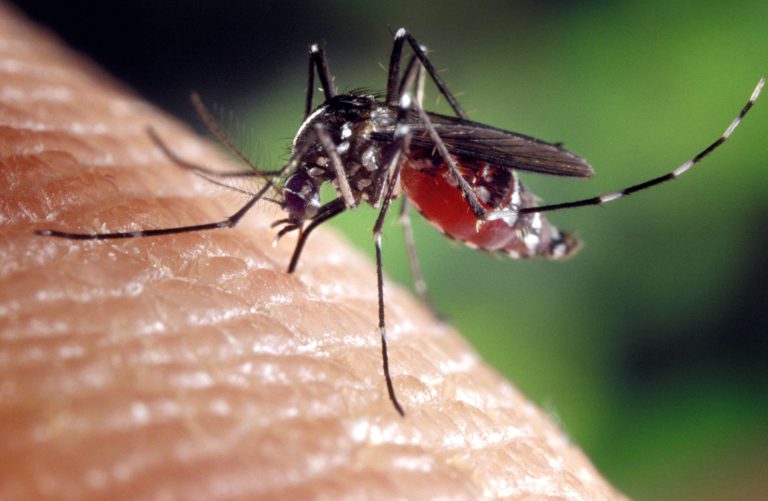
There are many different diseases that spread in the environment and infect men and animals through the diffusion of viral vectors transmitted by insects. Mosquitoes play a relevant role in the diffusion of the viruses responsible for diseases such as malaria, Zika, Chikungunya, Dengue, yellow fever, encephalitis and West Nile fever.
Many of these pathologies still lack effective remedies, being typically diffused mainly within the African and Asian emerging countries where the health facilities and the wide access to medicines are not so easily available as in the Western economies. According to the “World Malaria Report 2015” published by the World Health Organisation (WHO), 214 mln new cases of malaria were diagnosed just in 2015 (88% in the African region), and 438 thousands were the number of deaths.
New Zika cases are becoming more frequent even in Europe and in the United States. A Dengue’s epidemic caused a health alarm in the Hawaii Islands last February, with more than 250 confirmed cases of the disease since the last quarter 2015. Italy was concerned in 2007 by a Chikungunya’s epidemic, with 217 confirmed cases.
GMO-mosquitoes emerging from the labs
Andrea Crisanti, Imperial College London
«Mosquitoes are the main health issue at the global level, since they are responsible of approx. 500-600 thousands deaths for malaria each year. Insecticidal agents are a useful tool just on the short time. They were introduced in the 1950s; since then, many advancements have been made to control the diffusion of the vectors. Nevertheless, it has not been possible to eradicate the diseases: insecticides are not the proper solution in certain areas of the globe, and there are other reasons ranging from the will to the lack of logistics and to the resistance developed by many types of mosquitoes», tells Andrea Crisanti.
The Italian researcher of the Imperial College London is involved in the identification of novel strategies to obtain genetically modified (GMO) mosquitoes in order to prevent the diffusion of malaria as well as of other diseases. He used the so-called gene drive technique to engineering Anopheles gambiae (the main vector for malaria) using CRISPR-Cas 9 technologies. The team inserted three genes able to sterilise the female mosquitoes with recessive phenotype1. «Our hypothesis is that the genetically modified mosquitoes cannot transmit the disease; if their fertility or reproductive capacity is reduced they might undergo extinction. The genes we have inserted are selectively activated in the females. Once released, these genetic modifications are able to propagate», explains the researcher.
This technology is just one of the many examples which are under scrutiny in many different laboratories world-wide. There are more than 10 thousands different species of mosquitoes, and just approx. 30-35 of them are responsible for the transmission of viral vectors to men and animals, tells the expert to Pharma World. «We have demonstrated that our method works. We are now working at the second and third generation prototypes, and we plan to be on-field in approx. two years», tells Crisanti.
Anopheles mosquitoes are typical of the African ecological niche and are not able to adapt to the temperate climate typical of the Mediterranean region. Aedes aegypti is widely diffused in Africa, Asia, South and Central America and is the responsible of the transmission of viruses such as Dengue or Zika. Aedes albopictus, the so-called “tiger mosquito”, in an highly invasive species which is able to adapt to the different climates, from tropical to temperate ones. «Albopictus has colonised the south of Europe during the last 25 years. It is able to transmit the virus of several different diseases, among which Chinkungunya and Zika», tells the expert.
Other emerging technologies
The self-limiting gene technique is the core technology of U.K.based Oxitec, used to modify the genetic material of the male mosquitoes through the insertion of the tTAV (tetracycline repressible activator variant) suicidal gene. Once released in the environment, the mutation is transmitted by the males to their progeny, which undergo death before reaching the adult age. The technique limits the spread of mosquitoes, possibly up to the complete extinction of the original pool carrying the diseases’ vectors. According to Oxitec, the tTAV gene does not produce toxic proteins, thus the GMO technology would be safe and should not have any consequence for animals feeding with mosquitoes. The approach has been subject to on-field trials in Brasil, Panama and Cayman Islands; according to the company, the success in the reduction of the native mosquitoes populations has been of at least 90% in all tests. An issue affecting the Oxitec’s technology could be represented by the inactivation of the tTAV gene in livestock treated with tetracycline to prevent diseases. «Even in such an instance, the quantity is low and the residual fertility is approx. of 5%. This is not a negative effect, because it causes an increase of the effect in the following generations. The genetic modification auto-extinguishes, there is a decrease of its frequency generation after generation», says Crisanti. In order to better trace the fate of the modified mosquitoes once released in the environment, the OX513A strain is characterised by a fluorescent marker which helps in the identification of the progeny.
Not-GMO mosquitoes
MosquitoMate is a start up company of the Kentucky University focusing on a different approach to the problem, without genetic modification of the mosquitoes’ genome. The company core technology is based on the insertion in the mosquito’s organism of the Wolbachia bacterium, typical of many species of flies. The National Institutes of Health issued a $ 1.3 mln grant in favour of MosquitoMate in order to develop new bio-pesticides approaches to fight the diffusion of the tiger mosquitoes. The on-field trials begun in June 2015 in an 5,7 acres area of South El Monte, California, under the coordination of the Greater Los Angeles County Vector Control Agency. The Wolbachia bacterium sterilise the male mosquitoes; the fertilesed eggs cannot develop more than up to the very early phases. According to the Greater Los Angeles County Vector Control Agency, the area has been characterised by a great increase in the presence of the West Nile virus (42% in October 2015 vs. 16% of 2014).
«The use of the Wolbachia bacterium does not require a genetic modification: it stimulates the immune system of the insect, which become able to destroy the virus. This type of mosquitoes are semi-immune of the Dengue virus, it is still not clear if also for Zika», tells Crisanti.
The bacterium Wolbachia pipientis is studied also by the researcher of the Monash University, Australia, who received a grant by the Bill & Melinda Gates Foundation. According to the MIT Technology Review, the approach could be tested on-field in Colombia as a part of a project aimed to protect the city of Medellin (3 mln inhabs.) from the Dengue virus. The costs for the intervention using the Wolbachia technology would be lower (1$ per protected person) with respect to the GMO-mosquitoes (7$ per protected person), writes the MIT magazine.
The regulatory impact
«We are in an unexplored field from the regulatory point of view, there are no legislative frameworks available for these technologies – tells Andrea Crisanti. – The situation is rapidly evolving, work is on going to better understand the limits and risks of these techniques, and the important issues to be evaluated. For Zika, for example, there are several levels of risk. It is very low for the Oxitec’s technology, because the genetic modification does not propagates, or it does so at a very low level. From the ecological and food chain point of view, there are so many mosquitoes that it is probable that the extinction of a species in the food chain would be replaced by another species. Technologies such as the one we are developing are more problematic, as they imply the propagation of a genetically modified element. It is necessary to evaluate the rate and type of mutation, the phenotype it confers, the possibility to limit mutations and the occurrence of adverse effects. Several discussion tables are active on these issues, including also the authorities of the countries involved in the on-field trials. We need also to consider the technology transfer and educational processes: an informed evaluation would be the optimal for the adoption of a technology by a country, they should be able to directly judge it». The WHO and the Food and Drug Administration have issued statements to clarify their position on these emerging technologies, with a particular focus on the Oxitec’s one. We wait the results of the many on-field trials to better understand the sustainability for the human and animal health and for the environment of this new type of emerging technology.
The position of the authorities
According to the WHO note dated 17 February 2016, the presumed association of Zika virus circulation with an increased detection of Guillain-Barré syndrome (a pluricausal autoimmune disorder) has been reported in eight countries, including French Polynesia, Brazil, El Salvador, Martinique, Colombia, Suriname, Venezuela and Honduras. In some of these countries, Zika is the only circulating flavivirus, an observation supporting the association.
The WHO highlights that Zika virus has frequently co-circulated with Dengue and Chikungunya viruses. “These viruses cross-react in diagnostic tests, making test results unreliable and putting better tests at the top of the list of most-needed new medical tools”, writes the UN’s Organisation on its web-site. WHO estimated at least 18 months before Zika vaccines could be tested in large-scale trials and encouraged the adoption of newer tools for mosquito control in addiction to traditional methods, in order to achieve an integrated approach that tackle all life stages of the mosquito and fully engage local communities.
The WHO Vector Control Advisory Group (VCAG) has evaluated genetically modified prototype mosquito and has recommended further field trials and risk assessment to evaluate the impact of this new tool on disease transmission. The VCAG also issued in March 2016 a positive recommendation in support of Oxitec’s self-limiting mosquito (OX513A). The Advisory Group noted the way forward for control of Aedes mosquitoes has to change from a reactive approach to sustained, proactive control intervention and remarked on the need to improve “the quality and extent of implementation of vector control interventions to ensure optimal impact – both within the context of the immediate response to Zika virus disease and, more broadly, against all Aedes-borne diseases.”
The U.S. Food and Drug Administration released a preliminary Finding of No Significant Impact (FONSI) on Oxitec’s solution for an investigational trial in the Florida Keys. The finding concluded a field trial of the Company’s OX513A mosquitoes in Key Haven, Florida, would not result in a significant impact on the environment.
Italy’s based multinational Recordati announced the acquisition of 100% of Italchimici S.p.A., an Italian pharmaceutical company with operational headquarters in Milan. The value of the transaction is approx. € 130 million and will be funded from existing liquidity. The signing and closing of the transaction took place at the same time.
Italchimici, with over 40 years of history and € 46 million revenues in 2015, is a consolidated firm in the Italian pharmaceutical market with well-known products in the gastroenterological and respiratory areas, including pharmaceutical products, food supplements and medical devices.
LEO Pharma entered a strategic partnership with AstraZeneca to explore potential new medicines for atopic dermatitis and psoriasis. LEO Pharma acquired the global licence to tralokinumab in skin diseases and the exclusive licence to brodalumab in Europe. Tralokinumab is a potential new medicine, an anti-IL-13 monoclonal antibody, that has completed a Phase IIb study for the treatment of patients with atopic dermatitis. Brodalumab is an IL-17 receptor monoclonal antibody under regulatory review for patients with moderate-to-severe plaque psoriasis. AstraZeneca will manufacture and supply tralokinumab to LEO Pharma. AstraZeneca will retain all rights to tralokinumab in respiratory disease and any other indications outside of dermatology.
A new research collaboration, option and license agreement has been signed between Pfizer and BioRap Technologies, the technology transfer company of the Rappaport Institute for Biomedical Research at the Technion – Israel Institute of Technology. The goal of the deal is to further develop a monoclonal antibody discovered by Prof. Nathan Karin and his team into potential new treatment options for a number of chronic autoimmune diseases. Pfizer has an exclusive option to obtain a license to the monoclonal antibody program. If the option is exercised, Pfizer will be responsible for further development and potential commercialization of any resulting product.
X-Chem, a privately held biotechnology company focused on the generation of novel small molecule therapeutics, entered an expanded global drug discovery collaboration with Bayer across multiple therapeutic areas and target classes. Under the terms of the agreement, Bayer will have expanded access to X-Chem’s DEX™ technology based on DNA-encoded libraries of small molecules with more than 120 billion molecules. The aim of the collaboration is to discover innovative lead structures for complex drug targets in areas of high unmet medical need.
AMRI completed the acquisition of Prime European Therapeuticals S.p.A., also known as “Euticals”, an Italian privately-held company headquartered in Lodi and specialized in custom synthesis and in the manufacture of active pharmaceutical ingredients (APIs). AMRI financed the EUR 315 million transaction through the issuance of approximately 7.1 million shares of AMRI common stock and seller notes totaling EUR 55 million and the remainder in cash.
The 7.1 million shares of AMRI common stock were offered and sold outside the United States to Lauro Cinquantesette S.p.A. (Lauro 57), the sole stockholder of Euticals and an eligible investor.
PCI Pharma Services (PCI) has announced the expansion of its Bridgend UK Clinical site. The facility expansion will provide 37,500 sq ft of additional space in support of the secondary packaging and logistical services provided at the Clinical Services Center of Excellence. PCI is an highly specialized service provider supporting temperature-sensitive therapies, and including liquid nitrogen vapour phase storage below -150°C for Advanced Therapeutic Medicinal Products (ATMPs), as well as bespoke refrigerated and frozen temperatures according to client needs.
Nicox announced the transfer its european and international commercial operations, for a value of up to €26 million, to a newly-founded private company focused on the commercialisation of a portfolio of ophthalmic products in Europe. The new company will combine Nicox’s existing commercial infrastructure and portfolio with the financial resources and capabilities of GHO Capital. Under the terms of the transaction, Nicox will assign related product and trademark rights to the new company. All rights to Nicox’s unencumbered R&D pipeline programs, including AC-170, and rights under the latanoprostene bunod agreement with Bausch + Lomb remain entirely with Nicox.