
The final agreement for the acquisition of Allergan by Actavis has been signed; the transaction is valued $66 billion. The new company will be positioned among the top ten global pharmaceutical companies by sales revenue, with combined annual pro forma revenues of more than $23 billion anticipated in 2015. As Actavis anticipated, the expected permanent financing structure, consisting of a combination of new equity and debt, will support an investment grade rating and provide long-term financing flexibility.
Cristiana Bernini

Approaches to reduce animal use in genotoxicity test
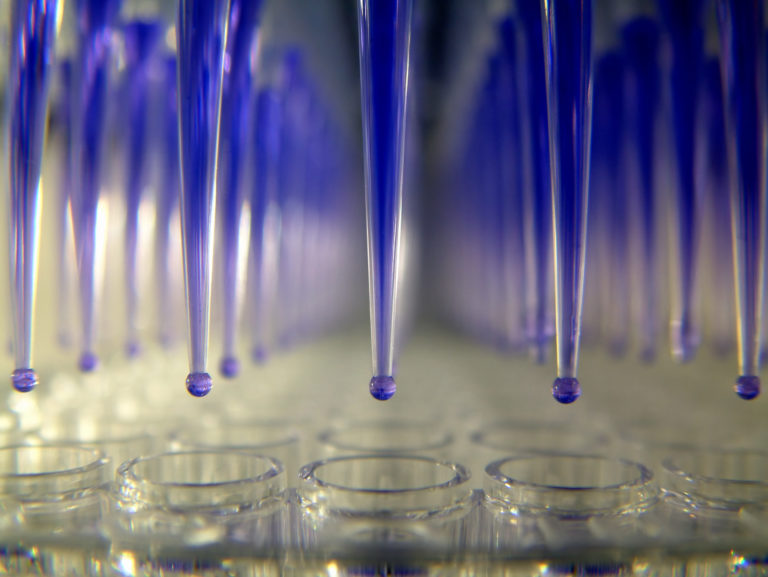

Germano Coppi, Pharmaceutical consultant, AFI
Mutations in somatic cells may cause cancer if they occur in proto-oncogenes, tumor suppressor genes and/or DNA damage response genes (1). Accumulation of DNA damage in somatic cells has also been proposed to play a role in degenerative conditions such as accelerated ageing, immune disfunction, and cardiovascular and degenerative diseases (2,3).
Mutations in germ cells can lead to spontaneous abortions, infertility or heritable damage to the offspring and possibility to subsequent generations.
Separator Caps: the evolution continues

 After Long Life, the first separator cap for mono-dose bottle entirely made of polyethylene in a unique piece, Long Life Super Maxi presents another result of its commitment constantly oriented to the research and development of innovative solutions for primary packaging
Long Life Super Maxi cap is realized in PE in a single piece with a considerably reduced amount of plastic material than the other separator caps present on the market.
4-hydroxycoumarin (4HC) synthesis. Advantages, applications and possible future developments of a new methodology
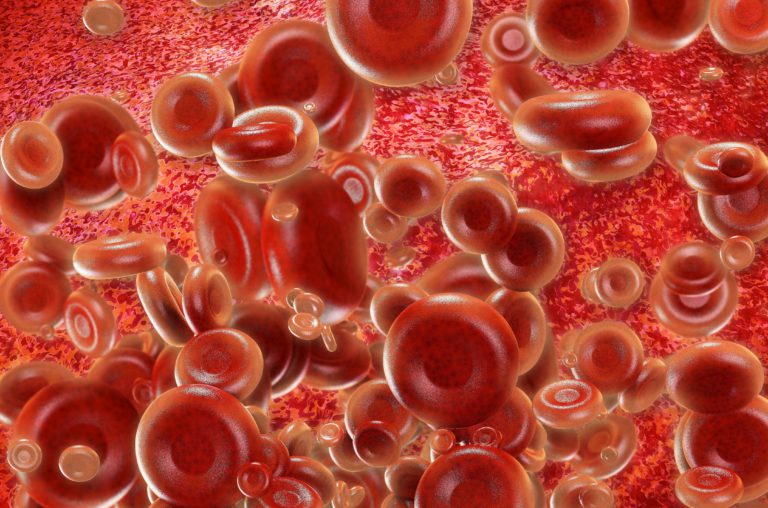
 The University of Georgia (UGA) developed a new method for the synthesis of 4-hydroxycoumarin (4HC) that promises to be cheaper and more environmentally friendly than those currently in use
Simone Montonati
The 4HC is a molecule with anticoagulant properties (by antagonism of vitamin K) used as the starting compound for the production of specific drugs (e.g.: Warfarin and Acenocoumarol) known for their role in the treatment of thromboembolic diseases. The production of this molecule is currently carried out by means of chemical synthesis and through the use of petroleum products, which leads to the double drawback of using a non-renewable resource and creating potentially harmful byproducts.
The way of personalized medicines

 Personalized medicines are not as widespread as expected. Defining and quantifying their use could be of interest to better understand the best policies to propose to aid their adoption
Caterina Lucchini
The development of personalized medicine has been limited in these years and the application and entrance in the Pharmacopaeia marker lowered than expected. Quantifying the use of personalized medicines in multiple geographical regions over time would help monitor the extent to which different policies and health care systems might support their adoption.
Diabete therapeutic targets
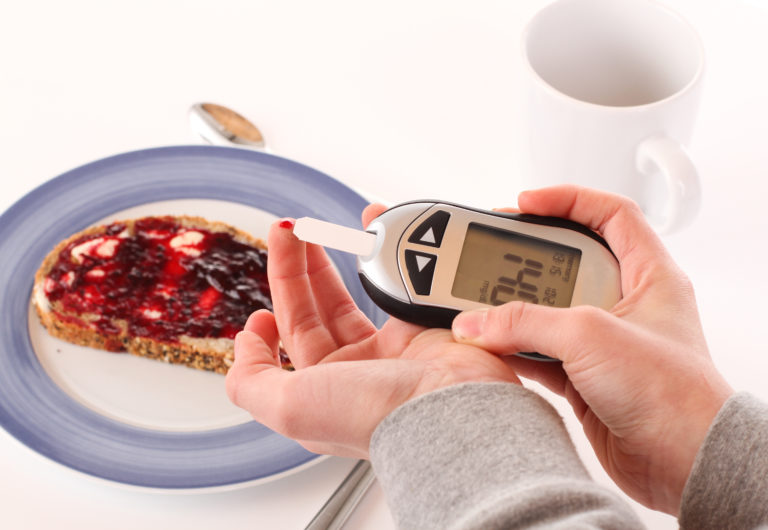
 Research of mechanisms regulating the concentration of glucose in the blood in the past decade allowed to define new therapeutic targets for the treatment of one of the most common diseases in the industrialized world
Caterina Lucchini
Type II diabetes mellitus is among the most prevalent non-communicable diseases in the world. Metformin, sulfonylureas and insulin are the traditional treatments proposed for the pharmacological control of blood glucose in these patients. Research in the last decade has discovered new targets for type II diabetes, some of whom have reached the clinical application.
Glucagon-like peptide 1
In humans, glucagon-like peptide-1 (GLP-1) is secreted after food intake to reduce the concentration of glucose in the blood by acting on the processes of insulin secretion and glucagon release. GLP-1 is also involved in delaying gastric emptying, suppress the appetite and potentially inhibit apoptosis of β cells of the pancreas.
Mergers and acquisitions for big pharma

 A new round of M&A deals is on going as a response to the increased market pressure and to the need to fill pipelines with promising candidates
Giuliana Miglierini
Mergers and acquisition deals are a periodical characteristic of the pharma business, a mechanism to create new value for big pharma industries in order to keep their leading positions in a narrower market environment. Old blockbusters are already expired or very close to, and there is no sign of new medicinal products able to repeat their performances. Furthermore, economical pressure on markets asks for increasing price control. Under these conditions, the easier way to create value for stakeholders is through M&A operations.
Antimicrobial resistance. An underestimated hazard

 Microbial infections might represent a potential hazard for the public health, says WHO. But there are very few new molecules in the pipelines to replace traditional antibiotics, and pharma industry is reluctant to invest in the field
Giuliana Miglierini
The WHO’s Antimicrobial Resistance – Global report on surveillance 2014 clearly states that the problem of antibiotic resistance is so serious that it may represent a real danger with respect to the achievements of modern medicine.
Daclatasvir to treat chronic hepatitis C
The European Commission granted a marketing authorisation valid throughout the European Union for Daklinza (Daclatasvir) on 22 August 2014. Daclatasvir is an antiviral medicine used in combination with other medicines to treat chronic hepatitis C in adults. Daklinza must be used in combination with other medicines for chronic hepatitis C, such as sofosbuvir, peginterferon alfa and ribavirin. Daclatasvir blocks the action of a protein in the hepatitis C virus called ‘NS5A’, which is essential for the virus to multiply. By blocking this protein, the medicine stops the hepatitis C virus from multiplying. It is effective against genotypes 1 to 4.
Ataluren for a subgroup of Duchenne patients

 The European Commission granted a marketing authorisation valid throughout the European Union for Ataluren on 31 July 2014. It is used to treat patients aged 5 years and older with Duchenne muscular dystrophy who are able to walk. Duchenne muscular dystrophy can be caused by a number of genetic abnormalities.
Newsstand
-
NCF International n.2 - 2025
-
NCF International n.1 - 2025
-
NCF International n.3 - 2024