Home Authors Posts by Cristiana Bernini

Cristiana Bernini

307 POSTS 0 COMMENTS

Acquisition in haemodialysis

Allmed Group acquired Pronefro Produtos Nefrologicos, a bloodlines manufacturer based in Portugal. Pronefro Portugal and Brazil will become known as Allmed Pronefro PT and Allmed Pronefro BR, respectively.

Allmed Group is global vertically-integrated producer of end-to-end haemodialysis product solutions. The Group employs more than 1,600 staff world-wide and exports to more than 40 countries across the globe. The acquisition strengthens the presence of Allmed in key markets, as well as providing an integrated manufacturing facility within the European Union, with substantial expansion capacity. Financial terms were not disclosed.

Acquisition of contract research laboratory

BioAgilytix announced the acquisition of IPM Biotech, a German-based bioanalytical CRL with expertise in immunogenicity, pharmacokinetics (PK), and pharmacodynamics (PD). In addition to providing a site for BioAgilytix’s European headquarters, the acquisition integrates the IPM Biotech team’s specialized expertise in immune mediated diseases and disorders.

«BioAgilytix is currently a trusted partner to 21 of the top 25 global pharmaceutical and biotech companies – said Dr. Afshin Safavi, founder and chief scientific officer of BioAgilytix. – The addition of IPM’s deep scientific expertise and European presence will enable us to more easily support these customers, and new global clients, who have sites on both continents, particularly in Phase II and III trials».

Acquisition and merger to expand the business

The business of the Ireland-based pharma company Shire is expanding through several deals, the most important of which is the merger with Baxalta announced last January and evaluated approximately $32 billion. The operation should allow Shire to realize a leading biotechnology company focused on rare diseases.

According to the companies, the new born should gain a leading position in the area of hematology, immunology, neuroscience, lysosomal storage diseases, gastrointestinal/endocrine and ereditary angioedema (HAE), with more than 60 programs in development, including over 50 that will address rare diseases, and the newly- approved Baxalta products Antihemophilic factor (Recombinant) PEGylated, von Willebrand factor (Recombinant) and Antihemophilic factor (Recombinant) Porcine sequence. The combined company will also possess a growing franchise in oncology, with approved products and innovative compounds in development, as well as a robust late-stage ophthalmics pipeline.

Shire announced also the completion of the acquisition of Dyax Corp.; the all-cash transaction has been valued at approximately $5.9 billion. Dyax shareholders may receive additional value through a non-tradable contingent value right (CVR) that will pay $4.00 in cash per Dyax share upon approval of DX-2930 for HAE, representing a potential additional $646 million in aggregate contingent consideration.

«The addition of ecallantide and DX-2930 to our portfolio strengthens our leadership position in HAE and, along with the commercial and research and development expertise at Dyax, is a clear strategic fit for us that advances our position as the global leader in rare diseases. We are confident that our patients, particularly those with HAE, will be served for many years to come», commented Shire’s chief executive officer, Flemming Ornskov.

The new Italian Eli Lilly’s insulin formulation plant by TECNinox

0

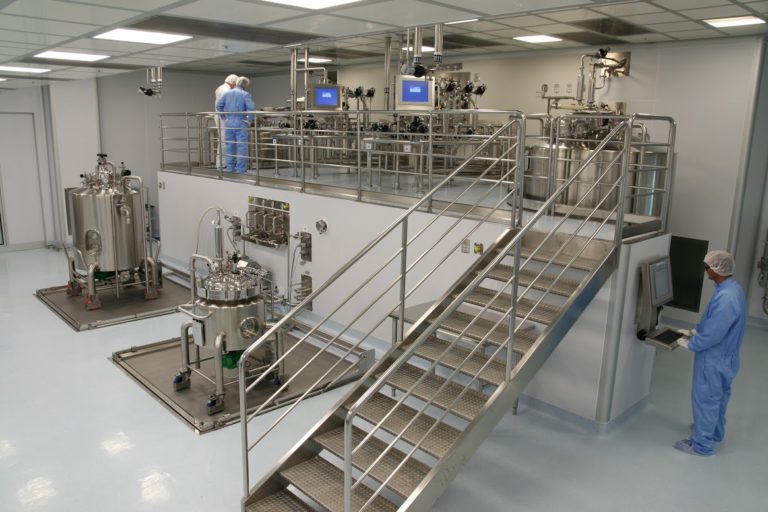
TECNinox gave its engineering technical support to Eli Lilly, when the American Big Pharma, global leader in diabetes care since 1923, decided to invest in Italy and to focus on “made in Italy” technology in order to create its largest biotechnology plant dedicated to the production of insulin from recombinat DNA for the European and extra-European markets. It was a big challenge for the Italian engineering company, based in Noceto (Parma), as the use of innovative technologies and fully automated production plants characterize the production of insulin drug products.

Tecninox FIG 1

The plant

The plant designed by TECNinox is formed by:

  • Formulation tanks
  • Sterilizing filtration lines
  • Stackers
  • Transfer lines to the filling machine.

All the equipments in contact with the product are subject to automated Cleaning in Place (CIP) and Sterilization in Place (SIP) cycles. The CIP systems (skids for the preparation of the washing solutions and distribution lines to the process equiments) were supplied by TECNinox.

Al the above mentioned equipments are located on a platform provided with mobile walls and PVC floor.


Tecninox - FIG2

How it was built

The plant (with the exception of distribution lines made at the client site) was built using the skid technology. This solution was chosen to save time, as it hadn’t been possible to install the equipment in the client’s premises because they had been under construction, and reduce costs, as assembling a skid, containing the equipment in TECNinox’s plant, transport and install cost less than built the formulation insulin plant in the customer’s site.
Tecninox - FIG3

The work area was completely pre-assembled at TECNinox plant and disconnections were reduced as far as possible in order to avoid problems during the transport and the installation at the customer’s premises.

In particularly were supplied:

  • 6 Formulation tanks of different volumes
  • 2 Intermediate tanks to feed the filling machine
  • 2 Sterile stackers
  • 7 Temperature Control Modules
  • 2 CIP Skid

Local “Junction boxes” were used both to connect instruments and valves in the field and to perform I/O checks at TECNinox facilities without performing it again at the final site. This solution made possible to perform Factory Acceptance Test (FAT) and a meticulous verification of the system, that lasted about 3 months. The customer had the possibility to work together with TECNinox staff in order to check all the details of the new plant, and to verify, during FAT, both the mechanical characteristics of the system and the automatic sequences for the insulin formulation and the CIP/SIP of process equipment.

Tecninox - FIG4

This was possible as all the utilities required for the tests, osmosis water, compressed-air, industrial steam, 5°C chilled water, and clean steam, were accessible. PW and WFI water were simulated by using reverse osmosis.

The sterilization quality was assessed in all the concerned points by thermomapping, while the efficiency of CIP washing was evaluated thanks to a bin containing insulin provided by the customer.

Tecninox - FIG5

TECNinox Technical Department had developed all the detailed engineering through a three-dimensional CAD project to optimize the construction and to avoid any interference with the new premises that were built by the customer thanks to an engineering company.

All the professional area managers (process engineer, maintainer, quality responsible, and security mamager) interacted in the development of the three-dimensional project.

Conclusion

In this project, the use of skids and of a cooperative working method were successful. The contract timeline was executed on time and within agreed costs. The project was carried out in harmony and mutual trust among TECNinox, the client and the engineering company responsible of the building of the customer’s premises.

Tecninox

Diabetes today

With more than 366 million people worldwide (and more than 4 million of Italians) suffering from, diabetes is big health issue that it is spreading very fast; the World Health Organization estimates that in 2030 more than 552 million people globally and more than 5 million of Italians will be affected.

Diabetes is due to a lack of insulin or a decrease in its activity. Insulin is a protein, produced by pancreas that regulates the amount of glucose in the blood and its use by the cells lowering the glycaemia. Diabetics are not able to maintain proper levels of glycaemia and, if untreated, show chronic hyperglycaemias (high sugar levels) or hypoglycaemia (low blood sugar), if not properly treated. Both conditions can cause severe and life-threating health problems.

Basing on its origin and its clinical features diabetes is classified as:

  • Type 1 diabetes (total absence of production of insulin)
  • Type 2 diabetes (impaired insulin production or reduced activity). This type of diabetes is spreading very fast as it is linked to an increase of bad lifestyle habits typical of the rich modern western societies.

Unfortunately, diet, exercise and drugs are not always enough to assure the optimal glycaemia control and so the majority of diabetics have to inject insulin regularly.

There are several insulin pharmaceutical products on the market, which differ for their release profile (rapid, intermediate or slow). The crystallization process is essential to assure the planned (rapid, intermediate or slow) insulin release rate.

Divestiture in generics business

0

UCB has closed the definitive agreement for the transfer of its US specialty generics subsidiary, Kremers Urban Pharmaceuticals, to Lannett Company.

UCB will receive upfront cash payments of $ 1.23 billion upon closing. Upon the terms of the transaction, UCB is also eligible to receive contingent payments for methylphenidate HCI ER in the event that the product’s AB-rating is restored.

The earnings obtained from the divestiture will be used by UCB to reduce indebtedness and increase the company’s capacity for strategic investments, and to further accelerate growth and further strengthen its innovative medicines pipeline.

Empagliflozin: new results showing the reduction of cardiovascular events

0

New results of a subanalysis of the EMPA-REG OUTCOME® trial show that, in patients with type 2 diabetes at high risk for cardiovascular events (CV), the reduction in the risk of hospitalization for heart failure or cardiovascular death with empagliflozin compared to placebo – when added to standard therapy – it has been consistent for all subgroups analyzed, including patients with and without heart failure at baseline.

These results were presented on behalf of Boehringer Ingelheim and Eli Lilly and Company at the 2015 Congress of the American Heart Association (AHA) going to Orlando. The data are part of an analysis of the pre-determined secondary endpoints of the study. People with diabetes have a risk two / three times more likely to develop heart failure, compared to non-diabetics. In other new findings, also presented at AHA Congress, empagliflozin shows that, in patients with type 2 diabetes at high risk for cardiovascular events, reduces by 39% the risk for the composite endpoint of hospitalization for heart failure or death from congestive heart failure as compared to placebo, when added to standard therapy. EMPA-REG OUTCOME® is a long-term, multicenter, randomized, double-blind, placebo control group, involving over 7,000 patients with type 2 diabetes at high risk for cardiovascular events in 42 countries. The study was designed to evaluate the effect of empagliflozin (10 mg or 25 mg once/day) added to standard therapy, compared to placebo added to standard therapy. Standard therapy included diabetes medications and cardiovascular drugs (including antihypertensive and lipid-lowering). The primary endpoint was the time elapsed until the occurrence of the first of the following events: death from cardiovascular causes or nonfatal myocardial infarction or nonfatal stroke. In a median time of 3.1 years empagliflozin significantly reduced, by 14% versus placebo, the risk of death from cardiovascular causes or nonfatal myocardial infarction or nonfatal stroke. Treatment with empagliflozin also led to the reduction in the risk of mortality from all causes by 32% and the risk of hospitalization for heart failure by 35% .The overall safety profile of empagliflozin was in line with that seen in previous studies. The incidence of diabetic ketoacidosis was equal to or less than 0.1% and similar in all treatment groups. Empagliflozin is an inhibitor of the sodium-glucose co-transporter type 2 (SGLT2) oral, highly selective, once-daily, approved in Europe, the United States and other countries for the treatment of adults with type 2 diabetes.

ODYSSEY: a study to assess the potenital cardiovascular benefit of alirocumab

0

Sanofi and Regeneron Pharmaceuticals, Inc. today announced that the companies have completed enrollment in the global Phase 3 ODYSSEY OUTCOMES trial, which is prospectively evaluating the potential cardiovascular (CV) benefits of alirocumab after an acute coronary syndrome (ACS). The 18,000-patient ODYSSEY OUTCOMES trial is expected to be completed in 2017. ODYSSEY OUTCOMES is designed to determine whether the addition of alirocumab to intensive statin therapy reduces major adverse cardiac events among patients who had previously experienced an ACS, such as a heart attack or unstable angina. The primary endpoint evaluates the time to first occurrence of coronary heart disease death, acute myocardial infarction, hospitalization for unstable angina, or fatal and non-fatal ischemic stroke. Patients with recent ACS were selected as the study population because they face a higher risk of recurrent events than patients with stable cardiovascular disease. The global ODYSSEY program includes 16 Phase 3 trials conducted at more than 2,000 study centers, around the world, and once complete will evaluate more than 25,000 patients. Data from this program helped form one of the most comprehensive data sets ever used for the initial regulatory filing of a cholesterol-lowering therapy. In completed trials, Praluent reduced LDL cholesterol by up to an additional 62 percent versus placebo, and was generally well-tolerated with an acceptable safety profile.

Conditional approval for blinatumomab to treat B-precursor ALL

The European Commission granted a marketing authorization valid throughout the European Union for blinatumomab on 23 November 2015. Blinatumomab is a cancer medicine used to treat adult patients with B-precursor acute lymphoblastic leukaemia (ALL), a type of blood cancer. In B-precursor ALL, certain cells that give rise to B-cells multiply too quickly and eventually these abnormal cells replace normal blood cells. Blinatumomab is used when the ALL has come back or has not responded to previous treatment. It is used when the patients are “Philadelphia-chromosome-negative” (Ph-). This means that some of their genes are not re‑arranged forming a special chromosome called the Philadelphia chromosome, which is found in some patients with ALL. Blinatumomab was designated an ‘orphan medicine’ on 24 July 2009. Blinatumomab is a type of antibody that has been designed to recognise and attach to two proteins:

  • CD19, which is found on the surface of all B-cells, including ALL cells;
  • CD3 on the surface of T-cells (cells of the immune system responsible for killing pathogens and cancer cells).

Blinatumomab acts as a “bridge” to bring the T-cells and the B-cells together. This activates T-cells, which release substances that eventually kill B-cells.

Blinatumomab has been studied in one main study in 189 patients with Ph- B-cell precursor ALL whose leukaemia had come back or had not responded to treatment. Patients were given Blinatumomab for up to five treatment cycles. In this study, Blinatumomab was not compared with any other treatment. The main measure of effectiveness was based on the percentage of patients who, after two treatment cycles, responded to treatment, measured as resolution of signs of leukaemia and complete or partial normalisation of blood cell counts. The study showed that 42.9% (81 out of 189) of patients given Blinatumomab responded to treatment. In most patients who had a response, there was no evidence of cancer cells left. The average survival time before the cancer came back was around 6 months, which could enable suitable patients to undergo a blood stem cell transplant. The most common side effects with Blinatumomab are infusion-related reactions, infections, pyrexia, headache, febrile neutropenia, peripheral edema, nausea, hypokalaemia, constipation, anaemia, cough, diarrhoea, tremor, neutropenia, abdominal pain, insomnia, fatigue and chills. The most serious side effects were infections, neurologic events, neutropenia with or without fever, cytokine release syndrome, and tumour lysis syndrome. Since Blinatumomab has been granted a conditional approval, the company that markets Blinatumomab will provide data from a larger study comparing the effectiveness Blinatumomab to standard chemotherapy in Ph- B-precursor ALL patients. An additional study will look at the safety and use of Blinatumomab in clinical practise.

Mepolizumab in the treatment of asthma

The European Commission granted a marketing authorization valid throughout the European Union for Nucala on 2 December 2015. Nucala is an asthma medicine used to treat adults with a particular type of asthma called eosinophilic asthma. It is used with other medicines in patients whose asthma is severe and not well controlled with previous treatments. In eosinophilic asthma, symptoms are associated with having too many of a type of white blood cell called eosinophils in the blood and in phlegm in the lungs. The active substance in Nucala, mepolizumab, is a type of protein called a monoclonal antibody, which attaches to a specific substance in the body. Mepolizumab attaches to a substance called interleukin-5 which encourages the production and survival of eosinophils. By attaching to interleukin-5, mepolizumab blocks its action and thereby reduces the numbers of eosinophils. This helps to reduce inflammation, resulting in a reduction in asthma attacks and improvement of symptoms. The benefits of Nucala in severe eosinophilic asthma that is not well controlled by previous treatment have been shown in three main studies, in which it was compared with a placebo (dummy) injection. The first study involved 616 adults and adolescents given Nucala every 4 weeks for a year, in addition to their regular asthma medicines. The second study involved 576 adults and adolescents given Nucala every 4 weeks for 28 weeks. The main measure of effectiveness in these studies was the number of severe attacks (exacerbations) of asthma that occurred during treatment, which was reduced by about half in patients given Nucala. The third study involved 135 patients with eosinophilic asthma severe enough to need regular treatment by mouth with corticosteroids (potent anti-inflammatory medicines such as prednisone and prednisolone), and the main measure of effectiveness was how much the corticosteroid dose could be reduced using Nucala for 24 weeks compared with placebo. Over half (37 of 69) of the patients given Nucala were able to reduce their daily corticosteroid dose by more than 50% to a dose of 5 mg or less, and 10 of them were able to stop corticosteroids altogether, compared with about a third of those given placebo (22 of 66, of whom 5 were able to stop corticosteroids). The most common side effect with Nucala is headache; reactions at the site of injection and back pain are also common, affecting up to 1 patient in 10.

First digital medicine application accepted by FDA

The United States Food and Drug Administration (FDA) accepted a new drug application for a drug-device for measuring adherence to antipsychotic treatment for adults with schizophrenia, bipolar disorder, or major depressive disorder. The Digital Medicine, first in the world, is a drug/device product that combines Otsuka’s ABILIFY® (aripiprazole) for serious mental illness, embedded with the Proteus® ingestible sensor in a single tablet to digitally record ingestion and, with patient consent, share information with their healthcare professionals and caregivers. With the consumer’s consent, the sensor communicates with a wearable sensor patch and a medical software application to share information with the consumer’s care team about when the medication was taken. The system also tracks the consumer’s physiological responses, such as sleep patterns and physical activity levels. An estimated average of 50% of patients with chronic diseases in developed countries do not take medicines as prescribed, possibly limiting the effectiveness of those medicines. In the U.S., this may result in an estimated $100-300 billion in avoidable healthcare costs due to direct costs such as unnecessary escalation of treatment as well as indirect costs*1,*2. For example, patients suffering from chronic mental disorders such as schizophrenia are often required to take medication for long periods, and it is not unusual for these patients to discontinue taking their medication, or not take their medication as prescribed, which can lead to disease relapse and recurrence.

Newsstand

  • Supplement to n.5 - October 2025 NCF International n.2 - 2025
  • NCF International n.1 - 2025
  • Supplemento to n.9 - October 2024 NCF International n.3 - 2024