The new collaborative research agreement between Teva Pharmaceutical Industries and AbCellera will allow to exploit the high-throughput single cell antibody platform for the discovery of rare monoclonal antibodies. Under the terms of the agreement, AbCellera will receive an upfront payment, research payments, and is eligible to receive undisclosed downstream milestones associated with the development and approval of therapeutic antibodies.
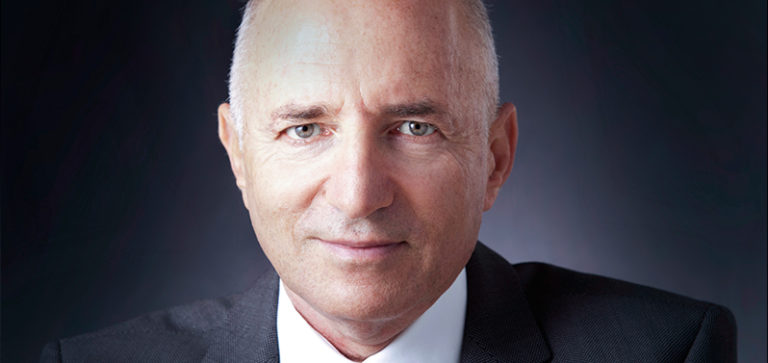
“This agreement will be complementary to our existing antibody discovery process with the potential to strengthen Teva’s capabilities in novel biologics discovery”, said Michael Hayden (photo), president of Global R&D and chief scientific officer at Teva.
The specialist healthcare investment firm LSP (Life Sciences Partners) and Bristol-Myers Squibb entered a strategic collaboration to identify European breakthrough technologies and products in immuno-oncology and other areas of unmet medical need. The operation represents the first investment made by Bristol-Myers Squibb in a European healthcare fund. A representative of Bristol-Myers Squibb will be joining the LSP 5 Advisory Board.
LSP (Life Sciences Partners) is an independent European investment firm, providing financing for private and public life-science companies. Since the late 1980s, LSP’s management has invested in a large number of highly innovative enterprises.
Janssen Pharmaceuticals and Bavarian Nordic closed a collaboration and license agreement to jointly develop their respective technologies, MVA-BN® and AdVac® technology, for the development and commercialization of a heterologous prime-boost vaccine for the treatment of Human Papillomavirus (HPV) chronic infections. The goal is to develop a therapeutic vaccine to intercept HPV infection-related disease, particularly in women and men who are diagnosed with HPV early, by enhancing the ability of the immune system to treat chronic infections and prevent progression to cancer.
Janssen will conduct all clinical development and, subject to regulatory approval, will be responsible for registration, distribution and commercialization of the potential combination vaccine worldwide.
Aptuit, a global drug discovery and development CRO, and Icagen, which provides scientific expertise and comprehensive access to technologies for ion channel and transporter assays, announced a strategic alliance aimed to provide comprehensive and integrated services and access to best-in-class fully integrated drug discovery and development solutions for the specific target classes, supported by a shared culture of scientific excellence and innovation.
The strategic alliance will give Aptuit’s customers access to Icagen’s portfolio of assay tools, including the extensive collection of unique ion channel cell lines and their proprietary XRpro® X-ray fluorescence technology platform. Icagen’s customers are expected to benefit from Aptuit’s wide range of integrated drug discovery solutions, including medicinal chemistry, in vitro DMPK, discovery pharmacology, computational chemistry and best-in-class analytical discovery support.
Sanofi and Boehringer Ingelheim entered into exclusive negotiations to exchange the Sanofi animal health business (“Merial”) and Boehringer Ingelheim consumer healthcare (CHC) business. Boehringer Ingelheim CHC business in China would be excluded from the transaction.
The deal, which would also include a gross cash payment from Boehringer Ingelheim to Sanofi of €4.7 billion. According to Sanofi, the operation would allow the company to become the first player in CHC, with expected pro forma sales of approximately €5.1 billion in 2015 and a global market share close to 4.6%. Sanofi should improve its position in Germany and Japan and gain access to important brands in antispasmodics, gastrointestinal, VMS and analgesics, and attain critical mass in the cough & cold area.
The combination of Merial’s and Boehringer Ingelheim’s complementary strengths would create the second largest player in the global animal health market, with the ability to compete for global market leadership
AstraZeneca announced the intention to acquire the 55% of the equity stake in the privately-owned biopharmaceutical company Acerta Pharma for an upfront payment of $2.5 billion. A further unconditional payment of $1.5 billion will be paid either on receipt of the first regulatory approval for acalabrutinib for any indication in the US, or the end of 2018, depending on which is first. The deal provides access to the candidate irreversible oral Bruton’s tyrosine kinase (BTK) inhibitor, acalabrutinib (ACP-196), currently in Phase III development for B-cell blood cancers and in Phase I/II clinical trials in multiple solid tumours.
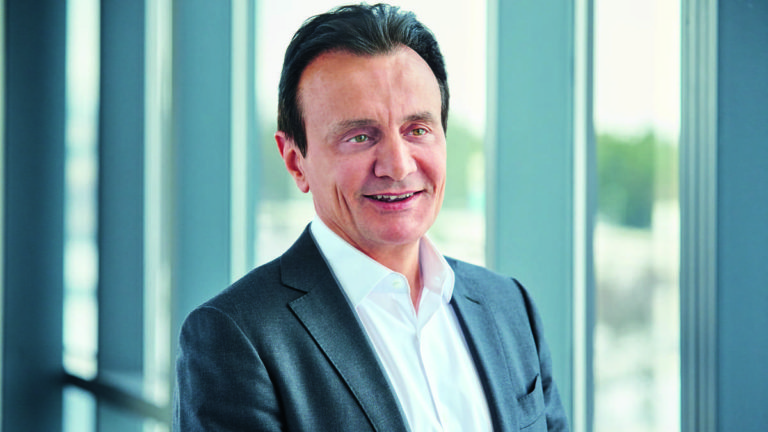
“We are boosting a key area in our comprehensive oncology portfolio with a late-stage, potential best-in-class medicine that could transform treatment for patients across a range of blood cancers”, said Pascal Soriot (photo), chief executive officer of AstraZeneca.
Pharma World Magazine continues its journey around the world of Technology Transfer and now it makes a stop in Milan to discover TTFactor, a great and important example not only domestically but also internationally.
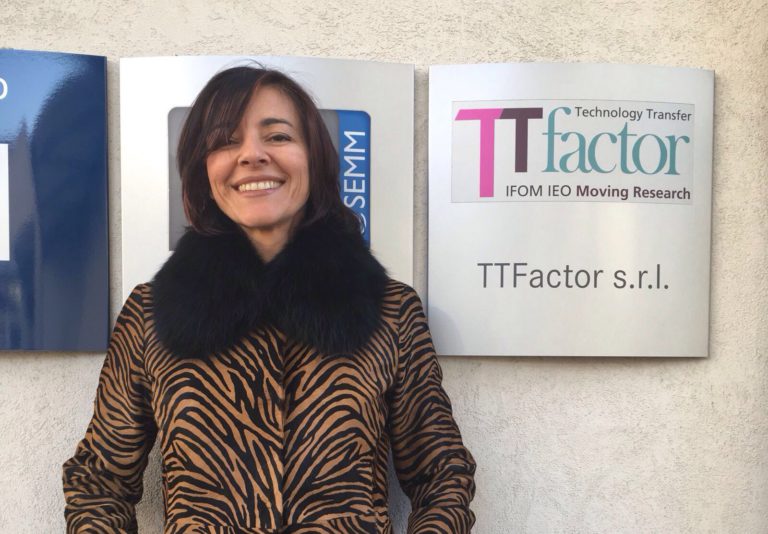
Daniela Bellomo, founder and Managing Director of TTFactor
Pharma World Magazine meets Daniela Bellomo, founder and Managing Director of TTFactor, in order to know more about this Italian private Company and understand how technology transfer can be a winning strategy for the future of Biotech.
Mrs. Bellomo, could you tell us what TTFactor is?
TTFactor is a private Company that deals with the technology transfer of research projects, at the time, of 3 structures, the European Institute of Oncology (IEO), the FIRC Institute of Molecular Oncology (IFOM) and the Monzino Cardiology Centre (CCM). I say “currently” because one of our aims is to expand our portfolio by entering into agreements with other research facilities.
Our mission is to help researchers and clinicians in the evaluation of the commercial potential of their research and promote the relationship with Industry to foster the development of their inventions. In a few words TTFactor can be considered as a motor to transform a worthy idea in a product accessible to the patient, whether it is a diagnostic or a therapeutic. Currently only 38% of Phase III oncological drugs manages to reach approval. The failure rate is too high and reasons are many. The TTFactor challenge is to select research projects as soon as possible, trying to identify ideas that can really have an important meaning and application.
What does it mean for a research Center to rely on a private facility for technology transfer?
Regarding our case, TTFactor is the exclusive licensee of all intellectual property of IEO and IFOM, who are the founders institutions. We also manage the intellectual property of the Monzino Center on an exclusive consulting arrangements with annual renewal. Our job is the evaluation of projects, scouting into laboratories, the filing patents, stipulating enhancement agreements with industry and venture capital. Processes are streamlined. The agreements are signed jointly with research Center without the need for further and approvals steps between different offices. Our model “one-stop shop” is well established and is the result of several years experience.
How do you select a winning project?
Skills and experience are the most important things. The expertise in biotech and pharmaceutical items is certainly fundamental, but not sufficient to ensure a technological transfer of worth. That is why our team includes people with mixed background, academic and industrial, PhD or science graduates who have acquired master’s degree in Economics or Law and who are skilled and know what factors are important to recognize a potential new drug. The team is then also completed by skilled lawyers in intellectual property, contracts, patents, licensing and management. The team may also relies on the skills of managers used to working with healthcare and italian finance, international professors and experts in technology transfer and venture capital representatives.
All these skills put together create a “filter” very narrow allowing you to select the most deserving research projects from the commercial point of view and give credibility and visibility at international level. Thanks to this filter, we evaluated 137 inventions but we have filed only 30 patents.
What does it mean to support the project along its business development?
Technology transfer should include the complete development chain of a drug or a diagnostic, and take into account the high risk of the steps, such as pre-clinical research and clinical trials on humans, until the post-marketing time with the surveillance of side effects (pharmacovigilance). As we have already said, Phase III oncological drugs have a very high rate of failure. This problem may be due to a poor selection of the products at the beginning, or also in a disconnection between the development of the drug and the study of the target on which it should act. With the introduction of biotech, mass medicine has given way to the customized/personalized medicine and this is crucial, while a drug is on development, continue to check and validate the target. Only in this way, we can get to Phase II trials with an idea as accurate as possible of patients who will respond to therapy we have been studying. Technology transfer is therefore the key to creating an integrated system of research, clinical and industry to optimize the final result, and reach the principle goal, which is to bring a benefit to the patient.
Why choose a structure specialized in technology transfer?
Many have tried on their own to carry out a research project from the idea to the market, but in most cases the efforts have not come to an end and the process has not generated value, because if not structured properly the relationships between research and industry and venture capital, are random, usually very difficult and especially not always advantageous for University or research facility. Researchers do not always have the skills to understand if the financial terms of their contracts are correct and lined with international standards or if they provide the right guarantees to the Institute. These are issues that we know rather well, thanks to our affiliation to the European and American associations of technology transfer. By the way, I am director of EU-LIFE to which refer 13 Technology-Transfer institutions in many European countries with the aim of identifying and establishing best practices for technology transfer at Community level.
I think it is also important underline that as Italian we have to deal with a very complicated regulatory system that does not stimulate the generation of value, and above all does not protect the intellectual property. That’s is just the opposite compared to the US where forty years ago Bayh-Dole Act or Patent and Trademark Law Amendments Act (Pub. L. 96-517, 12 December 1980) was adopted. Thanks to this law the US government recognizes the intellectual property of researchers who finances as long as the research institutes to organize and structure the technology transfer processes, giving licensed products preferentially to American companies. This law has given a significant boost to the creation of new SMEs and momentum investors, who felt protected by the government. In this way the United States built the biotech industry, but not only. Thanks to the protection of intellectual property, hospitals, even the size of our Italian, now can boast massive return of royalties and therefore can continue to finance their research. In this scenario, you can easily understand how the technology transfer is not a cost, but an investment.
In Italy the situation is quite different, as we have said, there is no legal protection of intellectual property. In this scenario, then a structure that deals with technology transfer becomes a value only when it aims to create a process similar to that stimulated by the United States, for the researchers and the University an economic return when the invention will become product. Only in this way the search will continue to finance itself.
When can you define “finished” the work of technology transfer?
Generally the technology transfer work ends with the licensing contract or patent license, which are made with the companies. Specifically, we have contracts only with companies that guarantee us to commit to develop the product. Our contracts indeed provide the guarantee for its development under penalty of restitution of the project when the company, for whatever reason, is not able to carry it forward. It’s a very important point, because in this way we can avoid that investors acquire the license of some projects only to block them and thus avoid competition on the market.
The process of technology transfer also protects basic research, or threatens to collapse?
Basic research is fundamental to any applied research; to protect it we always specify in our contracts that companies can not in any way affect or influence the activities of researchers, however, it guaranteed them the right to acquire the patents and insert it into their development plan if the project becomes interesting from a commercial point of view.
What stages of the research deals with the transfer of technology?
Obviously it depends on the structure. In our case, we have recently signed an agreement with the first accelerator of the Italian biotech, which will allow access to selected projects in the funding allocated to the early stages of preclinical development of a project, those at higher risk, on which large companies usually they are little interested in investing. We did not include any form of exclusivity to the accelerator that I like to describe it as one more weapon to facilitate the creation of value around the most promising projects of the institutions we represent.
Maria Luisa Nolli presents Daniela Bellomo
Daniela Bellomo is a colleague for many years now; I have been collaborating with her in the business associations since the early 2000s, when the transfer of technology was still in its infancy in Italy and she, at San Raffaele Hospital, was trying to explain how a collaborative relationship between University and Industry could enhance the research projects.
She is a founder of TTFactor that is the first private enterprise in Italy to deal with tech transfer, and has very unique features like that to be inside one of the most important Italian research centers, to have a scientific board including international experts and to have a unique focus and expertise in intellectual property.
Daniela seems determined to continue this work began with determination and that is bringing significant results in the scenario of tech transfer not only italian but also international.
She is a member of the Women & Technologies, the association created by Gianna Martinengo to enhance the female talent through technologies. We organized together two events as part of the prize “Women & Technology”. In 2010 she received Camuna Rose award for innovative women’s entrepreneurship.
With the rapid devolution of CRISPR/Cas-9 techniques, the modification of the genomic material has become very easy and accessible. The potential of gene editing include not only biopharmaceutical development, but also agro-research and the prevention of viral-transmitted diseases.
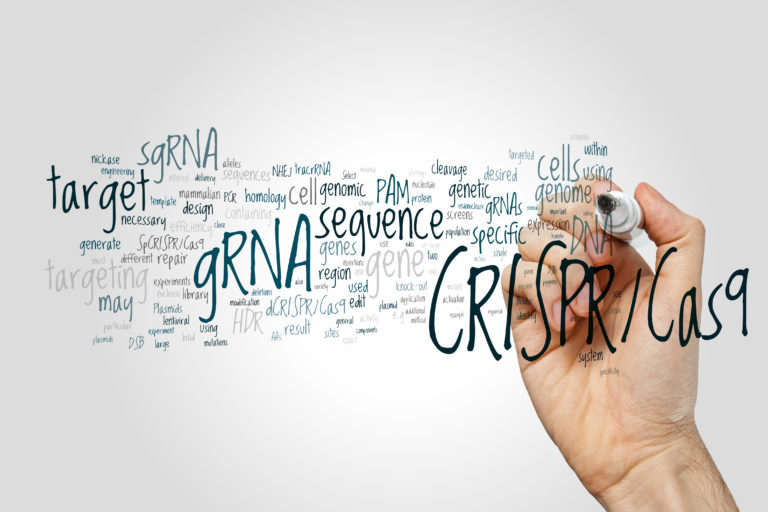
CRISPR/Cas9 system for editing, regulating and targeting genomes (biotechnology and genetic engineering) word cloud
The CRISPR/Cas-9 technique of gene editing has been indicated by the scientific magazine Science as the “Breakthrough of the Year 2015” technology1. The method allows for the modification of the genomic material of living organisms, with a very broad set of potential application. Just as an example, the first experiments on the human embryo were authorised at the beginning of 2016 at the Francis Crick Institute in the United Kingdom in order to better understand the genes involved in the correct foetal development.
CRISPR/Cas-9 techniques were first published in 2012: their rapid diffusion is connected with the very simple procedures and flexibility of application and to the low costs compared to other gene modification techniques: no more than 30$ are sufficient to run a basic experiment, according to Nature2.
The many advantages and the ethical concerns of gene editing have been deeply discussed by the scientists attending the International Summit on Human Gene Editing in December 2015: the final Statement highlights the risks also associated to the use of CRISPR/Cas-9 techniques on the human being and the need to urgently reach a wide social consensus towards their application to manipulate the human embryo for clinical applications. Jennifer Doudna, one of the inventors of the new method, reported on Nature3 her nightmares about the potential impact CRISPR/Cas-9 might have if improperly used.
Human embryo’s manipulation
Paolo Vezzoni
The first scientific paper describing the genetic modification of non-vital human embryos was published on Protein & Cell4 in April 2015 by a group of the Chinese Sun Yat-sen University at Guangzhou: gene editing was used in triploid zygotes cells to correct the gene responsible for sickle-cell anemia. «The Chinese researchers used the embryos which were unuseful for in vitro fertilisation procedures as they had an abnormal DNA content, incompatible with the normal development», tells Paolo Vezzoni, who is managing the Institute of Genetic and Biomedical Research (IGBR) of CNR at the Humanitas Hospital in Milan. The CRISPR/Cas-9 technology has no dark sides, the expert further tells Pharma World. The issues under debate refer to its application only on somatic cells or on germline cells too. If the genetic modification, for example, is made just on the patient’s blood cells, which are then re-implanted into its body, the patient is the only person who need to face the safety issues. «If a germinal cell line is used, the DNA of the modified cell is transmitted to the entire organism, included the newly formed oocytes and the spermatozoa. The same correction will be transmitted to the descendants of the patient», explains Vezzoni. Thus, if a damage occurred with the modified DNA, it will be inherited by the new generations. Before CRISPR/Cas-9, the modification of the genomic content of the human embryo was too difficult to make this theoretical possibility to become real.
How it works
The application of the “clustered regularly interspaced short palindromic repeats/CRISPR-associated protein-9 nuclease” (CRISPR/Cas-9) represents a revolution for molecular biology. Cas-9 genes are coding for enzymes (helicases and nucleases) responsible for the site-specific cut of DNA sequences. The natural repairing machinery is then recruited to repair the damage.
CRISPR/Cas-9 techniques allow to exactly cut the DNA at the point where the new gene should be inserted; the old, damaged genetic material may be removed, or it is inactivated if left in place. «The estimates tell that with a 5-10% correction of the genetic defect, the genetic disease improves and becomes less severe», tells Paolo Vezzoni.
The method could turn very useful also for the delivery of gene therapies, an issue not yet fully solved and which may deeply affect the availability of new treatments for rare diseases. According to Paolo Vezzoni, there are three main obstacles to the full availability of gene therapies: the first bottleneck is represented by the method used to deliver the gene inside the cell. The possible choice falls between viral or not-viral vectors. «Then it is necessary to control the gene once it entered the cell. Finally, it is difficult to target the gene only to the damaged cells. It is not easy, for example, to insert a gene into the cells of the central nervous system. CRISPR/Cas-9 techniques have greatly helped in solving these issues», tells Vezzoni.
A further problem is the possible occurrence of a casual insertion of the new gene, causing an improper reading of the genomic information by the translation machinery, which may result in a further deterioration of the function of the organism. «Leukemia or tumours might develop in such instances», highlight the expert. The technique might be useful, for example, to deactivate the genes responsible for the rejection of pig’s organs in xeno-transplants.
The impact of gene editing technique may also involve the modification of the genome of animals and plants, something which may alter the natural balance between different species in the ecosystem. The method is under study to prevent the transmission of infective diseases, such as malaria, the Dengue fever or ZIka, by mosquitoes. Another field of interest for the application of gene editing techniques is the creation of transgenic or knock-out animals for pharmaceutical research, or of modified plants able to grow under particular environmental conditions or to resist to insects and infesting plants.
The industrial potential
According to the data published by Nature2, the Massachussetts Institute of Technology is currently the leader as for the number of patents on CRISPR/Cas-9 technologies (62), followed by the Broad Institute (57) and the MIT’s bioengineer Feng Zhang (34). Among the industry, the agriculture-focused multinationals Danisco (29) and Dow Agrosciences (28) are deeply investing in the field. Many pharmaceutical and biopharmaceutical companies have already closed deals and research agreements to use gene editing platforms for the discovery and development of new therapies.
The use of CRISPR/Cas-9 techniques in agriculture may proceed slower than its pharmaceutical application because of the debate on the status, genetically modified or not, of the plants obtained with gene editing. «The method allows for the modification of the plant’s genome without insertion of new genes – explains Vezzoni. – It could be argued that the plant should then not be considered a genetically modified organism. The possibility to eliminate noxious insects is very interesting from the theoretical point of view, but it is impossible to exactly evaluate its impact once applied in the real world». The entire ecosystem might be affected by the introduction of modified mosquitoes or flies, and it is yet very difficult to exactly define the sustainability of such kind of intervention5, which for example might be very useful for the prevention of malaria. Many in vivo experiments with genetically modified mosquitoes are on going, and we will further discuss them in a following issue of Pharma World.
The International Summit Statement on human gene editing
The recent world congress on gene editing ended with the issuing of a final statement resuming the conclusions of the Organizing Committee on the ethical and societal concerns emerged from the debate.
Basic and preclinical research. Research should proceed, subject to appropriate legal and ethical rules. Critical issues have been identified on the technologies used for editing genetic sequences in human cells, the potential benefits and risks of proposed clinical uses, and the understanding the biology of human embryos and germline cells. The modified cells should not be used to establish a pregnancy.
Somatic clinical use. Many promising clinical applications are directed at altering genetic sequences only in somatic cells. There is a need to understand the risks, such as inaccurate editing, and the potential benefits of each proposed modification. Proposed clinical uses can be appropriately and rigorously evaluated within existing and evolving regulatory frameworks for gene therapy.
Germline clinical use. Important issues include the risks of inaccurate editing and incomplete editing of the cells of early-stage embryos (mosaicism), the difficulty of predicting harmful effects that genetic changes may have, the obligation to consider implications for both the individual and the future generations. Furthermore, once introduced into the human population, genetic alterations would be difficult to remove and would not remain within any single community or country. Permanent genetic ‘enhancements’ to subsets of the population could exacerbate social inequities or be used coercively. It would be irresponsible to proceed with any clinical use of germline editing unless and until the relevant safety and efficacy issues have been resolved, and there is broad societal consensus about the appropriateness of the proposed application.
Need for an ongoing forum. While each nation ultimately has the authority to regulate activities under its jurisdiction, the human genome is shared among all nations. The international community should strive to establish norms concerning acceptable uses of human germline editing and to harmonize regulations, in order to discourage unacceptable activities while advancing human health and welfare. The forum should be inclusive among nations and engage a wide range of perspectives and expertise.
Source: The National Academies of Sciences, Engineering and Medicine
Who invented gene editing?
Three different scientist are claiming the invention of gene editing techniques: Jennifer Doudna from the University of California Berkeley, Emmanuelle Charpentier, the current director and scientific member at the Max Planck Institute of Infection Biology in Berlin, and McGovern’s and Broad Institute’s researcher Feng Zhang.
The first article describing the method6 was signed in 2012 by both Doudna and Charpentier. The scientist from Berkeley’s University has also been the first to claim intellectual protection. Other observers7 identify Feng Zhang as the first inventor of CRISPR/Cas-9 techniques. A priority dispute is pending at the U.S. Patent and Trademark Office among Doudna and Zhang: something which could turn very important from the point of view of the commercial exploitation of the technology.
The first biotech company focused on gene editing was the spin-off of the Berkeley’s University Caribou Biosciences, founded by Jennifer Doudna and Rodolphe Barrangou. The company has closed collaboration agreements with DuPont for agricultural applications and with Novartis for the screening and validation of new drug targeting systems.
Intellia Therapeutics was founded in 2014 to develop cellular and genetic therapies; the company is collaborating with Novartis. The new division eXtellia Therapeutics was established in 2015 for the development of ex vivo therapeutics.
Doudna and Zhang together founded in 2013 Editas Medicine. The company has signed an exclusive collaboration agreement with Juno Therapeutics.
CRISPR Therapeutics was founded in 2014 by Emmanuelle Charpentier and Daniel Anderson and has established collaboration agreements with Cellgene Corp., Bayer, Généthon and Vertex Pharmaceuticals.
References
Science 18 Dec 2015: Vol. 350, Issue 6267, pp. 1446-1448, doi: 10.1126/science.350.6267.1446
Nature 522, 20–24 (04 June 2015) doi:10.1038/522020a
Nature 528, 469–471 (24 December 2015) doi:10.1038/528469a
Protein & Cell 6, 363–372; 2015
Science 08 Aug 2014: Vol. 345, Issue 6197, pp. 626-628, doi: 10.1126/science.1254287
Science 17 Aug 2012: Vol. 337, Issue 6096, pp. 816-821, doi: 10.1126/science.1225829
Cell, Vol. 164, Issue 1-2, pp.18-28, 14 January 2016, doi:1016/j.cell.2015.12.041
CRISPR/Cas9 system for editing, regulating and targeting genomes (biotechnology and genetic engineering) word cloud
The new European guideline on the risk assessment for pharmaceutical excipients a GMP-like framework for the qualification of the suppliers of these important category of raw materials.
Excipients are no more just an inert raw material used to formulate the active ingredient in a medicinal product: functional excipients have become a central key point in the development of innovative dosage forms in order to tune their properties. The “Guidelines of 19 March 2015 on the formalised risk assessment for ascertaining the appropriate good manufacturing practice for excipients of medicinal products for human us” (2015/C 95/02) has formally regulated some critical steps in the supply chain of excipients through the adoption of a risk assessment procedure similar to those already in place for the active ingredients.
The application of GMPs-like framework and processes to the manufacturing of pharmaceutical excipients represents a sort of revolution in the field: the manufacturer of the medicinal product has to perform a detailed evaluation and validation of the excipient’s suppliers, even if there is still no formal requirement to declare them in the regulatory dossier.
Giovanni Filippin
«Excipients have been historically considered to have no impact on the therapeutic activity of the medicine. There is now an increased awareness about the role excipients may exert with reference to the delivery of the drug: excipients allow for the targeted delivery of the active ingredient», explains the Industrial Business Operation QA Corporate – QA System of Zambon Spa and AFI – Associazione Farmaceutici Industria member Giovanni Filippin.
A change of perspective
From the historical point of view, excipients are considered “poor” raw materials and are described in the monographs of the EU’s Pharmacopoeia with respect to their analytical identification, a step that can require complex procedures but rather simple equipment usually available also in the less sophisticated labs.
Giovanni Boccardi
«The term ”poor” refers to the lower cost of excipients with respect to the active ingredients, with the exception of functional excipients. Even if the change of the supplier does not have an impact from the regulatory point of view, it should require in any case an experimental validation», tells AFI’s member Giovanni Boccardi, a professional at the Istituto di ricerche chimiche e biochimiche “Giuliana Ronzoni” in Milan.
Some fundamental differences have to be considered to distinguish between different types of excipients starting from their origin, further explains Boccardi. «Historically, excipients were obtained from minerals upon purification, i.e. iron oxide or titanium dioxides. It is important to consider the geographical origin of the mineral, because the content of impurities can be higher in certain areas of the globe. Other excipients can be produced by chemical synthesis, a process similar to the synthesis of the active ingredient. Some other may have natural origin from plants, animals or microorganisms, or they might be the result of a chemical modification of a natural compound. When using substances of animal origin, for example, it might be relevant to trace them up to the single animal and its state of health».
The risk assessment
The FMEA model has been adopted for the risk assessment in the theoretical analysis of the impact of the new procedures run by the AFI’s experts. «The “severity” is directly related to patient’s safety and refers to the use and function of the excipient», tells Giovanni Filippin.
The pharmaceutical dosage form and the function of the excipients are the key elements to be considered in the risk analysis. The “occurrence” is the probability that the risk can manifest: it is related to the type of the quality system put in place by the supplier of the raw material, the type of production, the analytical controls and the supply chain «It is possible to evaluate these key elements by mean of a questionnaire sent to the excipient’s manufacturer, or using the data already known by the manufacturing authorisation holder (MAH)», explains Filippin.
The MAH can identify the eventual issues by mean of the “detection” tools, such as the audits run at the supplier facilities, the signature of quality agreements and the quality control on the raw materials upon their arrival at the production site of the final dosage form. «The excipient’s supplier can be classified at low, medium or high risk through periodical evaluation. This audits form the basis to ask the supplier for the implementation of the corrective measures needed to comply with the Good manufacturing practices critical points for the manufacturing of the final medicine», tells the expert of Zambon Group.
The current ranking of the excipient in the risk analysis is calculated through assignment of a score to its different components and it represents the base for corrective measures. «In some cases the score is the result of an internal evaluation, which may be the result of the experience available at the manufacturing site of the final dosage form. Or it can be based on risk analysis’ elements such as the differential impact of an injectable or oral dosage form», further tells Filippin.
A good relationship with suppliers
The manufacturer authorisation holder is the sole responsible for the quality, safety and efficacy of the final product and, according to the new guideline, it has to consider the entire production process for excipients. It could be sometimes difficult to obtain the necessary information and the return of the filled questionnaires from the excipients’ suppliers. «The awareness of the MAH is greater than in the past – tells Filippin. – The risk assessment represents a single document containing a global view over the excipient’s supplier, the use of the excipient and the potential risks for production. A team including different skills has to run the risk assessment».
The collaboration between the manufacturer of the excipient and the MAH has to be solid in order to optimise the formulation process of the dosage form: an approach that is not new for the most innovative and looking-forward suppliers of excipients. «The manufacturer should retain the client through the opportunity to supply a unique product, which represents a part of the quality of the final medicinal product», further tells Boccardi.
Paragraph 5.15 of the EU’s Pharmacopeia indicates that the functional characteristics should not be seen as further analytical controls, but as important elements for the proper knowledge of the formulation. «The dosage form should be robust with respect to a change in the excipient, something that it could be addressed by the modern quality-by-design techniques of product development. It might happen to use advanced methods, that won’t then enter the routine quality controls», explains Giovanni Boccardi.
Modified release products are based on the matrix concept: «The elements of the matrix are those allowing the medicine to be available on a continuous basis», adds Filippin.
According to the principles of quality-by-design, the critical material attributes of all raw materials used to manufacture the final product have to be identified in order to evaluate their impact. The risk analysis might include parameters such as the particle size, the bulk density, the smoothness and the content of amorphous materials. «There is need for a close relationship with the supplier in order to optimize the critical attributes as a function of the excipient’s parameters, which are not an analytical requirement. A raw material can be fine to produce a medicinal product, but nor for another production. The Pharmacopeia, for example, doesn’t tell what the particle size of the excipient should be and each MAH has to optimize it with respect to its own production», explains Boccardi.
Analytical controls
The methods used to characterise the excipient are strictly dependant on the excipient itself and they might include for example the content of hydroperoxides, an analytical parameter important to evaluate the quality of both the excipient and the final product. «The content might be highly variable among different excipients, different suppliers and even different batches. In some instances more sophisticated analytical methods, such as NMR or mass spectrometry, might be needed. The recent guideline on elemental impurities implies the use in some case of the costly ICP-MS analysis», adds Boccardi.
Regulatory authorities pay an increasing attention to the analysis of excipients, due to their increasing awareness about possible natural contamination or process derived impurities. Contaminants may not be detected because the used control methods are not appropriate to identify them. «Talc, for example, is a “poor” excipient that – depending on its origin – can contain traces of the carcinogenic asbestos. The authorities are developing new analytical method to avoid that contaminated batches of talc are put on the market. Excipients may arrive from countries where the control by regulatory authorities is not sufficient. The authorities pay also attention to the “inorganic elemental impurities”, that can be toxic in traces, such as mercury, cadmium or arsenic», tells Giovanni Boccardi.
GMP for excipients
«The good manufacturing practices for excipients are quality rules, they are not the same thing as for the active ingredient: they have to be adapted on the basis of the risk analysis on each medicinal product», comments Giovanni Boccardi.
When an excipient is used to produce different dosage forms it may have a different impact on the formulation. Some manufacturers may consider economically not convenient to supply pharma-grade excipients, which often represent just a marginal proportion of the total production for other industrial sectors. «Some suppliers try to make interesting their products also for the pharmaceutical market. Pharma-grade excipients are produced according to GMPs and they are supplied with analytical controls that comply with the Pharmacopeia’s monographs. When we used the same excipient for different dosage forms, we applied a matrix approach according to the “worst case” scenario», further adds Giovanni Filippin.
If the requirements are too high for the supplier of the raw materials, the risk is that it stops the production because the pharmaceutical market loose interest. «There is a big issue on the “batch” concept, which is fundamental for GMPs and the manufacturing of medicines. In case of continuous productions, the batch may be represented by the daily or weekly production, it is more difficult to define it. Some supplier might consider the possibility to enter the pharmaceutical market upon consideration of the needed quality. As a consequence, the price of the product might result different from the current one, something that should be accepted by the manufacturing authorisation holder», explains Boccardi.
According to the guideline, if excipients produced under GMPs are not available the MAH can use other type of certifications for the risk analysis, i.e. ISO quality system certification or those typical of the food industrial sector. EXCiPACT is an international initiative born to define unified rules to produce excipients for the pharmaceutical market; the Association run audits of the associated suppliers. «The hope is that in the future even more suppliers of excipients shall use this type of certification, that greatly improve the operations of the pharmaceutical company», emphasises Giovanni Filippin.
Ticagrelor (Brilinta, AstraZeneca) isn’t better secondary prevention for stroke patients than is aspirin, according to top-line results from the SOCRATES trial. This means that a 40-cent tablet, first sold by Bayer in 1899, was just as good at helping patients as AZ’s new drug that costs around $7 (before discounts) per daily treatment. The SOCRATES trial is part of PARTHENON, the largest ever AstraZeneca CV outcomes programme, involving nearly 80,000 patients at high risk of CV events (MI, stroke and/or CV death) due to their underlying disease.
AstraZeneca announced in March the top-line results of the SOCRATES trial, assessing the efficacy of Brilinta/Brilique (ticagrelor) 90mg tablets twice daily, when compared to aspirin 100mg once daily in patients with acute ischaemic stroke or transient ischaemic attack (TIA). The primary efficacy endpoint of time to first occurrence of any event from the composite of stroke (ischaemic or haemorrhagic), myocardial infarction (MI, also known as heart attack) and death was not met. Fewer events were observed on Brilinta/Brilique versus the comparator in the overall trial population but the trend did not reach statistical significance. Based on preliminary analyses, safety data is consistent with the known safety profile of Brilinta/Brilique. Sean Bohen, Executive Vice President, Global Medicines Development and Chief Medical Officer at AstraZeneca, said: “We will present the full analysis of the trial results, including subgroups, at a forthcoming stroke congress and will engage with regulatory agencies on the interpretation of the data.
The SOCRATES trial enrolled a patient population that differs from the currently-approved indications for Brilinta/Brilique.” The SOCRATES trial evaluated the efficacy and safety of 90-day treatment with Brilinta/Brilique versus aspirin for the prevention of major vascular events in patients > 40 years of age with an acute ischaemic stroke (National Institutes of Health Stroke Scale (NIHSS) < 5) or TIA (ABCD2 score ≥4). Patients randomised into the trial needed to have symptom onset within 24 hours. In the second half of 2016, data are expected from the ongoing EUCLID trial in peripheral arterial disease (PAD). EUCLID is the fourth trial to read-out from the PARTHENON programme, assessing the potential of Brilinta/Brilique in additional high-risk patient populations.