Home Authors Posts by Cristiana Bernini

Cristiana Bernini

307 POSTS 0 COMMENTS

A smart and innovative anti-counterfeiting solution

Igb is the acronym of Industrie Grafiche Bressan. This firm, specialised in pharmaceutical and cosmetic packaging, was officially founded in the ’80s. In those years, Grafica Viggiù – a traditional printing company which grew quickly in the economic boom period – was bought out by one of the founders, Mr Dino Bressan, who changed its name into Igb. Dino Bressan himself conceived the development of the pharmaceutical and cosmetic packaging sector. Since the ‘90s, this activity drove the company to adopt the pharmaceutical production chain, so to be able to comply with the requests of the market in a more precise way.

Since 1999 the second generation of the Bressan family has been running the business. Its members have been implementing several processes so to improve processing procedures, technologies, but also individuals, as Alessio Bressan explains. Alessio is the founder’s eldest son and is also Chairman of the Management Board.

From the left, Ms Elisabetta Bressan (lawyer, Legal Department), Mr Michel Bressan (engineer, R&D), Mr Dino Bressan (Founder), Mr Alessio Bressan (Igb President)

Mr Alessio Bressan, where did the idea of focusing on the pharmaceutical sector spring from?

Entrepreneurs are inclined to seize special chances: we simply took advantage of the proximity to Switzerland and in particular to Canton Ticino (Southern Switzerland) where a lot of pharmaceutical companies are based. This sector has peculiar needs, that is why these companies prefer to work with specialised firms. In productive processes there are scientific aspects a packaging producer has to take into account. Moreover this kind of packaging contains peculiar goods: if you make mistakes in the packaging of a medicine, this can have very serious consequences for the pharmaceutical company whose aim is to guarantee the quality of the medicine, but also the method for manufacturing the package. This system obliges the company to concentrate not only on productive principles and factors, but also on productive processes.

How has Igb changed?

Since the connection with the pharmaceutical industry became stronger, we started paying more attention to some details. We began using new technologies and training our staff to use them correctly.

That is why, starting from the end of the ‘90s, there has been a strong engagement towards production processes, equipments and people: three factors intended to give companies the adequate answers they are waiting for.

In our plant – which was restored in 2000 and lately enlarged – equipments are very recent and everything is conceived to respect the typical production flows in pharmaceutical firms. This is obviously very appreciated by our customers and this is confirmed by the fact that they keep on being loyal to us.

More generally, what has changed in this sector in the last 15 years?

The main change concerns a greater attention to technology for safety. In these last years, pharmaceutical companies have made new requests: they expect from their suppliers that quality controls are managed not only through human capacities, but also through technology, as it makes controls more secure and precise. These new requests have also transformed the customer-supplier relation into a sort of partnership, which can function only on a mutual satisfaction basis. Notwithstanding the economic crises, Igb has been so successful in this new direction that its sales volume has even increased.

Let’s talk about innovation: which is the role of a firm like Igb in promoting innovation and new solutions for pharmaceutical packaging?

It depends. Usually, a pharmaceutical company asks us to develop a specific folding box corresponding to a special packaging need. In this case, we try to contact the firm which built the packaging equipment. In some circumstances, we have to choose the material according to its physical and mechanical characteristics, in others according to its aesthetical features.

Our activity mainly consists in giving advice concerning the choice of materials, special layouts, or sampling for a new equipment trial, as it often happens. We are actually trying to promote joint process innovations among some customers. We have now machineries that can guarantee the control of 100% of printed material: we can check colours, texts, even Braille notices, thus offering our customers the opportunity to reduce controls when they receive the material. In this case our productive innovation technology has a real effect, as it can impact our customers’ quality control through process innovations. These are very complex mechanisms to propose, to test, as well as to maintain and stabilize. However, we have started this way with a couple of customers and we are experiencing mutual satisfaction, as we were able to guarantee a certain quality, and our customer could reduce the purchase cost of materials.

Moreover the price of a single folding box depends on many elements….

That’s right, the price of a pharmaceutical folding box cannot be evaluated as the simple purchase of the box, as this would be an incomplete approach. On the contrary, other elements must be also taken into account, like the performance of the machine – as it could be reduced if the folding box is not made correctly – the cost of machine downtime – when the box does not arrive at the right moment – as well as the cost of the management of folding box quality.

Igb, in addition to its attempt to offer products that can be competitive from the point of view of material, also tries to work on the approach to the client, so that the quality service, together with the material supplied, diminishes all those costs the pharmaceutical firm should bear or, at least, should evaluate attentively.

How was your new “tamper evident” folding box created?

It was created to comply with the Directive 2011/62/EU, that was recently adopted by the Italian system in the Decreto Legislativo of 19th February 2014. This DL imposes to the pharmaceutical industry the adoption of a “device that could verify if the external packaging has been tampered”.

This idea was conceived by my brother Michel Bressan, an engineer, who developed it together with the other technicians of our firm. This is a valid alternative to all other solutions that are possible in theory, but very expensive both from an economic and productive point of view.

There are several methods to make sure the medicine external packaging has not been tampered: for instance, it is possible to apply a film or label (certified as “original”) on the packaging, or some hot glue (although this solution is not accepted by Food and Drug Administration – Fda).

All these solutions request huge investments both in the production plants and in packaging materials. Moreover they are expensive because of the slowing down of productive lines, as well as of tracing materials procedures: costs that should be add to the price of the package.

How does your system work instead?

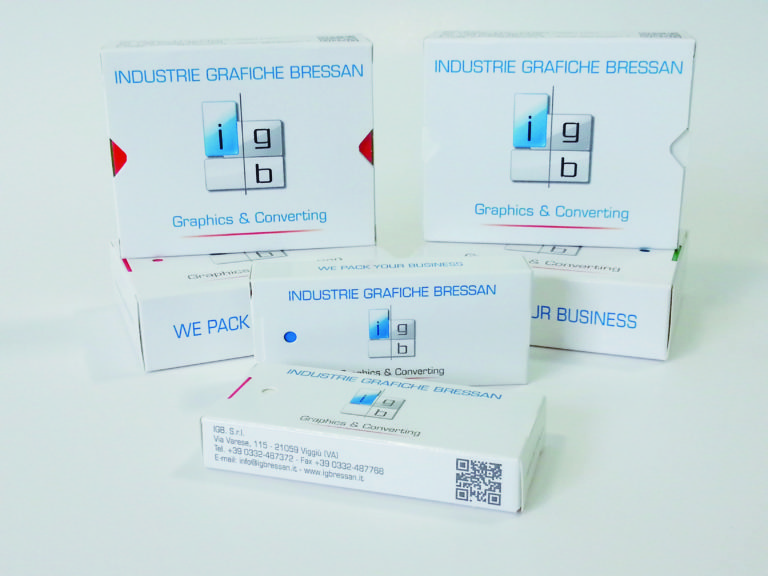
First of all, it does not affect the production lines already in place. The folding box, that is very difficult to tamper, consists of three elements: a hook, a support and a seal clasped to the support; when the product is being packed, the hook enters between the seal and the support. When the package is opened for the first time, the hook inevitably tears the seal off from its support.

The seal is thus removed from the box, clearly showing that it has been opened.

This breach can be highlighted with any colour. For instance, in the sample boxes we present at fairs, white colour shows that the package is closed, while red colour highlights it has been opened.

This system is valid also for blind people, as we have patented a sort of mechanic Braille: once the seal has been torn off, a blind person can recognize the element just by touching.

How was this new system accepted by companies?

Very well, some of them have even made themselves available for testing the product. We presented our “tamper evident” folding box at national and international exhibitions, like in Paris, where we have recently won an award for innovation.

By which means of communication do companies promote the new folding box?

First of all by the package leaflet, but also through the QR code referring to those websites that explain the functioning of the seal. One of our customers, for instance, wanted to develop a system for blind people and he put on his site audio information, so to reach them too.

In any case, an information campaign is fundamental, as for all innovative products.

Our “tamper evident” folding box represents a true innovation in this sector, as the patent application was registered in June 2014, the first trials were carried out in July and in that same period we started testing its implementation in some firms.

In September we introduced the system in all the packaging equipments on the market. Some customers adopted the system so to be sure to comply with the new Directive once it will be applied, but others adopted it just because of the innovation, independently from legal obligation.

Igb dates and numbers

In 1968 Dino Bressan founded “Grafica Viggiù” which became Igb – Industrie Grafiche Bressan (change of name) in the ’80s. Starting from the ‘90s Igb has focused on the pharmaceutical and cosmetic packaging sector. Nowadays this firm generates the 50% of its turnover in Switzerland, 45% in Italy, and the rest in other countries, also non-European nations. 80% of their products are related to the pharmaceutical sector, 15% to the cosmetic one, 5% consists of special packaging.

Their plant (on a 15 thousands square meters area) lies in Viggiù, in the Province of Varese. They employ 40 people who all contributed to realize a double-digit increase in the company turnover in these last years, and 08% increase in the last two years.

A certified company

Igb is inspired by the WCM (World Class Manufacturing) principles, has an ISO 9001:2008 certification and works according to GMP (Good Manufacturing Practice) values. In 2012 it received the FSC Chain-of-Custody certification, which means they produce paper products coming from FSC certified forests. In these forests the respect of special production methods for wood, as well as for workers, is guaranteed. In 2014 it received the OHSAS 18001 certification for Safety and Security of Workers , and the environmental ISO 14001 certification.
Italy leader in the regenerative medicine field with Holoclar

0

An Italian pride, the first advanced therapy based on stem cells approved in February throughout the European Union, born in the city of Modena. We are talking about Holoclar®, a stem cells treatment used in the eye to replace damaged cells that can restore the sight to those who have suffered of severe burns of the cornea. «Holoclar is the first product of advanced therapies based on stem cells approved and formally registered in Europe», said Andrea Chiesi, CEO of Holostem Terapie Avanzate. Holoclar is the result of twenty years of research led by a group of internationally recognized scientists in the biology field of epithelial stem cells, driven by Michele De Luca and Graziella Pellegrini who conceived all stages of the drug development; the treatment has been produced in Holostem Terapie Avanzate laboratory, a spin off of the University of Modena and Reggio Emilia (UniMoRe), at the Regenerative Medicine Centre “Stefano Ferrari” (CMR) of the University of Modena.

HOLOCLAR

The De Luca and Pellegrini’s group was born in Genova in 1988 at the Scientific Institute for Cancer, where De Luca arrived after two years in the US. In those years the knowledge about stem cells was really scarce and the scientific community itself was skeptical. But their passion and desire to achieve a real result pushed them to move forward gaining today a great achievement. With this goal, along with their valid collaborators, over the years they have tried to rebuild various epithelia of covering, such as urethra and oral mucosa, on which they are still working on. The major results arrived in the field of transplantation of corneal epithelium and Epidermolysis bullosa, better known as “Butterfly Disease”.

«It is not a coincidence that we have a first position in Europe – said De Luca. – Our great strength was the close collaboration between the public institution, that provided a scientific background and broad experience and the private enterprise that provided its expertise in the regulatory».

Towards Holoclar

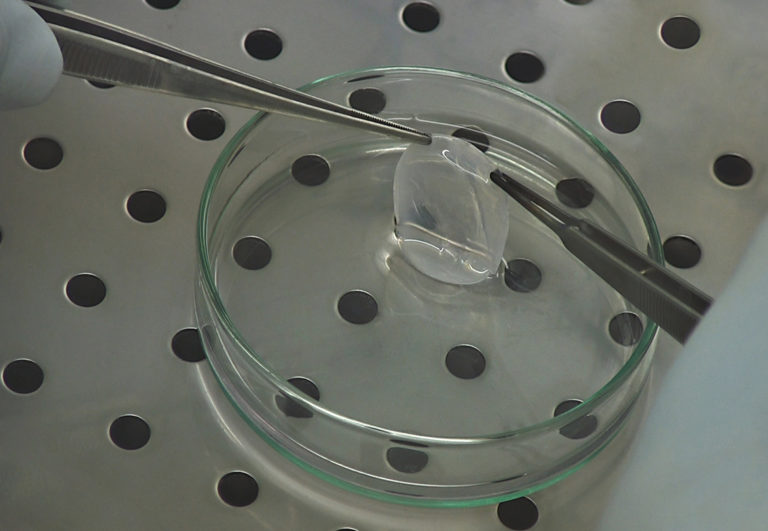
Holoclar is a type of advanced therapy product called “tissue engineered product” for advanced therapies (EC Regulation n. 1394/2007). It consists of cells taken from the patient’s limbus (at the edge of the cornea) and then grown ex vivo in a laboratory so that they can be used to repair the damaged corneal surface.

The Holoclar active ingredient is represented by limbal stem cells contained in it. In 1997, with an important publication in Lancet, the De Luca Pellegrini Group proposes a technical prototype of stem cells cultivation taken from the limbus for the cure of specific corneal injury due to burns, contact with chemicals or serious damage post-infectious which a normal transplantation does not work. In 2001 the technique becomes standardized and opens a new chapter in regenerative medicine in ophthalmology. In the first stage of the treatment, under local anesthesia that takes around 15 minutes, a small part of healthy limbal tissue (1-2 mm) is taken from the patient; then, from the tissue, in the laboratory, all proliferating cells needed to recreate a small portion of cornea are selected and, after 16-17 days it can be implanted in the individual. However, for this technique it is necessary that at least one millimeter of limbus of one of the two eyes is not damaged.

A small subpopulation of the proliferating selected cells grown on a carpet of fibrin, defined holoclones, is the one that will enable the renewal the corneal epithelium for all stages of life. The great potential of this technique soon spread out and has been supported by several studies including, in 2013, a multicenter research trial. Since 2008, the research continued in the GMP laboratories, a Holostem spin off.

«The introduction of European Regulation 1394/2007 – explains Chiesi – made the products for advanced therapy equal to more traditional drugs and it laid the foundations for the creation of Holostem Terapie Avanzate Ltd: also the De Luca and Pellegrini products are subject to pharmaceutical legislation and regulatory evaluation of the European Medicines Agency. In this sense the spin off is a great vehicle instrumental grouping within itself all the necessary elements: the technical- scientific know-how of the researchers, the Unimore Pharmaceutical Lab and the regulatory and pharmaceutical competence of the Chiesi Group. The presence of various skills within it, allowed Holostem to carry out the appropriate studies to obtain the registration of Holoclar and, in order to retrieve clinical expertise occurred before the promulgation of the European Regulation, and along with the Chiesi departments – who financially supported the entire operation – it assemble the registration file according to pharmaceutical standards, and allowed to deposit it at the EMA and finally to obtain the registration of Holoclar in Europe.

A similar procedure will be put in place for future products that Holostem intends to develop in other rare diseases, always derived from the experience of the researchers De Luca and Pellegrini».

The future, epidermolysis bullosa

In 1994 the research group comes across another challenge: isolating stem cells of epithelial covering of patients with genetic diseases, replacing the deficient gene with genetic therapy, and from these modified cells create flaps of skin to be implanted. The aim of the challenge was initially against a serious skin genetic disease known as junctional epidermolysis bullosa, in which there is a mutation on one of the three chains that form the laminin 5. After a hard work for the creation of a retroviral vector, that has all the eligibility requirements as well as an efficiency of infection close to 100% and to achieve a protocol that can also provide the care of patients skin infections, the team was able in 2006 to carry out the first operation in the world.

«This work, which is followed by another one in 2012 – said De Luca, – is extremely important and lays the foundation for the development of this additional branch of cell and gene therapy, just as it was with the first publication in Lancet regarding Holoclar. Then, the team developed a gene therapy protocols also for epidermolysis bullosa forms with mutation of the collagen 7 and 17 and eighteen months ago, EMA recognized these two products, together with the one for the epidermolysis bullosa form linked to the mutation of laminin 5, orphan drugs. Another important step that follows the footsteps of the development of Holoclar», adds De Luca.

«The next stage – says Pellegrini – Is the connection with other European centres to spread the therapy (e.g. the one in Salzburg)».


THE HOLOSTEM PHILOSOPHY

The main objective of Holostem Terapie Avanzate is to promote the Regenerative Medicine based on the use of epithelial stem cells for patients with no other therapeutic options. University spin-off founded in 2008, Holostem Terapie Avanzate is the first biotechnology company in the world solely dedicated to the development, production, registration and distribution of advanced therapy products based on the culture of epithelial stem cells for cell and gene therapy. For this reason, the company invested 16.5 million Euros in R&D from 2008 to 2014 and developed a 2000 square meters GMP Lab with 17 rooms fully equipped and independent class BL2 entirely dedicated to the cell culture, quality control and preparation of culture environment and reagents. 26 employees and as many consultants are currently working in Holostem (3 employees undergraduates, 17 graduates, 6 PhDs).


THE PROCESS

The sample for the biopsy and the subsequent Holoclar transplant will occur in clinical centres identified and appropriately trained by Chiesi throughout Europe. Biopsy is the first step: the sample goes to Modena, where the courier delivers it to Holostem / Chiesi within 24 hours. At this point begins the development process of Holoclar that takes a few weeks. Depending on patient condition, it is then detected the transplant date and Holostem /Chiesi is able to deliver Holoclar within 36 hours. Part of the tissue is cryopreserved and can be used for a possible second transplant.


A SUCCESS STORY

‘80s

Michele De Luca began working in the American laboratory of Howard Green, the founding father of regenerative medicine where he learned to cultivate epidermic stem cells: afterwards he exports in Europe all this knowledge, working at the National Institute for Cancer Research in Genova (Ranieri Cancedda laboratory), where he met Graziella Pellegrini. From this moment began a scientific partnership that leads them to deepen the study of biology and molecular mechanisms of stem cells of many epithelial covering.

‘90s

Graziella Pellegrini and Michael De Luca were passionate about the study of ocular surface stem cells, identifying and characterizing the stem cells of corneal and conjunctival epithelium as well as identifying the main markers of stem cells limbo-corneal and defining the molecular mechanisms that regulate the self-renewal, proliferation and differentiation. Among other things, the two researchers identify a transcription factor (p63) the molecular marker that will underlie the development of Holoclar and define the parameters essential to its clinical efficacy.

1997

It was published on Lancet the study, in collaboration with Carlo Traverso, that presents data from the first experimental protocol for the clinical application of limbo-corneal stem cells never proposed and here applied successfully on two patients with burns and corneal limbal stem deficit. It starts the fundamental partnership with Stefano Bonini, Alessandro Lambiase and, above all, Paolo Rama who develops the clinical protocol that, together with the knowledge of the biology limbal stem cell in the meantime, further developed by Pellegrini and De Luca, it will be the base element for Holoclar.

2001

The data of 18 patients treated with stem cells limbo-corneal and the new Protocol are published on Transplantation. It is the most convincing proof of the efficacy of the therapeutic principle of the method. From now on, hundreds of patients are treated according to the new protocol.

2007

European Regulation 1394/2007 sets out the quality requirements to be adopted for cell cultures used for medical purposes. In Modena the construction of the Centre for Regenerative Medicine “Stefano Ferrari” is ready; here De Luca and Pellegrini will work together.

2008

On 23 June 2008 Holostem Terapie Avanzate was born. Created as a spin-off of the University of Modena and Reggio Emilia with Chiesi Farmaceutici, it represents today the biotech reality in the forefront at international level. In November, the therapy obtains the Orphan Drug designation.

2010

Thanks to Holostem Terapie Avanzate, The Centre for Regenerative Medicine “Stefano Ferrari” obtains the certification of Good Manufacturing Practice (GMP) by AIFA. In the New England Journal of Medicine the results of 112 patients treated throughout the course of more than 10 years: the sight has been restored and maintained in 76.6% of cases.

2013

The technology receives its final scientific consecration in a multicenter clinical trial that involve dozens of Italian ophthalmologists published on Regenerative Medicine.

2015

Holoclar obtains the registration and marketing authorization by the European Commission.

Traceability and safety are the final target

The EU Directive 2011/62/EU on falsified medicinal products will be finally fully enforced by the approval, expected by the end of 2015, of the Delegated Act that will set the characteristics of the unique identifier that shall be placed on each outer packaging to trace the entire life-span of the product, from production to dispensing. The time frame for the practical implementation of the new safety measures won’t be the same for all European countries: three years is the standard period to reach compliance, but countries such as Italy, where a traceability system is already in place, will have six years time to adapt their manufacturing facilities to the new rules. Nevertheless, the three years period will apply also, for example, to Italian companies exporting their production in other EU countries.

Scanning Qr code with mobile smart phone

Some points are still open

A public consultation of stakeholders was launched in November 2011 (Concept paper Sanco.ddg1.d.3(2011)1342823 dated 18/11/2011) to collect the different opinions to be used as the base to reach the final layout of the new traceability system. Some critical points are still under discussion as, for example, the final definition of the two lists of medicinal products or product categories which, in the case of prescription medicines shall not bear the safety features, and in the case of non-prescription medicines shall bear the safety unique 2D datamatrix identifier.

«Some prescription medicines will be exempted, because they have a low risk of counterfeiting. Some over-the-counter products, on the other hand, might present an high risk, thus they shall bear the safety features. The two list are not finalised yet, as a gap is still present between the positions of the Authorities and that of the pharmaceutical industry», tell Beppe Mazzocchi, member of the EFPIA’s Coding and serialization senior oversight group and Quality manager at Merck Sharp & Dohme Italia. Pharma companies would appreciate the possibility to voluntary apply the unique identifier on the outer packaging of all medicinal products, while the current position of the legislator favour the complete adherence to the two lists, without any possibility of voluntary choice. «It’s a complex discussion. A further point to be taken into account is that a medicinal product does not have necessarily the same regulatory status in all Member States: this would create a hybrid state, the drug would be somewhere under prescription and somewhere not», says the expert.

A very strict dialogue

The EU Commission and the stakeholders involved in the setting up of the new traceability system have a long track of dialogue, started already with the adoption of Directive 2011/62/EU establishing that all the costs for the management of such a system will be entirely covered by the owners of the marketing authorisations for products. «The Directive – explains Mazzocchi – says that marketing authorisations’ owners shall be the sole responsible for the development of a system satisfying the requirements set forth by the Directive itself».

The European federation of pharmaceutical industries and associations (EFPIA) started working on the issue well before 2011; meanwhile, other associations representing the different stakeholders involved into the process joined the effort, i.e. the European Generic and Biosimilar Medicines Association (EGA), the European Association of Pharmaceutical Full-line Wholesalers (GIRP), the Pharmaceutical Group of the European Union (PGEU) and the European Association of Euro-Pharmaceutical Companies (EAEPC). The final result of this collaboration has been the creation of the no-profit European medicines verification organization (EMVO). Beppe Mazzocchi took part to this preliminary effort as member of the EFPIA’s working group and now tells Pharma World: «The collaboration at the European level has been very good. We are now facing the next challenge: this type of collaboration must now be transposed at the national level in each of the Member States. Each country should build a coalition similar to EMVO among all players of the supply chain, a National medicines verification organization (NMVO). This new entity should be the responsible for the development and management of national databases, something to be done in coordination with the national authorities. EMVO will support this sort of action». The current situation varies a lot among different countries: a pilot project is already in place in Germany; Sweden, Norway and Austria plan to activate the databases and national governance at the beginning of 2016, while others are still at a preliminary stage of discussion.

An end-to-end system

The Delegated Act should formally confirm the choice of the end-to-end model system for serialisation and traceability. This choice will distinguish Europe from other geographical areas where the track-and-trace model is used instead.

The end-to-end model is very simple to handle, as just two movements of data occur: the first one at the beginning of the product’s life span, when the manufacturer insert the data relative to the unique and randomised identifier numbers into the EMVS system. The second check occurs just before the pharmacist deliver the product to the patient. «A standard situation do not requires intermediate verification, something that is needed under exceptional conditions, i.e. withdrawal of the product from the market», further explains Mazzocchi.

The track-and-trace systems are more complex and generate bigger quantities of data, as they trace all single in-and-out movements of the product along to supply chain, from manufacturing to distributors, to wholesalers up to the pharmacy. «They allow a more detailed view of the movements along the supply chain, but at the European level the opinion is that the benefit for the patient would not be higher compared to the final verification before dispensing the product», comments Beppe Mazzocchi.

An action against counterfeiting

According to the Italian Medicine’s Agency (AIFA), falsified medicines account for approx. 7% of global pharma market, and may reach up to 50% in some Asiatic and African countries. The Falsified Medicines Directive and the introduction of the unique identifier as a safety feature on each outer packaging aim to reduce the phenomenon. Counterfeiting involves both expensive medicinal products as well as cheaper ones whose marketing volumes are very high. «The introduction of the new traceability system may represent an opportunity for the pharmaceutical industry as for knowledge and control of the supply chain – says Mazzocchi. – The database will allow to know, for each package unit, if it has been already dispensed, something useful to better manage stocks and withdrawals from the market».

Parallel sales are also often associated with counterfeiting, a critical point difficult to handle especially with reference to use of the Internet as a market space. «It is important to make a difference: parallel trading is something possible and legal, and the European Association of parallel traders is a member of EMVO. The new system defines the way parallel traders should use to remove from the packaging the original serial number applied by the manufacturer and to stick the new unique identifier specific to the trader, before the product could enter the market. The system can also manage the transborder sales towards foreign markets. Different is the case of illegal sales, where stolen medicinal products might be sold through non-official channels. In such a case, the system blocks the serial numbers of the stolen products, so that it is possible to check if it has reached the patient through a legal or illegal chain», says EFPIA’s working group representative.

Updating packaging facilities

The new official standard for serialisation should be the 2D datamatrix and labels should be applied to all external packaging. The need to update already existing packaging plants is something that should be considered in time, as it requires a careful evaluation of the expected impact on operations and the consequent planning of corrective actions. «If a production line is already equipped in order to satisfy requirements of the French CIP2D system it should be almost ready from the technological point of view. There is just need to add the software needed to manage serialisation, from the generation of random serial numbers up to their positioning on the packaging, local filing of data and their transmission to National and European databases – tells Beppe Mazzocchi. – If the packaging line is not equipped already with a 2D technology, the required change would be more massive. Manufacturers should carefully plan the investments in terms of time and resources needed».

The German pilot project

The “securPharm” project started already in 2012, when Germany put in place a first national database. German pharmacies had the opportunity to join the project and to check in real time the authenticity of the medicinal products before dispensing them to the patients.

The European Hub system has also been activated, and its connection with the German system is on going. The new interface will allow for the managing of the information flow, starting from the insertion of initial data into the European Hub by manufactures up to final checking through the National System by the pharmacists. As being responsible for Quality at the Merck’s manufacturing plant in Pavia (Italy), Beppe Mazzocchi took active part in the secuPharm project, the plant exporting is production to Germany. «The project has been very useful, we had the opportunity to understand greatly in advance the requirements of information systems and of packaging lines. We understood how to interface with the external database and transfer the data, which are then used by German pharmacists. We understood also the common issues that might arise», comments Mazzocchi.

We just need to wait the final publication of the Delegated Act and the adoption of the EMVS system across Europe to better check its real impact on the management of the supply chain.


The EMVS system

The European medicines verification system (EMVS) system has been developed by EMVO on a no-profit basis in order to guarantee the availability of robust characteristics as for costs, efficacy and safety in the management of serialisation of medicinal products. Supply chain’s stakeholders directly manage the system, while regulatory authorities maintain a right to access and supervise it.

The EMVS system is made up of the European Hub, the central database that represent the core of the system and that is connected to the National Systems, the local databases registering exit transitions in each European country. The product’s manufacturer insert initial data into the European Hub; final checking occurs through the National Systems before the product is delivered to the patient.

The 2D datamatrix code applied to the outer packaging shall contain information about the unique identification number, the batch number, the expiration date, the unique and randomised serial number.

A question of taste

Medicines are often associated in the imaginary with something disgusting, characterised by a strong bitter taste. This is especially true for young children, so often running away from the mom with the spoon full the “unbearable” medicine. Taste is something that modifies gradually as years pass by, and adults are much more tolerant to bitter tasting medicines that younger people.

A bitter taste is an intrinsic characteristic of many pharmaceutical active ingredients, and it’s masking is often a challenge for pharmaceutical development, especially for medicines intended for the paediatric use. The mandatory filing of the Paediatric investigation plan calls pharma industry to a deeper attention towards tailored studies to develop dedicated formulations. These are rarely unique, as different paediatric age groups may require a different formulation approach. A recent workshop held at the School of Pharmacy of the University of Milan has been the occasion to better discuss the issues related to taste masking for paediatric dosage forms.

A fine balance to tune

The acceptance of the treatment by young people is often greatly influenced by factors as palatability and taste of the formulation. «Children are demanding patients. The so-called mouthfeel, the appearance the product has inside the mouth, the volume it occupies, the chemical interaction with receptors on the tongue, the impact of API’s taste and odour are all factors to be taken into consideration during formulation development. The more recent theories on taste suggest that the tongue is not characterised by the five specialised flavour areas, as believed up to now. Instead, there are pluripotent receptors equally distributed all over its surface», tells Paolo Gatti, Research Fellow at Adare Pharmaceuticals.

Physical interaction and texture within the mouth, in the same manner it occurs with food, is fundamental to determine the pleasantness of the formulation. The reprocessing of taste is one of the main challenges to face, as Gatti further explains: «Psychobiology tells us that chemical information is reprocessed according to dietary habits, age, disease. Children, for example, seem to be more susceptible to the bitter taste than adults do, and they greatly prefer sweet tastes».

Predictive tests are difficult

Paediatric drug development cannot use taste’s acceptance panel tests as a predictive tool, as done instead for the adult age. A possibility to overcome this difficulty is to run panel tests with adults having a taste perception very similar to those of children, as for example are sommelliers.

The bullfrog is an animal model used for in vivo tests, being characterised by a single nerve connecting the tongue with the brain. «The nerve may be used to send a signal to a detector of electric potential, so to gain a rough idea of the efficacy of taste masking. Mice often have different reactions to unpleasant tastes than men do, thus this model may results difficult to understand», adds Paolo Gatti.

Biosensors simulating taste buds are also available, i.e. in the “electronic tongue”. These methods, up to now, are only able to say if the analysed taste is different from the reference one, but they cannot establish if it is more or less pleasant-tasting.

How to set up the formulation

«A way often used to make the taste more pleasant consists in limiting the salivary product’s solubility – tells Gatti.- In this way, the number of molecules of the substance able to stimulate tongue’s receptors becomes lower. It is not always possible or convenient to abolish the solubility of the drug, thus the addition of sweeteners, flavours or enhancers is used. Citric acid, for example, stimulates the production of saliva, thus it may encourage the consumption of the medicine».

Dissolution tests and the release profile of the active ingredient are important data to be acquired, for example, to decide whether it would be convenient to use a filming agent to prevent contact with the tongue or if the development of a gastric or intestinal release formulation is needed for biopharmaceutical reasons. «Taste-related issues are often not taken into consideration while determining the profile of a lead candidate, and chemical-physical characteristics and therapeutic efficacy are the only features evaluated. The Paediatric investigation plan should include also studies to collect missing data», Gatti further highlights.

Children have very variable behaviours with respect to taste acceptance: the more recent trends in formulation development, especially in the U.S., are using paediatric dosage kits consisting of up to thirty different flavours among which the single patient can choose its favourite one to be added to the medicine. «This approach presents strict regulatory and safety requirements», adds Gatti.

The viscosity of the liquid dosage forms could also be modified, as its increasing often corresponds to an improved mouthfeel and to a decreased perception of unpleasant tastes. Pro-drugs which are less soluble than the free active ingredient, i.e. esters, may also be used. «This represent an extreme resource, because the pro-drug is a true new chemical entity, thus requiring additional tests», says Gatti.

Another possibility for taste masking, valid especially for liquid dosage forms, is the formation of inclusion complexes with cyclodextrins or the binding with ion exchange resins. Amylose or maltodextrins are food ingredients having a well-characterised safety profile that can be used to avoid cyclodextrins, an excipient those regulatory profile is not often so easy to handle.

Multiple emulsions (water/oil/water or oil/water/oil) allow in order to create a physical protective barrier that isolates the active ingredient, thus limiting its release at contact with the saliva and its interaction with the tasting receptors. A solid dispersion of the active ingredient within a polymer may give less efficient results in taste masking because the drug is also present at the surface of the homogeneous dispersion.

Classical film coating techniques or microencapsulation may also be useful solutions. Gatti further adds: «Because of the complexity of taste masking, niche methods might result to be the more efficient ones».

Other factors to be considered

The development of formulations for paediatric use needs also to pay attention to the compliance of adults, as being responsible for the administration of the drug to children. «The Reflection Paper published by the European Medicines Agency reports data on acceptability of the different pharmaceutical dosage forms across the different paediatric ages (Table 1) – tells Giuseppe Colombo, manager of Pharmaceutical Technology at Italfarmaco. – Up to two years of age, for example, solid dosage forms are highly discouraged, while it possible to use liquid dosage forms immediately after birth. These last ones represent a sort of “Saint Graal”, as they allow a great flexibility of dosage».

The availability and costs of the active ingredient may also be of obstacle while developing the formulation, especially if, as for paediatric medicines, it is necessary to develop several pharmaceutical forms and multiple dosages in order to cover the entire paediatric population. A suspension of an insoluble active ingredient allows, for example, obtaining great dose flexibility while acting also on taste masking. «A 1% suspension, for example, can allow for the administration of dosages in the range from 5 mg (0,5 mL) up to 100 mg (10 mL): the packaging is the same, only the size of the syringe used to extract the drug changes», further explains Colombo.

This type of approach allows also for a simplification of the pharmaceutical development studies needed in order to obtain regulatory approval, with fewer batches and stability assays to be performed. Several examples of combined packaging/syringe for oral used are already on the market, permitting a correct dosage of the medicinal product while ensuring the safety of use by the adult administering it.

The development of a suspension dosage form may present some difficulty, as for example the need to demonstrate dosage uniformity, to obtain a good palatability and to use excipients such as sweeteners, preservative agents or surfactants, which should be avoided in the paediatric age as they may present metabolic and absorption profiles different from those of the adults. «Mini-tablets, having a diameter of less than 4 mm, are acceptable starting from 4-5 years of age. Parenteral administration, on the other hand, is compulsory for pre-term new borns, infants and children with severe pathologies. For this last instance, often formulations are the same as for the adult population, but administered volumes are smaller and a great attention must be paid, as dilution of adult’s dosage forms might cause errors or problems», concludes Giuseppe Colombo.


The Paediatric Investigation Plan

The European Paediatric Regulation requires that pharmaceutical companies submit proposals for Paediatric investigation plans (PIPs) to the European Medicines Agency’s Paediatric Committee (PDCO). PIPs should be submitted to the Agency as early as possible; usually they are submitted in parallel with the planning of phase 2 studies in the adult. The new regulation aims to increase studies in children to support the authorisation of a medicine for this population of patients. The Committee is responsible for agreeing or refusing the plan. PIPs include a description of the studies and of the measures to adapt the medicine’s formulation to make its use more acceptable in children, throughout all age groups from birth to adolescence. The Regulation specifies cases when the paediatric development plan can be modified at a later stage or studies can be deferred until after the studies in adults have been conducted.

source: EMA


Table 1. Paediatric age preferred oral dosage forms

  New born

(0-4 weeks)

Infants and toddlers

(1 m – 2 y)

Child pre-school

(2 – 5 y)

Child school

(6 – 11 y)

Adolescent

(12 – 18 y)

Drops ++++ +++++ +++++ +++ ++
Liquid ++ ++++++ +++++ +++ ++
Fast dispersing tablets + ++++ ++++ +++++ +++++
Multiparticulate (included minitablet) ++ ++ ++++ ++++ +++++
Tablet (> 3 mm) Not applicable + +++ ++++ +++++
Chewable tablet Not applicable + +++ +++++ +++++

source: P. Gatti, adapted from T. Nunn, EMA Workshop on paediatric formulations, Novembre 2011

Clinical trials. Which patients do we include?

Clinical studies are based on a sample population that must be able to represent as truthfully as possible the response of the population at large. The characteristics of a sample will never be perfectly identical to those of the population, so it is essential that the sample is carefully chosen and is actually representative of the population. It is known that different races and ethnic groups respond differently to certain drugs and develop diseases with variable frequencies. Asthma and cancer are two examples. So clinical trials have to include patients of all ethnic groups, proportionally to the frequency of the disease manifestation. Unfortunately, this still happens too few. In addition, the target population choose may influence the success completion of a study and so the fate of a molecule. Historically, novel agents have been introduced in patients with advance disease states; if trials were positive, approval was sought, while subsequent studies defined the role of the drug in less severe or earliest forms of the disease. Recently, this approach is changed.

Ethnic minorities

The NIH Revitalization Act in 1993 had established that the NIH-funded research should include ethnic minorities. Esteban G. Burchard, professor of therapeutic science and bioengineering at the University of San Francisco said that: «However, twenty-two years later, the proportion of racial/ethnic minorities participating in clinical trials is persistently low and still the exception, not the rule». Less than 2% of cancer clinical trials had as main focus the racial and ethnic minorities, as reported in a study conducted by researchers at Davis Comprehensive Cancer Center in California. The study analyzed 10,000 clinical trials sponsored by the National Cancer Institute in January 2013 and it revealed that less than 150 of these had as keywords “racial/ethnic minorities”. This does not mean that other studies may have considered the matter, but not as a main focus. «In other words – says the first author of the paper Moon S. Chen, associate director of the UC Davis Cancer Center – 98% were trials that focused on cancer type rather than trials in which the driving force was to assure appropriate and adequate representation of one or more minorities. The attention that has been placed over the years on gender differences must now be translated at this other field». The study also analyzed the proportion of minority pediatric patients enrolled in cancer clinical trials. In this case the children belonging to ethnic minorities are well represented in clinical trials with very encouraging data of nearly 60%. «The record participation of different population in these studies indicate that comparable records is achievable also in clinical trials for adults», said Chen.

Multiethnic studies and research

«Clinical trials conducted in different populations can help scientific research understand the biological basis of disease, and why a drug produce a higher response rate and higher toxicity in one group that in another» said Karen Kelly hematologist and Director associated with the UC Davis Cancer Center. An example is the treatment of lung cancer and the role of gefitinib, an epidermal growth factor receptor (EGFR) tyrosine kinase inhibitor. The molecular characterization of tumors from patients who receive treatment revealed that in tumors harboring EGFR mutations treatment with gefitinib is very effective and that the Asian population has a frequency of EGFR-mutant tumors much higher than other ethnic groups (in one of the various studies, the frequency in Japanese patients was 26% vs 1.6% in the US). These data suggest that ethnic and geographic differences play a role in cancer pathogenesis, emphasizing the importance of multiracial clinical trials. This observation led to the development of the IRESSA Pan-Asia Study trial, which demonstrated the benefit of gefitinib over that of standard doublet chemotherapy for patients with advanced lung cancers harboring EGFR mutation. Data from this study have revolutionized the disease management worldwide.

Moreover, the research area is strongly influenced by pharmacogenomics. One example concerns the pharmacogenetics of irinotecan, a drug for colon cancer, which showed also toxic effects. It has been shown that polymorphism in the promoter region of uridine diphosphate glucuronosyltransferase 1 family, polypeptide A128 (UGT1A1* 28) influence risk of developing grade 4 neutropenia after irinotecan therapy. The frequency of this mutation is higher in Caucasians (12%) compared to the Japanese (3%). Another fact to be considered is the frequency of diseases in different ethnic groups. It is estimated that the incidence of cancer will increase by 99% in the minority compared to 45% estimated for the population at large between 2010 and 2030. Information is less clear however when it comes from drugs because studies in this regard are still very scarce. According to Burchard: «Including diverse populations in biomedical and clinical research is a must, ethically and scientifically. The facilities that are dedicated to the research should be adapted for this purpose».

Barriers to overcome

«Many barriers keep studies that could characterize such disparities from being proposed, funded, carried out and published» said Burchard. First you need to create a network of doctors who have experience in managing and approaching different communities and coordinators who have knowledge of the languages. Also publishing results focused on ethnic differences is complicated. «Most of high impact journals require that an association is found in samples from two independent studies. This demand is straightforward in European populations, because many banked samples exist, but much harder to meet for other group», said Burchard, which goes further to suggest that instead: «Grant applications should be regarded more favorably. Proposal must be encouraged and investors should create partnerships with physicians and with representatives of minorities. Finally it should be encouraged the recruitment of doctors and researchers from ethnic minorities that may sensitize the whole sector on the topic».

Which patient should come first?

Defining the population to be studied is a key step, from which it can depend the successful completion of a study and so the fate of a molecule. Historically, new molecules were introduced in studies with patients with advanced disease stages and only subsequently it was defined the role of the drug in less severe disease forms or in important subgroups as well as chemoprevention. However, recent studies in cardiovascular medicine and oncology have questioned this approach: many new drugs now seek to establish the safety and efficacy in early disease settings. Changing the initial target population raises questions about what is the optimal protocol: in the shift to earlier stages of the disease better for patients? This recent trend has a biological rationale or comes from the desire of the sponsors to gain a greater market share? Should regulators require proof that a treatment works in advanced stages? Muthiah Vaduganathan of Harvard Medical School and Vinay Prasad of Johns Hopkins University tried to answer these questions through the columns of the prestigious journal JAMA. «In general, patients with advanced disease states have the higher risk of poor outcomes such as death or relapse, despite receiving available therapies», said Vaduganathan and Prasad. «In this high-risk population it is more likely to experience events of interest, diminishing the effects of competing risks». For example, in patients with NYHA class IV heart failure, cardiovascular factors are a leading cause of death, while other concurrent causes play a larger role in milder disease. Therefore, focusing on high-risk patients can increase the power of the study, allowing a faster ending of the protocols. «Reducing the time between the discovery of new drugs and their use in clinical practice is a clear advantage and a stated goal in drug development. Traditional programs follow a biologically consistent approach to validating drug targets. In heart failure, continue Vaduganathan and Prasad, increased neurohormonal activation in patients with NYHA class III and IV heart failure makes these patients an attractive target for the initial evaluation of new therapies».

Studies on large populations

What about the broad inclusion criteria? According Vaduganathan and Prasad: «Theoretically studies should acquire a wide range of profiles of patients. However, despite the best intentions, some groups may be underrepresented. “Sicker” patients may be more “challenging” to enroll, because they present more frequently concomitant diseases. It is not known if these complex patients with advanced illness would experience the same adverse effects as those with milder disease». In a study of neprilysin inhibitors in heart failure, low systolic blood pressure, which is typically more common symptoms in patients with NYHA class III and IV, was a major determinant of frequency of adverse events, including hypotension and renal insufficiency. Thus, even if these large studies support the safety of drugs in a general population of patients with heart failure, they fail to provide useful information on security in those most vulnerable. «From a pragmatic point of view, continue the authors, the programs of drug development conducted in large populations are less able to prioritize patients that should start treatment earlier. If provided regardless of risk, expensive new first-in-class molecule can overwhelm health budgets. In the current financial environment, emerging clinical trials should consider selecting the groups at higher risk to guide a cost-effective and practical approach to the use of medication».

Ultimately, new drugs that reach the market are to be tested in groups which reflect closely the population of the real world in general and important high-risk subgroups. The recent changes in the protocol of the FDA require developers to increase the inclusion in studies of patients with severe multiple co-morbidities. «If the current trend continues – say Vaduganathan and Prasad – measures must be taken to ensure that the studies provide information on safety and effectiveness in the sickest patients. In addition to a comprehensive analysis of power, recruitment targets should be established for important high risk subgroups. Similarly, before stopping a trial early secondary to the benefit of a drug, a sufficient number of patients with advanced disease should be exposed to the drug. Robust programs are required to provide adequate safety data to justify exposure of patients with early-stage disease to the study drug».

References

Chen MS Jr, Lara PN, Dang JH, Paterniti DA, Kelly K. Twenty years post-NIH Revitalization Act: enhancing minority participation in clinical trials (EMPACT): laying the groundwork for improving minority clinical trial accrual: renewing the case for enhancing minority participation in cancer clinical trials. Cancer. 1 April 2014; 120 Suppl 7: 1091-6.

Burchard EG. Medical research: Missing patients. Nature. 2014 Sep 18; 513 (7518): 301-2.

Vaduganathan M, Prasad V. Modern drug development: which patients Should come first? JAMA. 2014 Dec 24-31; 312 (24): 2619-20.

Lamivudine and raltegravir together to treat HIV

The European Commission granted a marketing authorisation valid throughout the European Union for Dutrebis on 26 March 2015. Dutrebis contains the active substances lamivudine and raltegravir and is only for use in patients whose infection is not resistant to these medicines or certain related antiviral medicines.

The active substances in Dutrebis are already available in the European Union (EU) as single-component medicines: lamivudine as Epivir since 1996, and raltegravir as Isentress since 2007.The drug is used to treat patients infected with human immunodeficiency virus type 1 (HIV-1). It is used together with other HIV medicines and can be used in patients from 6 years of age and weighing at least 30 kg.

Dutrebis is available as tablets containing 150 mg of lamivudine and 300 mg of raltegravir, and the recommended dose is one tablet twice a day. Dutrebis must be used in combination with other HIV medicines. The two active substances in Dutrebis act by blocking different stages of the process by which the HIV virus replicates itself in the body. One active substance, lamivudine, is a ‘nucleoside reverse-transcriptase inhibitor’ (NRTI). It works by blocking the activity of reverse transcriptase, an enzyme needed by HIV to produce the genetic instructions for making more viruses once it has infected the cell. The other active substance, raltegravir, is an ‘integrase inhibitor’. It blocks an enzyme called integrase that is needed for the subsequent stage of virus replication. Dutrebis reduces the amount of HIV in the blood and keeps it at a low level. It does not cure HIV infection or AIDS, but it can hold off damage to the immune system and avoid the development of infections and diseases associated with AIDS.

Because lamivudine and raltegravir are already approved individually to treat HIV infection, the company presented data from the studies used to approve these medicines, including a study involving 160 patients given raltegravir with lamivudine (plus another HIV medicine, tenofovir) for a total of 240 weeks. The main measure of effectiveness was the proportion of patients with a reduction of the levels of virus in the blood (viral load) to fewer than 50 copies of HIV RNA per ml, which was 68.8%.

The company also looked at the way Dutrebis was absorbed in the body in comparison with two separate tablets containing lamivudine and raltegravir. The results of the studies showed that Dutrebis produced similar levels lamivudine in the body to lamivudine taken separately; although the levels of raltegravir were slightly different, Dutrebis was shown to produce levels of raltegravir that were similarly effective in controlling the virus. The most common side effects with lamivudine or raltegravir (which may affect up to 1 in 10 people) are headache and nausea. Other common side effects with lamivudine are malaise, tiredness, nasal signs and symptoms, diarrhoea and cough.

Pegfilgrastim against tumor side effects

The European Commission granted a marketing authorisation valid throughout the European Union for Ristempa on 13 April 2015. Ristempa contains the active substance pegfilgrastim and is used in cancer patients to help with some of the side effects of their treatment. Ristempa is used to reduce the duration of neutropenia and the occurrence of febrile neutropenia (neutropenia with fever). The drug cannot be used in patients with chronic myeloid leukaemia. It also cannot be used in patients with myelodysplastic syndromes. Ristempa is available as a solution for injection in pre-filled syringes containing 6 mg pegfilgrastim. It is given as a single 6 mg injection under the skin around 24 hours after the end of each cycle of chemotherapy. Patients can inject themselves if they have been trained appropriately. Pegfilgrastim consists of filgrastim which is very similar to a human protein called granulocyte colony stimulating factor (G‑CSF), that has been ‘pegylated’ (attached to a chemical called polyethylene glycol). Filgrastim works by stimulating the bone marrow to produce more white blood cells, increasing white blood cell counts and treating neutropenia.

Filgrastim has been available in other medicines in the European Union (EU) for a number of years. Because it is pegylated in pegfilgrastim, the rate at which the medicine is removed from the body is decreased, allowing the medicine to be given less often. Ristempa has been studied in two main studies involving 467 patients with breast cancer who were being treated with cytotoxic chemotherapy. In both studies, a single injection of Ristempa was compared with multiple daily injections of filgrastim during each of four chemotherapy cycles. The main measure of effectiveness was the duration of severe neutropenia during the first cycle of chemotherapy.

Ristempa was as effective as filgrastim in reducing the duration of severe neutropenia. In both studies, the patients had severe neutropenia for around 1.7 days during their first chemotherapy cycle, compared with around five to seven days when neither medicine is used. The most common side effects with Ristempa (seen in more than 1 in 10 patients) are bone and muscle pain, headache and nausea (feeling sick).

Talimogene laherparepvec in metastatic melanoma

Amgen announced in May the publication of primary results from the Phase 3 OPTiM study in the Journal of Clinical Oncology (JCO). The data published in JCO, which were previously presented at the Annual Meetings of the American Society of Clinical Oncology (ASCO) in 2013 and 2014, demonstrated a significantly higher durable response rate (DRR) in patients with unresected stage IIIB, IIIC or IV metastatic melanoma receiving the investigational oncolytic immunotherapy talimogene laherparepvec compared to those who received granulocyte-macrophage colony-stimulating factor (GM-CSF). Results showed that the primary endpoint of DRR was met, however the secondary endpoint of overall survival (OS) was not met, although there was a strong trend in favor of talimogene laherparepvec.

A DRR measures the number of patients who had a complete response or partial response within the first 12 months of treatment and maintained the response continuously for at least 6 months. The most frequent adverse events (AEs) observed in this study were chills, pyrexia, injection-site pain, nausea, flu-like symptoms and fatigue. The most common serious AEs included disease progression, cellulitis and pyrexia. No treatment-related deaths were observed. The OPTiM data serve as the basis of a Biologics License Application which has been accepted for review by the U.S. Food and Drug Administration (FDA), and a Marketing Authorization Application in the European Union for talimogene laherparepvec for the treatment of adults with regionally or distantly metastatic melanoma.

The FDA has set a review goal date under the Prescription Drug User Fee Act of Oct. 27, 2015. The OPTiM study was a global, randomized, open-label, Phase 3 trial designed to evaluate the safety and efficacy of talimogene laherparepvec compared to a control therapy with GM-CSF in over 400 patients with unresected stage IIIB, IIIC or IV melanoma. Patients were randomized 2:1 to receive either talimogene laherparepvec intralesionally every two weeks or GM-CSF subcutaneously for the first 14 days of each 28 day cycle. Treatment could last for up to 18 months. Where appropriate, stable or responding patients could receive additional treatment on an extension protocol. Talimogene laherparepvec is an investigational oncolytic immunotherapy designed to selectively replicate in tumors (but not normal tissue) and to initiate an immune response to target cancer cells that have metastasized.

Talimogene laherparepvec was designed to work in two important and complementary ways. First, it is injected directly into tumors where it replicates inside the tumor’s cells causing the cell to rupture and die in a process called lysis. Then, the rupture of the cancer cells can release tumor-derived antigens, along with GM-CSF, that can stimulate a system-wide immune response where white blood cells are able to seek out and target cancer that has spread throughout the body.

SARIL-RA-TARGET results on rheumatoid arthritis

Sanofi and Regeneron Pharmaceuticals have recently announced that a Phase 3 study of sarilumab, an investigational, fully-human IL6 receptor antibody, met its co-primary efficacy endpoints of a greater improvement in signs and symptoms of rheumatoid arthritis (RA) at 24 weeks, and physical function at 12 weeks compared to placebo. Sarilumab is the first fully-human monoclonal antibody directed against the IL-6 receptor (IL-6R). Sarilumab binds with high affinity to the IL-6 receptor. It blocks the binding of IL-6 to its receptor and interrupts the resultant cytokine-mediated inflammatory signaling. Sarilumab was developed using Regeneron’s VelocImmune® antibody technology. The study, called SARIL-RA-TARGET, evaluated the efficacy and safety of two subcutaneous sarilumab doses versus placebo, added to non-biologic disease modifying anti-rheumatic drugs (DMARD) therapy in RA patients who were inadequate responders to or intolerant of TNF-alpha inhibitors (TNF-IR).

The SARIL-RA-TARGET trial enrolled 546 TNF-IR patients who were randomized to one of three treatment groups self-administered subcutaneously (SC) every other week (Q2W): sarilumab 200 milligrams (mg), sarilumab 150 mg, or placebo, in addition to DMARD therapy. Both sarilumab groups showed clinically relevant and statistically significant improvements compared to the placebo group in both co-primary endpoints (p < 0.001):

  1. Improvement in signs and symptoms of RA at 24 weeks, as measured by the American College of Rheumatology (ACR20) score of 20 percent improvement, were as follows: 61 percent in the sarilumab 200 mg group; 56 percent in the sarilumab 150 mg group; and 34 percent in the placebo group, all in combination with DMARD therapy.
  2. Improvement in physical function, as measured by change from baseline in the Health Assessment Question-Disability Index (HAQ-DI) at week 12.

The most frequently reported adverse events included infections (30, 22 and 27 percent in the 200 mg, 150 mg and placebo groups respectively) and injection site reactions (8, 7, 1 percent in the 200 mg, 150 mg and placebo groups respectively). Serious infections were uncommon (1, 0.6 and 1 percent in the 200 mg, 150 mg and placebo groups respectively). Reduction in neutrophil count was the most common lab abnormality. No unexpected safety findings were observed. Two additional trials from the Phase 3 program, SARIL-RA-EASY and SARIL-RA-ASCERTAIN, also met their primary endpoints.

SARIL-RA-EASY enrolled 217 patients and was designed to evaluate the technical performance and usability of the sarilumab autoinjector device. There were no product technical failures with the auto-injector, the primary endpoint of the study. SARIL-RA-ASCERTAIN was a 202-patient safety calibrator study, designed to assess the safety of two subcutaneous doses of sarilumab and tocilizumab infusion in combination with DMARDs in patients with RA who were TNF-IR. There were no clinically meaningful differences between the treatment groups in serious adverse events and serious infections.

Acquisition deal

Valeant Pharmaceuticals International and Salix Pharmaceuticals have announced that they have entered into a definitive agreement under which Valeant will acquire all of the outstanding common stock of Salix for a total enterprise value of approximately $15.8 billion.

Salix Pharmaceuticals is a widely recognized gastrointestinal market leader with a portfolio of 22 total products, including well-known prescription brands as well as a strong near- term pipeline of innovative new assets.

The combination is expected to yield greater than $500 million in annual cost savings from the cost base of the combined company. Synergies are expected to be achieved within six months of close, primarily from reductions in corporate overhead and R&D rationalization. Valeant and Salix will determine how best to integrate the two companies to leverage the combined strengths of both while ensuring a smooth and orderly transition.


Newsstand

  • Supplement to n.5 - October 2025 NCF International n.2 - 2025
  • NCF International n.1 - 2025
  • Supplemento to n.9 - October 2024 NCF International n.3 - 2024